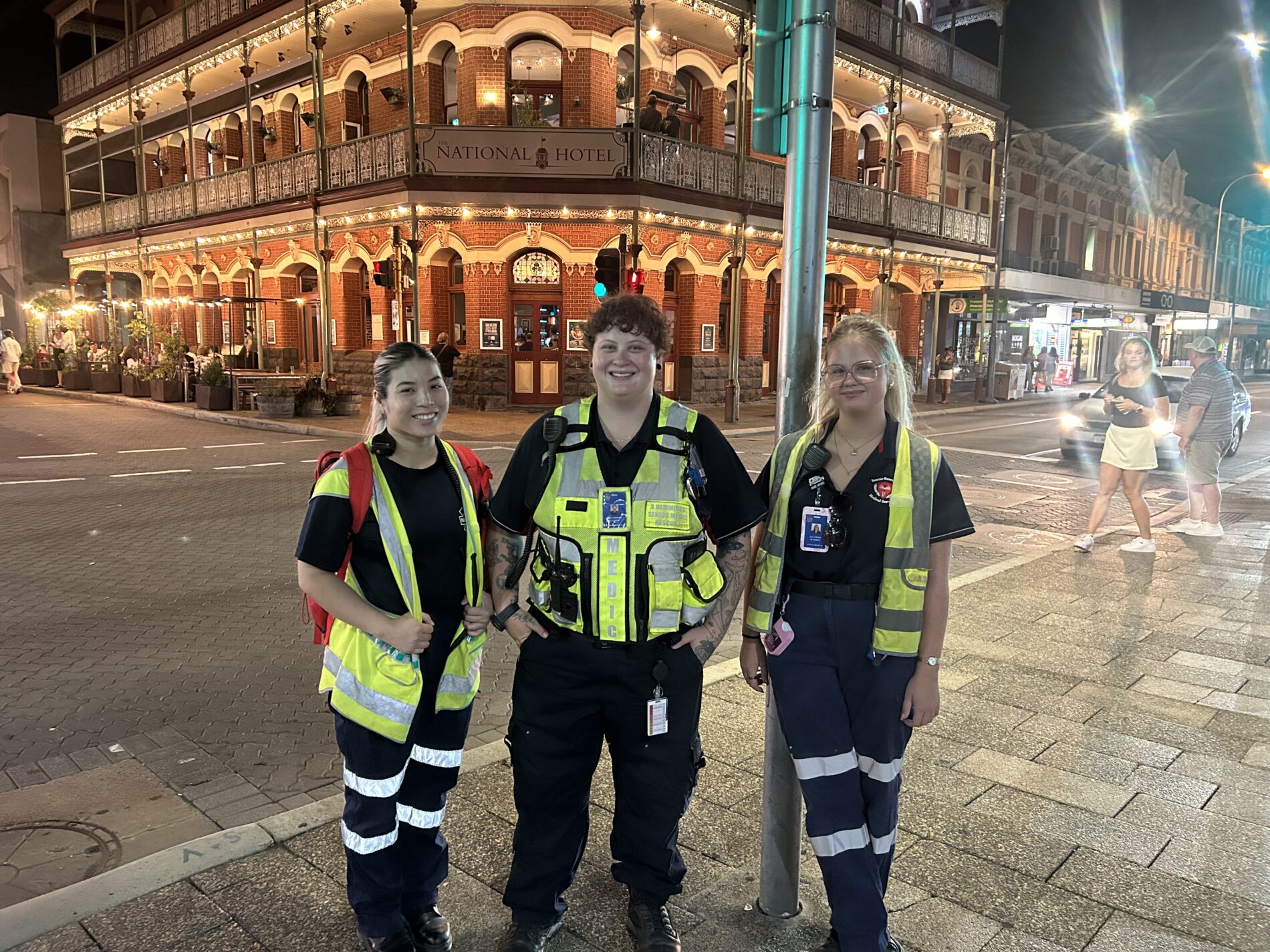
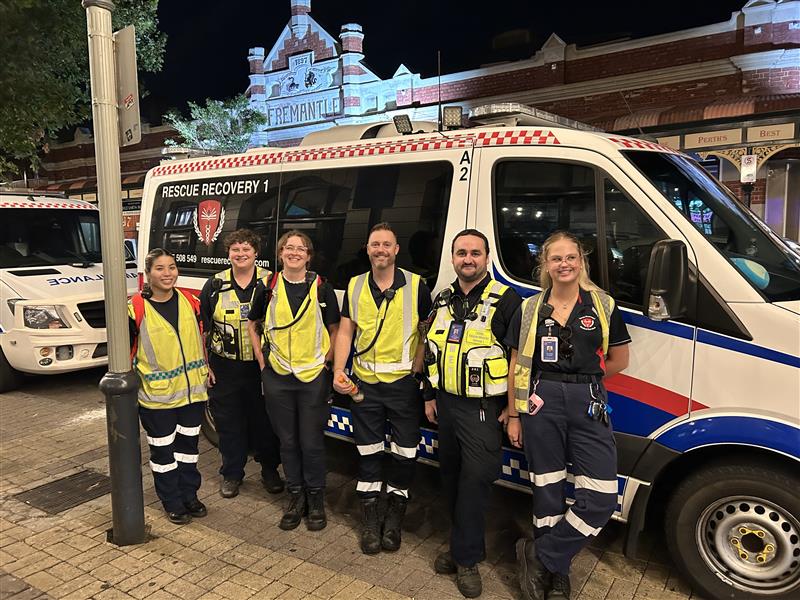
At the heart of quality emergency healthcare education is real-world experience, and that is exactly what our Western Australia students gain through our partnership with Rescue Recovery 1.
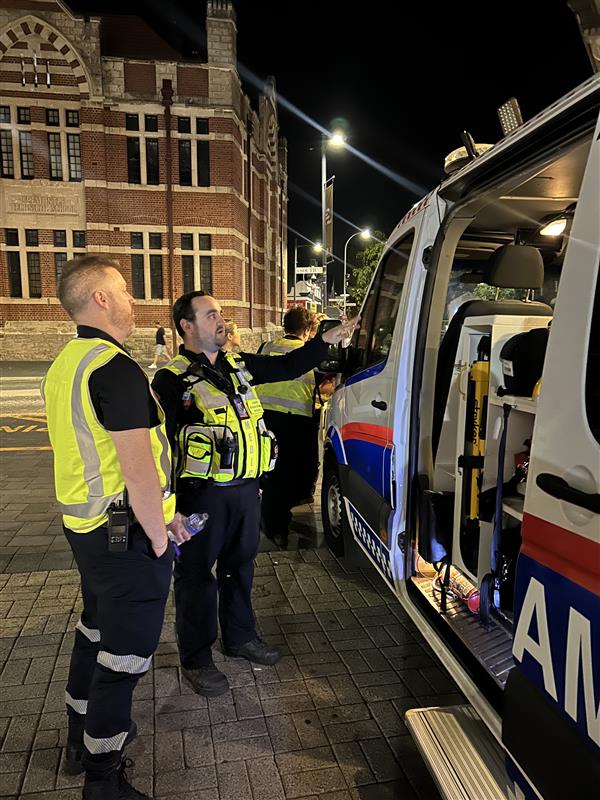
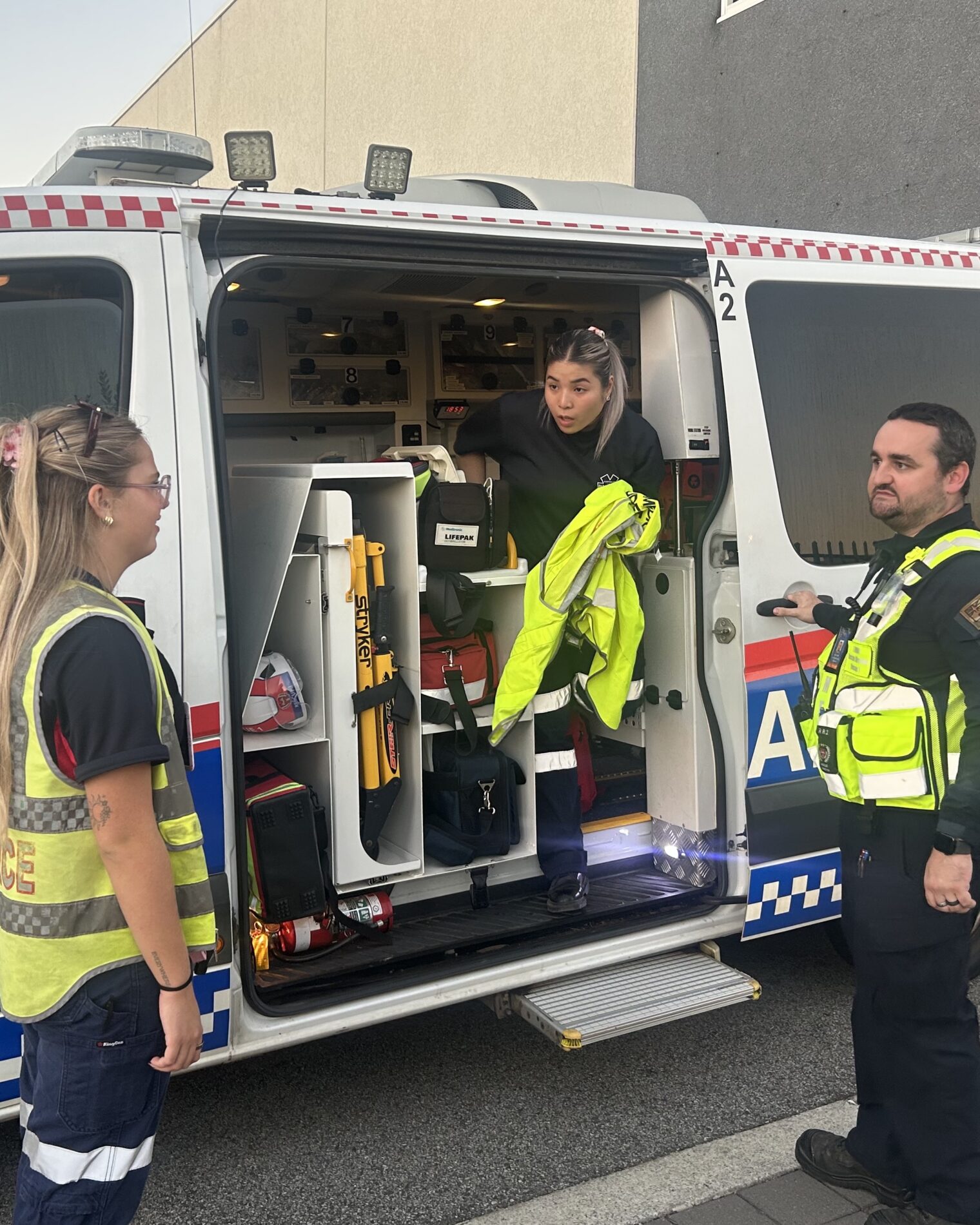
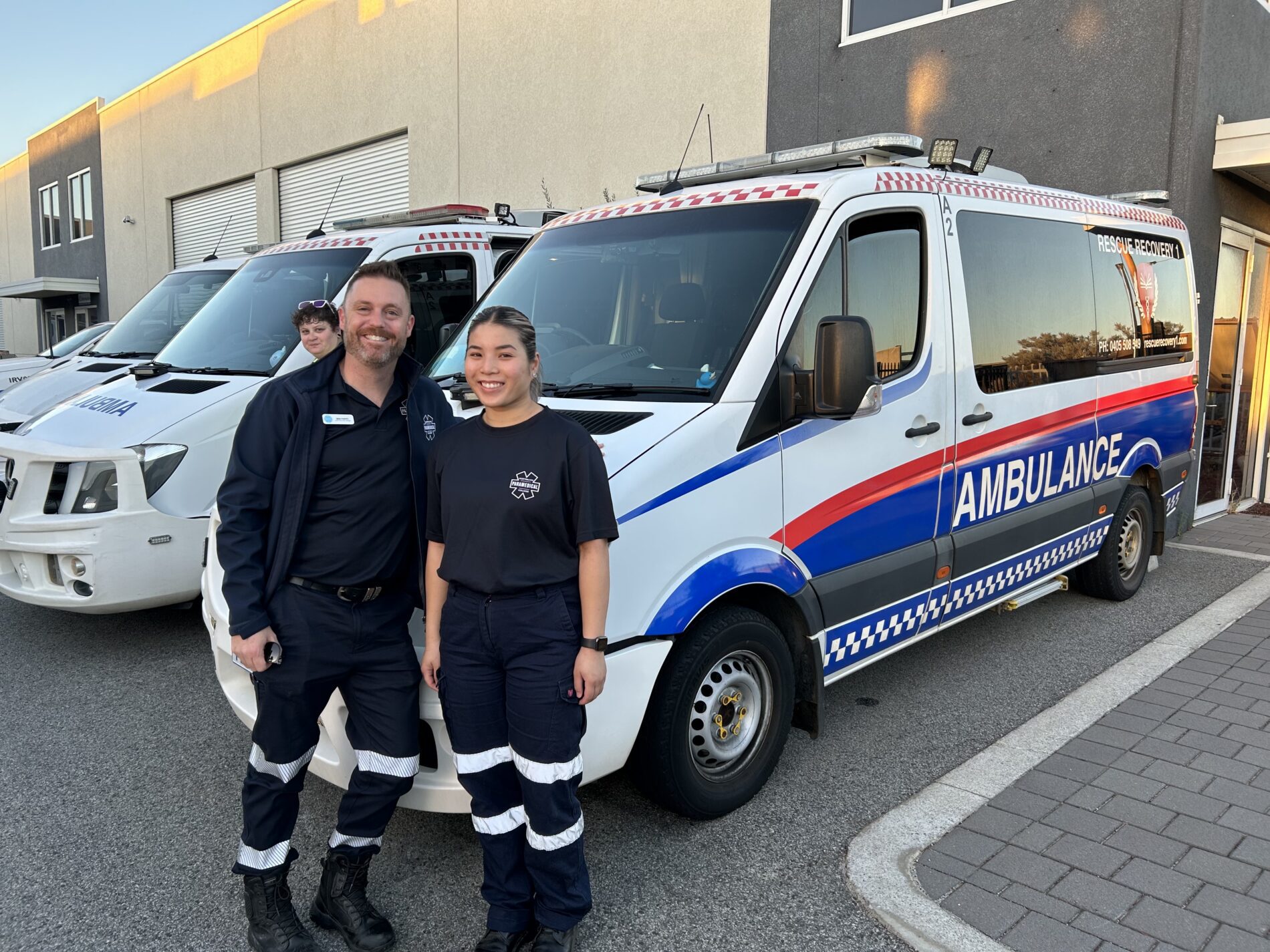
Recently, our CEO Ben joined the Rescue Recovery 1 team on shift in Perth to better understand the environments our students are preparing to work in. This first-hand insight reflects our commitment to delivering practical, industry aligned training that prepares students for the realities of emergency response.
Australian Paramedical College Director of Growth, Steve, who has played an important role in developing the partnership locally in WA, said the relationship adds another valuable layer to the placement opportunities available to students and comments about the experience. “This partnership adds a unique, high-exposure environment into the placement opportunity mix. It gives students access to real frontline experience in Perth’s nightlife, alongside a team that’s actively operating in the space.”
What Is The Night Safe Program?
The Night Safe program operates across Perth’s busiest nightlife areas, providing on-the-ground support during peak hours. These trained teams respond to a range of situations, including:
- Minor injuries
- Welfare checks
- Assisting vulnerable individuals
- Supporting people who do not require hospital care but still need help
This approach helps reduce pressure on emergency departments while supporting community safety.
Steve explained that experiences like Night Safe give students’ exposure to situations that cannot be replicated through classroom learning alone. “Controlled learning vs uncontrolled reality, that’s the difference. In Clinical Placements, students deal with unpredictable environments, real patients, and real pressure.”
Hands-On Experience For WA Students
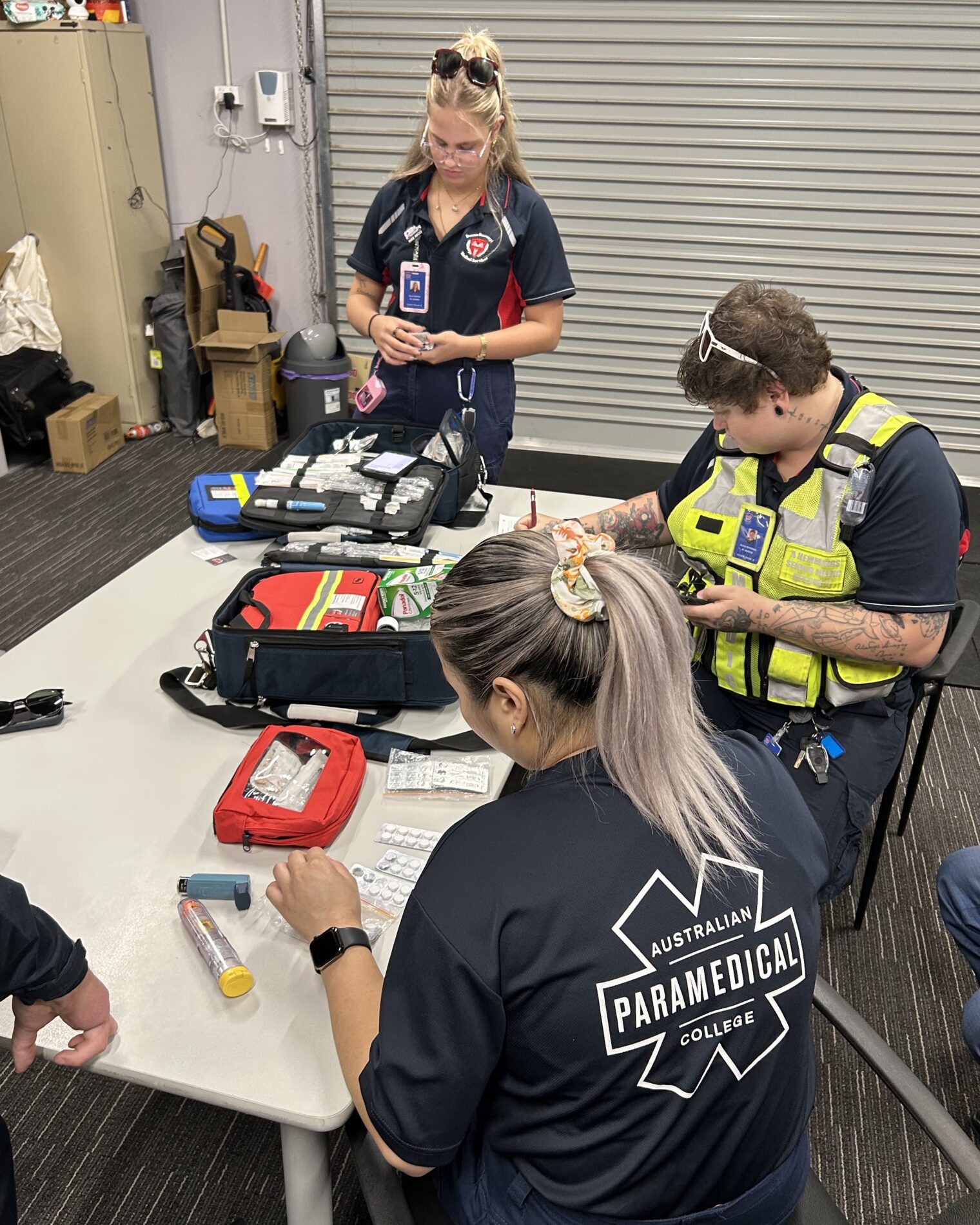
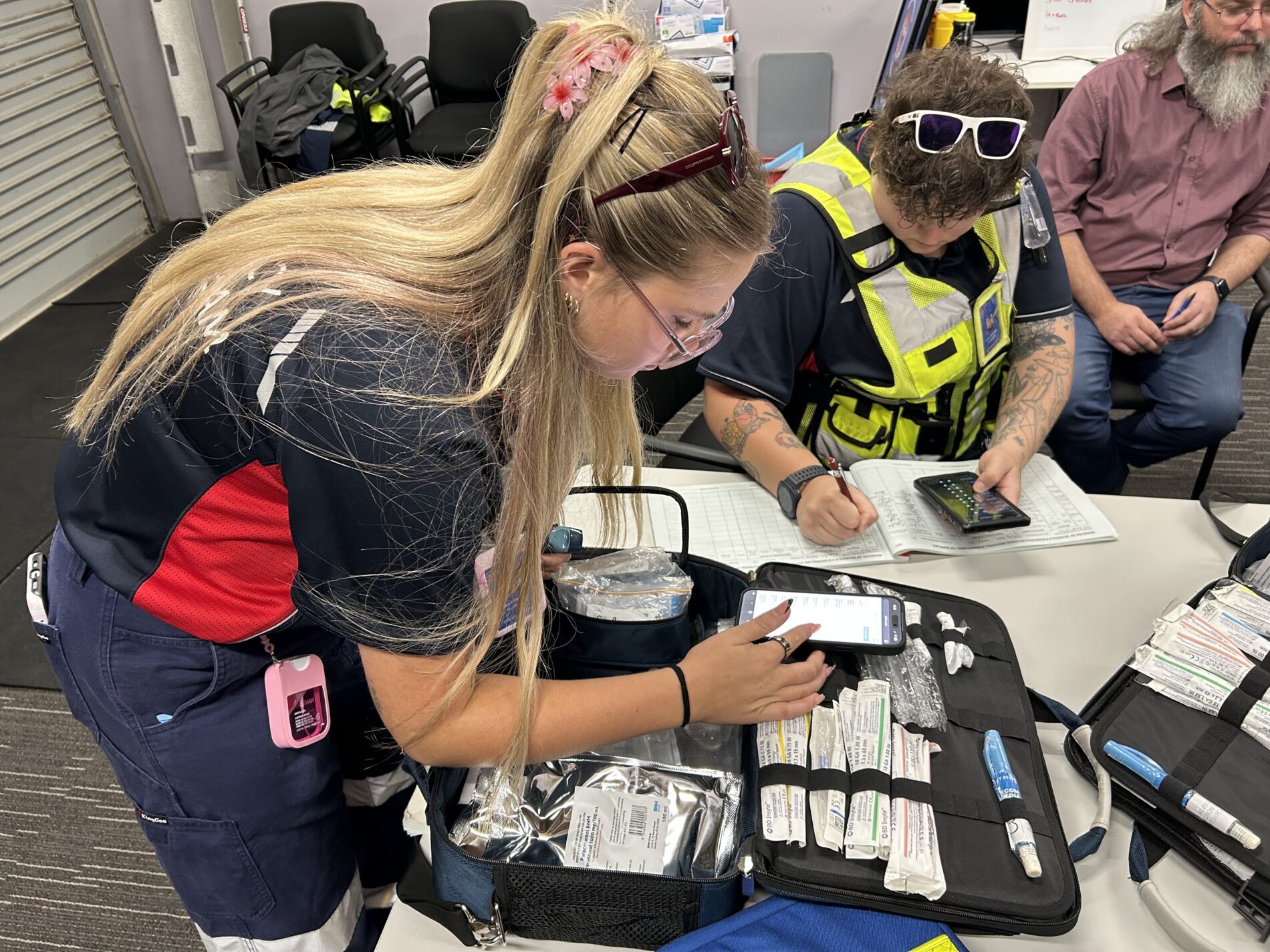
Through this partnership, students in Western Australia gain access to valuable placement opportunities within active community response environments. This is real experience in real settings.
During these placements, students:
- Apply their skills in real scenarios
- Work alongside experienced responders
- Build confidence in fast paced environments
- Develop a stronger understanding of frontline healthcare
Steve said one of the biggest takeaways from being on shift with the Rescue Recovery 1 team was seeing how calm and structured they remain under pressure.
“They’re not just clinically capable, they’re exceptional communicators. They manage intoxicated patients, de-escalate situations, and work seamlessly as a team.” “For students, it reinforces that being a good medic isn’t just clinical knowledge. It’s composure, judgement, and people skills under pressure.”
Pathways To Employment
These placements can also lead to employment opportunities. Students who demonstrate strong communication, reliability and professionalism during their shifts may be considered for future roles with partner organisations.
Steve believes industry partnerships like this are critical in bridging the gap between education and employment.
“Partnerships like this close the gap between training and employment. Students aren’t just getting qualified, they’re getting seen, assessed in real environments, and building relationships with employers.”
For WA students interested in opportunities like Night Safe, the pathway starts with becoming placement-ready through their training.
“From there, we work directly with partners like Rescue Recovery One to place suitable students into programs like NightSafe. Performance on placement is key, that’s where students can stand out.”
Building The Next Generation Of Emergency Responders
We are proud to partner with industry leaders like Rescue Recovery 1, connecting our students with meaningful career pathways while providing real-world experience.
By bridging the gap between education and industry, we are helping shape the next generation of emergency healthcare professionals who are ready to step into the field with confidence and capability.
Partnerships like this are also helping strengthen APC’s reputation and presence within the WA emergency healthcare sector.
“Strong, visible industry partnerships signal credibility. They show that APC isn’t just delivering training, we’re embedded in the sector.” – Steve, APC Director of Growth.
Thinking about studying emergency healthcare?
Find out more about the HLT51020 Diploma of Emergency Health Care
Hear From Ben (APC CEO):
Why did you travel interstate to attend a shift?
“For me, it comes down to staying connected to the industry. We don’t want to deliver training for the sake of training. Everything we do needs to reflect what employers actually expect in the field. That means building strong relationships with industry partners and understanding what’s happening on-the-ground. Doing a shift gave me first-hand insight into what our students experience on placement, while also giving me the chance to speak directly with them. Not through surveys or emails, but in real-time, in the environment they’re training for. It also allowed me to see the full journey – from students learning skills in workshops to applying them in real-world situations.”
What stood out to you during the shift?
“One of the biggest takeaways was just how unpredictable the job is. Unlike traditional ambulance services where you receive information before arriving, this environment throws you straight into the situation. You might walk into a venue with minimal context and need to assess, decide and act immediately. It reinforced how critical a systematic approach is. When everything around you is chaotic, having a clear process to follow is what keeps you grounded and effective. There was also a strong reminder of the impact this work has. Programs like this help reduce pressure on the ambulance system by treating patients on-site when hospital care isn’t necessary.”
Was there a moment that really stuck with you?
“Yes – watching students perform under real pressure. In the classroom, students practice checking for danger in controlled environments. But out in the field, that “danger” is real – traffic, crowds, bystanders, intoxicated individuals. Seeing students confidently apply their training in that environment was powerful. It showed that what we teach translates directly into real-world capability.”
How does this kind of experience influence APC’s courses?
“It plays a huge role. We don’t design courses based purely on textbooks. We build them around real industry expectations. That means listening to industry partners, identifying common skill gaps, and using trainer experience to shape delivery. Our trainers bring real-world experience from emergency healthcare, and when you combine that with ongoing industry feedback, you get training that is actually relevant when students step into the workforce. It’s about bridging the gap between theory and reality.”
What would you say to someone who thinks real-world experience only comes after graduating?
“That’s simply not true… there are plenty of opportunities to gain hands-on experience while studying – through placements, volunteering, and industry partnerships. Vocational education is designed to be practical. You’re not just learning theory, you’re developing real skills. But like anything, the more you put in, the more you’ll get out. If you’re proactive and say yes to opportunities, you can build meaningful experience before you even graduate.”
How does the partnership with Rescue Recovery One benefit students?
“The most obvious benefit is placement opportunities – which are a required part of APC courses. But beyond that, it’s about creating genuine pathways into employment. Rescue Recovery One is committed to supporting students and giving back to the industry. As they grow, there’s a real opportunity for APC graduates to step into roles within their organisation. This isn’t just a transactional relationship. It’s a long-term partnership focused on supporting student development, meeting workforce needs, and strengthening the healthcare sector.”
Final thoughts
“One thing was evidenced from this experience – this industry isn’t for everyone. It takes a certain type of person. Someone who is willing to step into unpredictable situations, stay calm under pressure, and genuinely wants to help people. But for those who do, it’s more than just a career. It’s a purpose.”