Real Skills, Real Patients, Real Results
There’s a moment every student of emergency healthcare training works towards – the moment the theory becomes reality. Not a mannequin, not a simulation, not a classroom debrief. A real person, in real distress, looking to you for help.
For two Australian Paramedical College (APC) students, that moment arrived on clinical placement with Industry Partners, Remote EMS, at the SPARTAN obstacle course event at Ivory Rock, Ipswich. And from what our team witnessed firsthand, they were more than ready.
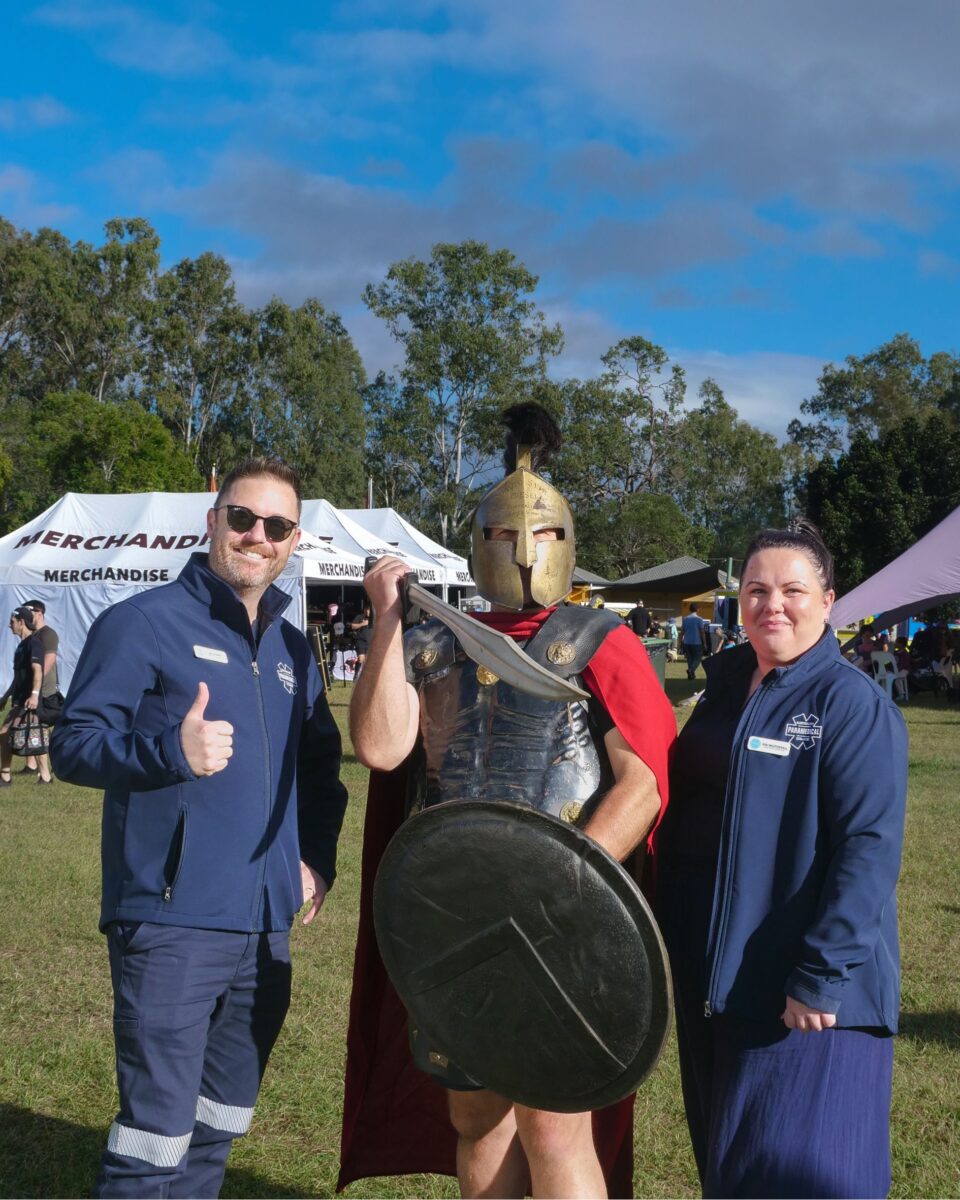
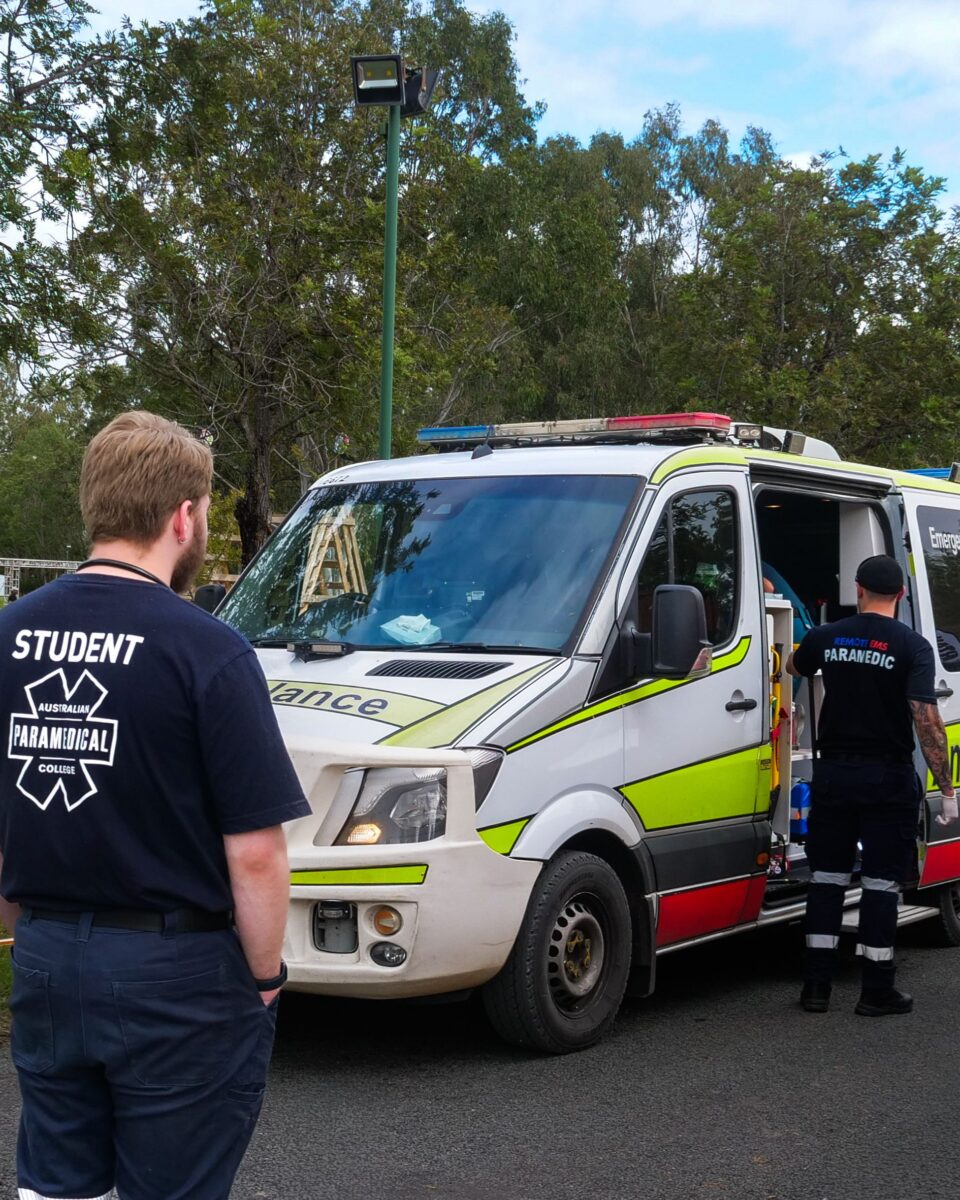
Last Saturday APC CEO, Ben Poppy, and Director of Operations, Jodi Weatherall, attended the SPARTAN event as part of an ongoing commitment to supporting students on clinical placement and maintaining close ties with industry partners. Alongside them were APC students embedded with the Remote EMS crew – working real shifts, treating real patients, and holding their own in a genuinely demanding environment.
What they saw that day reinforced something APC has long believed: clinical placements aren’t just a nice addition to emergency healthcare education. They’re the heartbeat of it.
 |
 |
What Is SPARTAN and What Event Medic Work Is Required?
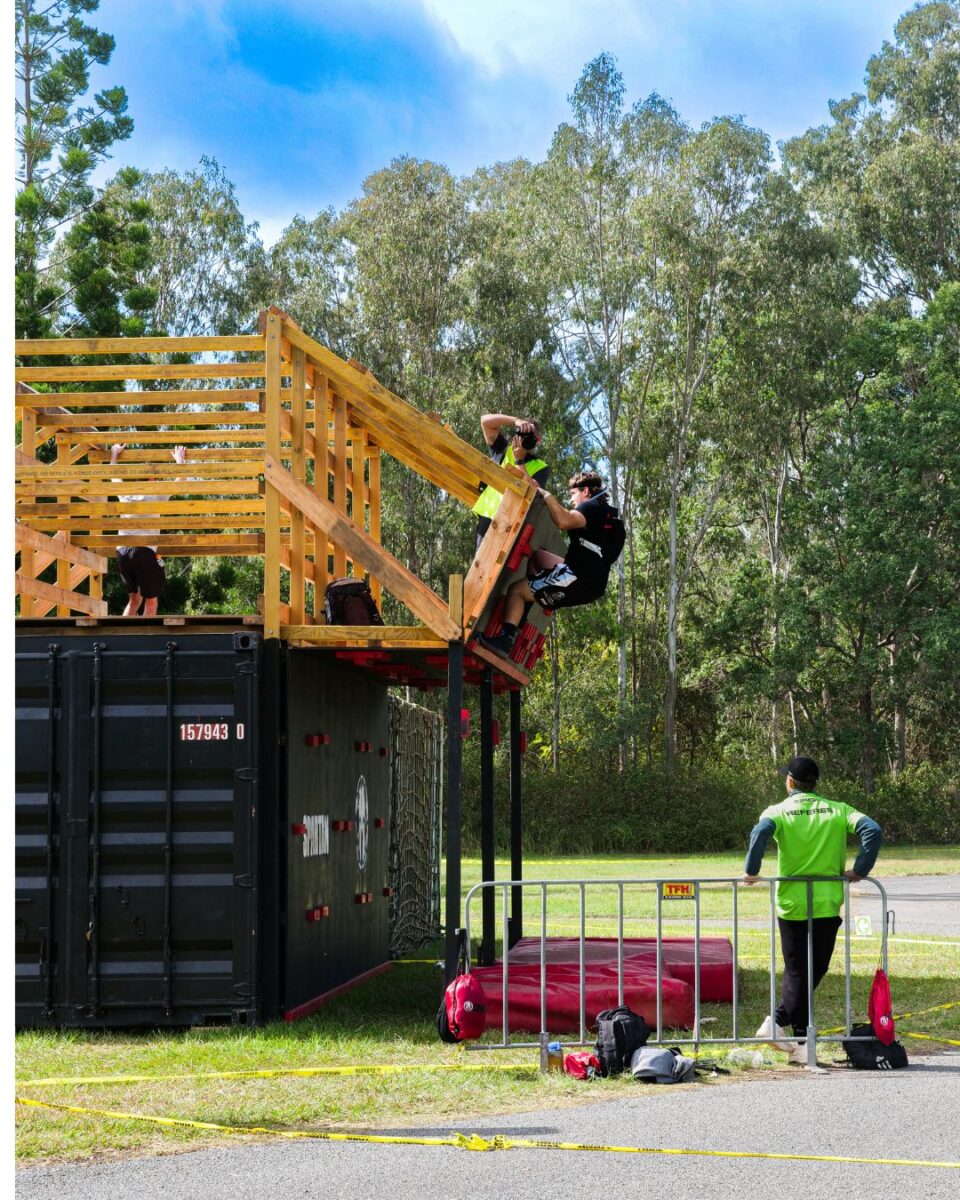
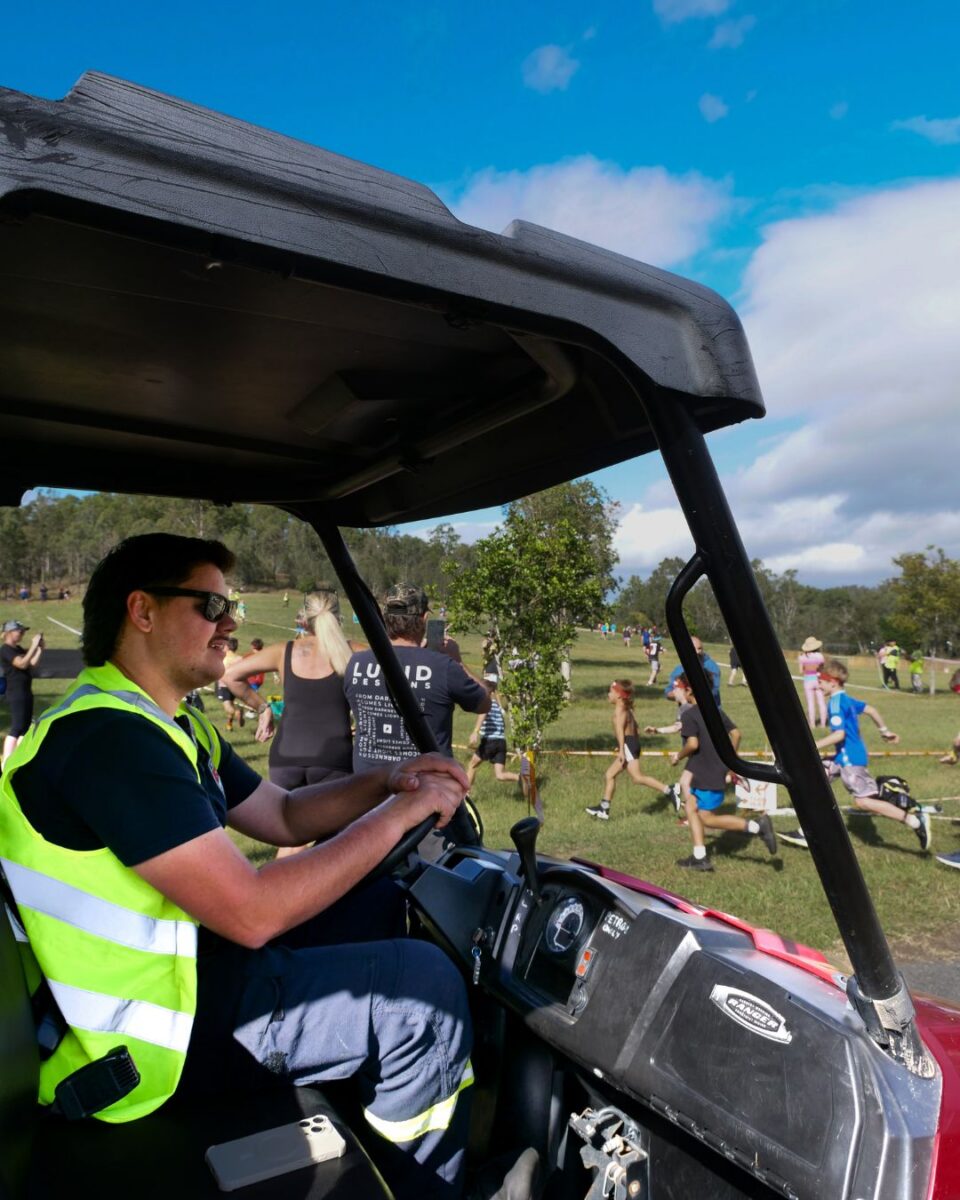
For the uninitiated, SPARTAN is one of the most physically demanding obstacle course race series in the world. Athletes push their bodies to the limit across rugged terrain, crawling through mud, scaling walls, and carrying heavy loads – all in a race against the clock and each other.
From an event medical services perspective, it’s a fascinating and high-pressure environment. Competitors arrive pre-fatigued, often underprepared for conditions, and willing to push well past what their bodies can comfortably handle. The result? A medical team that needs to be switched on, adaptable, and ready for anything.
Over just the first two days of the SPARTAN event at Ivory Rock, the Remote EMS team treated close to 100 patients. With another full day still to go, the volume was significant – and the variety of presentations kept the team, and the APC students supporting them, constantly engaged.
For students studying the HLT51020 Diploma of Emergency Health Care, it is ideal for linking the in-classroom learning to real-life scenarios.
 |
 |
APC’s Partnership with Remote EMS: Built on a Shared Standard
Australian Paramedical College CEO, Ben Poppy, explained that Remote EMS had previously employed APC graduates, and the team noticed there was growing demand for diploma-qualified candidates.
“We were able to provide students who were developing the exact skills Jett (Director of Remote EMS) was seeking for these roles,” Ben said. “In return, our students gain valuable mentorship and real-world industry experience.”
That alignment between APC’s high-quality training, values, and the standards expected by Remote EMS is what makes the partnership so successful. It’s more than a transactional arrangement – it’s a genuine collaboration between two organisations committed to excellence and to delivering the best possible learning experience for the next generation of healthcare professionals.
Inside the SPARTAN Shift: What APC Students Experienced
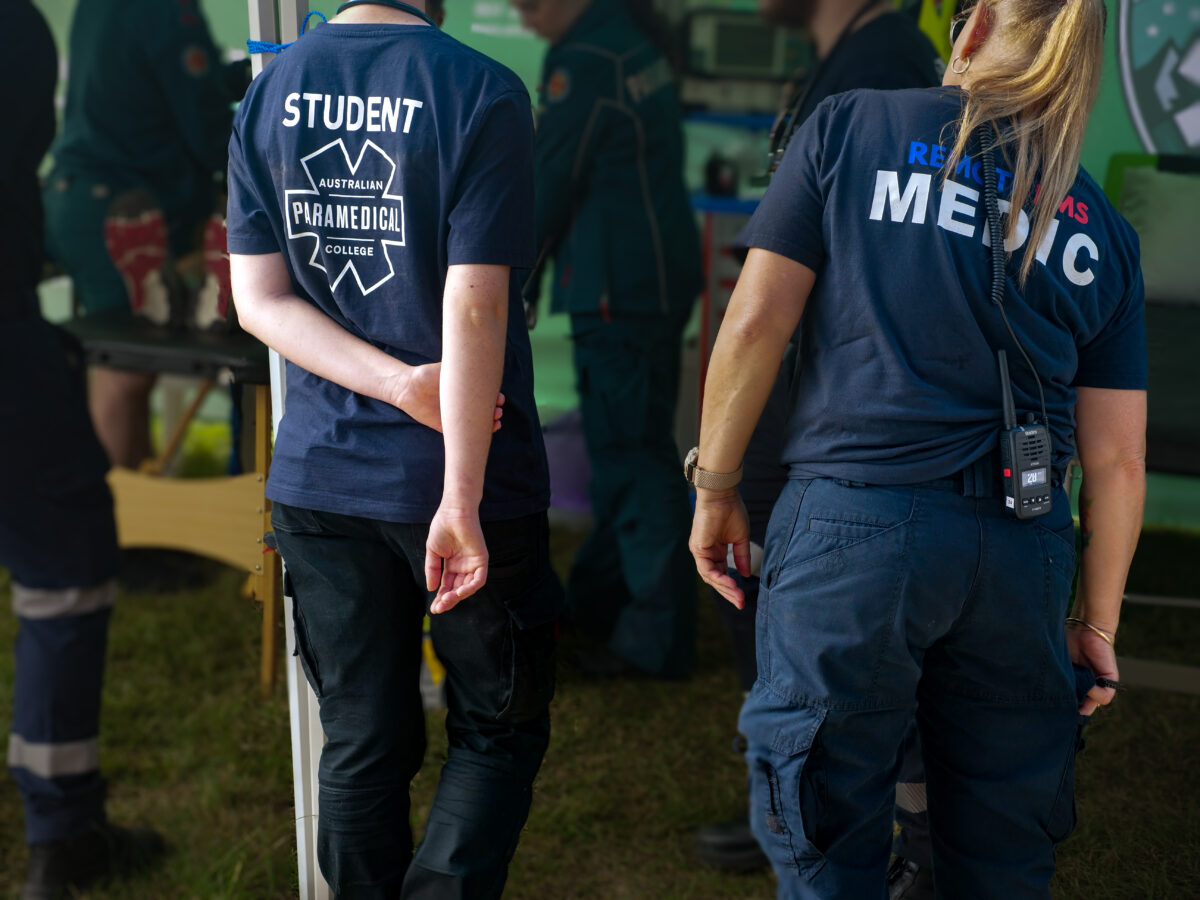
Walking into the medical tent at Ivory Rock on Saturday, the energy was immediate. Athletes coming off the course – some limping, some pale, some simply exhausted – made their way to the Remote EMS crew. And standing ready to help were our APC students.
During APC’s visit, several critical incidents occurred that required ambulance attendance. These weren’t minor presentations. They were genuine emergencies, unfolding in real time, in a live event environment.
That’s a confronting thing for any student to witness – let alone assist with. But what Ben and Jodi observed was something that made the whole APC team proud.
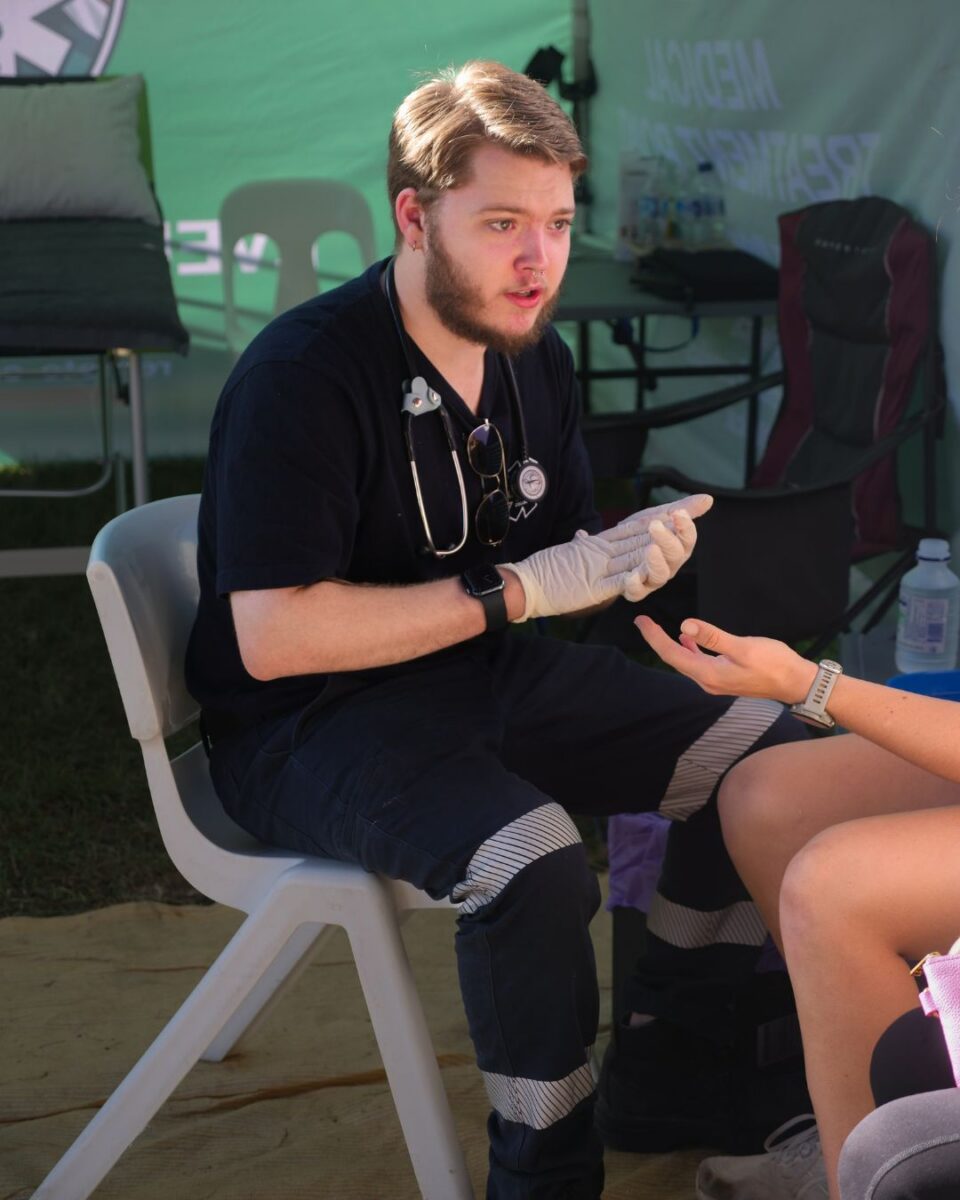
“The favourite part about attending the event was actually seeing our students put into practice what they’ve learnt and how confident they were,” Ben said. “If they didn’t know something, they would ask, but they didn’t shy away from people as they approached the medic tent. They were up out of their seats straight away, wanting to help, having a really good rapport with patients as they came across, having a really caring nature.”
That instinct – to stand up and move towards the patient, not shying away – is exactly what emergency healthcare training should develop. It has to be practised, reinforced, and felt in the body.
Jodi, reflecting on the experience from her perspective as Director of Operations, was particularly struck by the students’ curiosity and engagement.
“I think one of the things that I loved seeing was that they were so invested in the patient care. They were asking a lot of questions. They were talking to the paramedic that was there – and the paramedic was elaborating for them, going into more information, even showing other examples of other responses to people. The students weren’t just relying on what they already knew. They were asking deeper questions to expand their knowledge further.”
That, she said, was the biggest takeaway: “They’re keen to know more. They’re keen to learn. They want to get really involved. And there was a particularly critical incident — and they didn’t shy away from it. They were in there. Without being in the way, they were curious and wanted to understand the best practice and how to assist.”
Clinical Placement Support On Shift
One of the things that distinguishes a great industry placement from a mediocre one is the quality of mentorship available on the ground. Students learn by doing – but they learn even faster when they’re doing alongside experienced professionals who are genuinely invested in their development.
At SPARTAN, Ben (an experienced paramedic working as part of the Remote EMS crew) played a key role in that regard. Throughout the shift, Ben was actively debriefing and supporting students – not just responding to incidents, but reflecting on them with the students afterwards.
|
What did we see? What do we call that? What did we do? What would we do differently and why? |
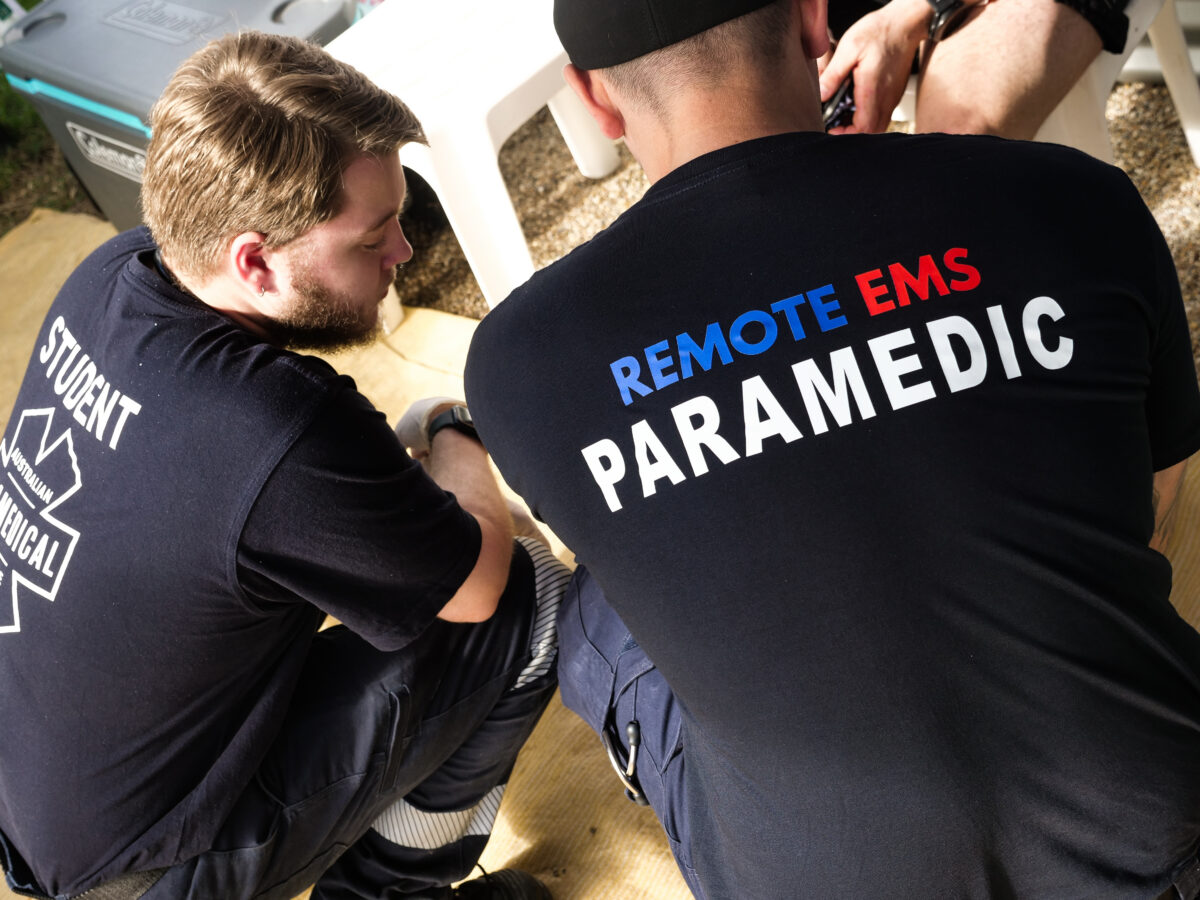 |
That kind of structured reflection in a real-world environment is enormously powerful. It bridges the gap between experience and understanding – helping students not just accumulate hours, but convert those hours into genuine clinical insight.
Jodi noted how naturally this mentoring relationship unfolded: “Remote EMS was very supportive of our students. They wanted them to be involved in care for patients and genuinely wanted to teach them things that they were picking up on – that maybe they didn’t have a really good understanding of when they were dealing with patients at the event.”
Owen’s Story: From Placement to Job Offer
Owen, an APC student who had completed a couple of placements with the Remote EMS team, was working the shift on Saturday. And had told our team that Jett from Remote EMS has presented him with a job offer for when he completes his Diploma.
Ben was understandably proud: “One of our students, Owen, who was there on the day, had been offered a position with Jett as part of the crew. It just goes to show that our students are coming out with this great confidence and mentality, this can-do attitude and this willingness to learn. It’s an opportunity for industry partners to gain really great quality employees, and we’ve seen it time and time again with students who have done placement with our industry providers.”
Ben notes, “Think about what a placement actually is from an employer’s perspective. It’s a low-risk opportunity to observe a potential hire in action, to see how they handle pressure, how they interact with patients, how they work within a team, and whether they fit the culture.”
It’s, as Ben put it, “sometimes also like a trial period for the provider as well, to see if they’re a right fit for their organisation.”
And when students show up with the skills, the attitude, and the preparedness that APC aims to develop, they tend to go pretty well.
From Workshops to the Field: How APC’s Training Prepares Students for Placements
The skills APC students demonstrated at SPARTAN didn’t appear from nowhere. They were developed through structured, hands-on learning that happens well before students ever step onto a placement site.
“Our workshops go into all of the skills they’re going to be expected to do out on placement,” Jodi explained. “They do simulated learning while they’re with us in workshops – but they’re really consolidating their knowledge and their hands-on practical skills when they go out into their placements.”
What placement does is drill-in the foundations learnt – and in doing so, strengthen them considerably.
Ben described it well: “They were putting it into practice and learning, but having mentors beside them that could also teach them things if they didn’t know something. They were with a qualified group that would tend to something, and they were seeing it firsthand, a real scenario – which we can do our best to replicate in class and prepare them for, but it’s essential for them to actually have that experience before they finish up their qualification and step into their new roles.”
HLT51020 Diploma of Emergency Health Care: Your Pathway Into Emergency Healthcare
If what you’ve read here has sparked something — a sense that this is the kind of work you want to do, the kind of environment you want to be in – then it’s worth knowing more about the qualification that makes it possible.
APC’s HLT51020 Diploma of Emergency Health Care is a nationally recognised qualification designed for people who are serious about a career in emergency healthcare. It’s delivered by industry-experienced trainers, built around real-world clinical application, and structured to get students job-ready – not just qualified.
The qualification provides:
- Flexible online learning combined with hands-on practical training
- 2 x intensive 5-day Clinical Workshops
- 160 hours of Clinical Placement with industry partners across Australia and New Zealand
- Realistic emergency scenario training, including cardiac arrest, asthma, anaphylaxis, trauma, overdose, and major incidents
- Training delivered by experienced medics and paramedics
- Pathways into roles including Event Medic, Patient Transport Officer, Emergency Services Officer, and Emergency Medical Technician
- A strong foundation for future university paramedicine studies
Recognition from employers who require formal qualifications.
As we’ve explored in this article, organisations like Remote EMS specifically seek diploma-qualified professionals. Your qualification opens doors that enthusiasm alone cannot.
For anyone exploring how to become an event medic, or looking to build a career in emergency response training and event medical services, the HLT51020 Diploma of Emergency Health Care is the clearest, most respected pathway available in Australia.
Why Clinical Placements Are Beneficial in Emergency Healthcare Education
The Diploma prepares students to respond to emergencies and the clinical placement hours included prepare students for the experience of responding to emergencies – which involves far more than just clinical knowledge. It involves managing your own adrenaline. Reading a room. Communicating with a distressed patient while simultaneously assessing their airway. Knowing when to call for help. Understanding the difference between urgent and emergent.
Working within a team, quickly and clearly.
None of that can be fully simulated. All of it can be learned – when students are placed in the right environments, with the right mentors, at the right moments in their training.
That’s what APC is building, one industry partnership at a time.
Are You Ready to Start Your Emergency Healthcare Journey?
If you’re considering a career in emergency healthcare, event medical services, or any of the many fields that the HLT51020 Diploma of Emergency Health Care opens up, the best time to take the next step is now. The industry is growing. The demand for diploma-qualified professionals is real and increasing. And the pathways for those who complete the Diploma are wider than ever.
Ready to take the first step?
Learn more about Australian Paramedical College’s HLT51020 Diploma of Emergency Health Care and find out how you can start building the skills, the experience, and the connections that lead to a rewarding career in Emergency Healthcare today.