If you’re looking up how to work in emergency healthcare and where to begin your studies, one thing that makes a big impact is who is teaching you.
Frank Stilo teaches the HLT51020 Diploma of Emergency Health Care and the HLT31120 Certificate III in Non-Emergency Patient Transport at Australian Paramedical College’s Victoria campus and we can tell you now, he’s not just reciting a textbook. He’s translating eight years of real ambulance work into lessons students can actually use in the real world.
About Frank
Frank is a registered paramedic and one of APC’s trainers and assessors, based in Victoria. His path wasn’t a straight line from student to trainer — he worked the job first, in both emergency and non-emergency settings, before moving into teaching. That order matters. It’s the difference between someone who has read about emergency healthcare and someone who actually worked in it.
As Frank puts it, teaching gave him the chance to pass on what the classroom alone can’t: “adding a bit of real life and realism to what you learn in the classroom is the difference.”
Frank’s journey into Paramedicine
After finishing his studies, Frank moved into the non-emergency space first, then transitioned into emergency care – which is where he built the bulk of his hands-on experience.
Later, he circled back to non-emergency work, and that’s where a second career started to take shape almost by accident: he discovered how much he loved teaching, and how many opportunities there were to do it well.
He leaned in, and it stuck.
It’s a reminder that a emergency healthcare career pathway in Australia rarely runs in a single lane – emergency and non-emergency experience each teach different things, and Frank has lived both sides.
Emergency and non-emergency ambulance care
Over eight years, Frank worked across both emergency and non-emergency ambulance care, giving him a rounded view of what patient care actually looks like day to day, not just the dramatic call-outs, but the full spectrum of need.
That breadth shaped one of the biggest lessons of his career: emergency healthcare is a far bigger, messier world than any classroom can fully simulate.
“It’s not like it is in the classroom all the time,” Frank says. “It’s not a controlled setting. Highly dynamic.” For students building toward a career on the road, that’s exactly the kind of insight that only comes from someone who’s been there.
From ambulance to classroom: Frank’s move into education
Frank’s shift into training wasn’t planned from day one – it grew out of genuinely enjoying the process of helping people understand difficult concepts.
Once he started, the appeal of teaching was hard to ignore: watching a student go from confused to confident, in real time.
With five years now split across tertiary and vet education, Frank brings a trainer’s instinct for pacing and clarity, backed by a paramedic’s instinct for what actually matters when the pressure’s on.
Academic qualifications and professional development
Frank’s own education didn’t stop when he started teaching – if anything, it deepened. His qualifications include:
- Bachelor of Paramedicine – Australian Catholic University
- Master of Paramedic Practitioner – Edith Cowan University
- Graduate Certificate in Tertiary Education – Victoria University
That combination is deliberate.
For students looking into the diploma pathway, or simply wondering careers are available in emergency healthcare having a trainer with deep clinical study and formal teaching training is a genuine point of difference.
Frank’s approach to teaching and supporting students
Frank’s favourite part of the job is unmistakable: “seeing that light bulb come on” when a difficult concept finally clicks.
He talks about breaking things down, having a laugh, and enjoying the process of untangling complex topics with students rather than just delivering them.
That approach matters more than it might sound.
Emergency healthcare training covers genuinely hard material – physiology, clinical decision-making, high-pressure scenarios – and a trainer who can make that process feel human, not just correct, tends to get better outcomes.
Frank’s classroom style leans on real stories and real context rather than rote memorisation, which is exactly what students searching for how to working in Emergency Healthcare or for pathways to become a paramedic in Australia are hoping to find.
Key insights from industry experience
One of the most useful things Frank offers students is a reality check most people don’t get until they’re already on the job: not every call is an emergency in the way people assume.
“There is always a different sense to emergency for every single person,” he explains.
A huge share of ambulance work is simply being there for people at their point of need – often that’s a helping hand with everyday life rather than a dramatic rescue.
It’s a small shift in framing, but it’s the kind of insight that only comes from having actually worn the uniform – and it’s precisely the sort of thing prospective students won’t find in a course outline.
Why real-world experience matters in healthcare education
There’s a reason “learn from real paramedics” resonates with people researching emergency health care courses in Australia: healthcare training is one of the few fields where the gap between theory and practice can have real consequences.
A trainer who has actually managed both emergency and non-emergency patient transport brings context no textbook can replicate – how a protocol holds up under pressure, what patients actually need in the moment, and how to stay calm when a scenario stops following the script.
Frank’s own advice to future students reflects this: look into the industry, understand what the day-to-day work actually involves, and build a foundation in basic biology before you start.
It’s grounded, unglamorous advice – and exactly what you’d expect from someone who’s lived the job rather than just studied it.
 |
 |
Working with Australian Paramedical College
Frank brings his eight years of real ambulance experience, five years of teaching practice, and postgraduate qualifications in both paramedic practice and tertiary education to his teachings in the HLT51020 Diploma of Emergency Health Care and HLT31120 Certificate III in Non-Emergency Patient Transport.
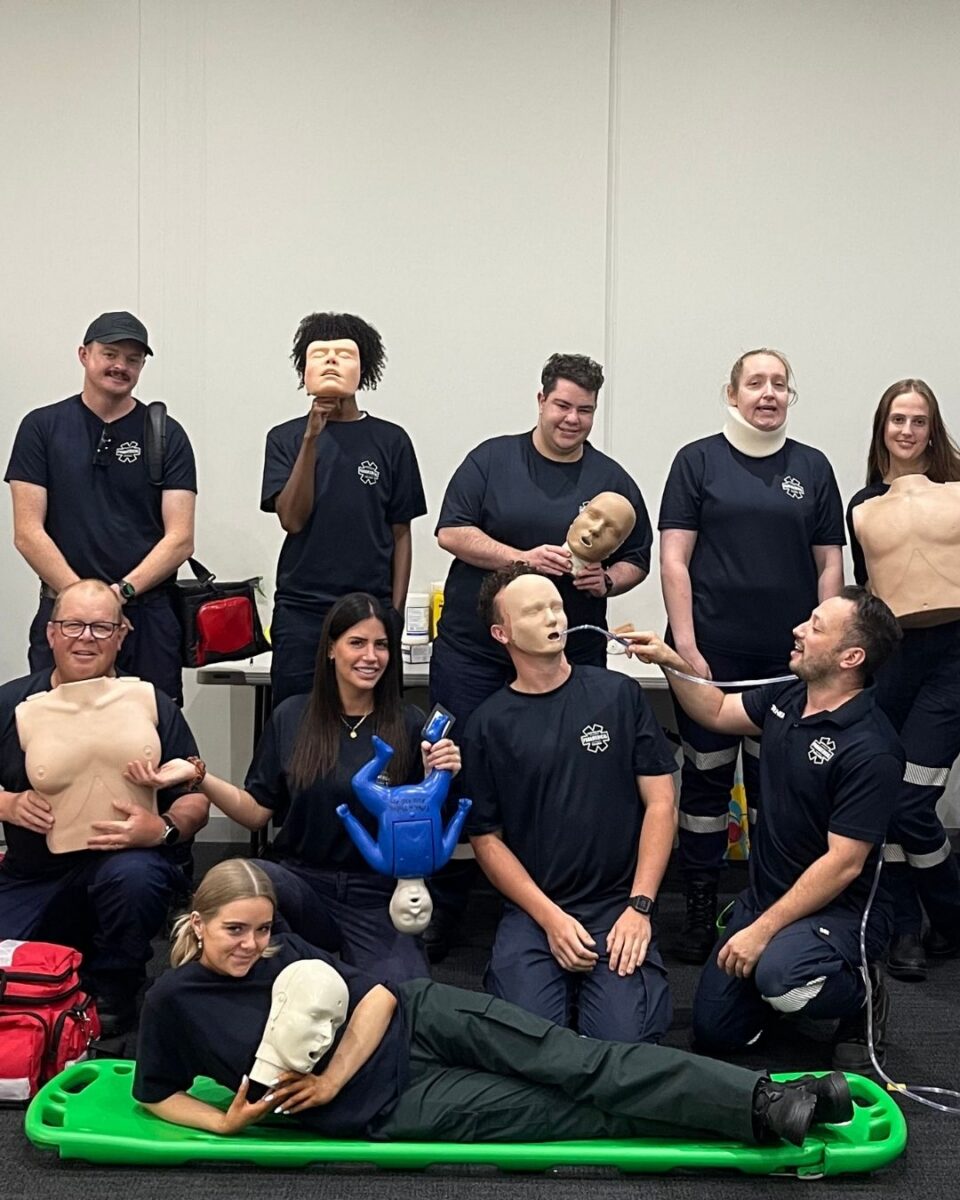
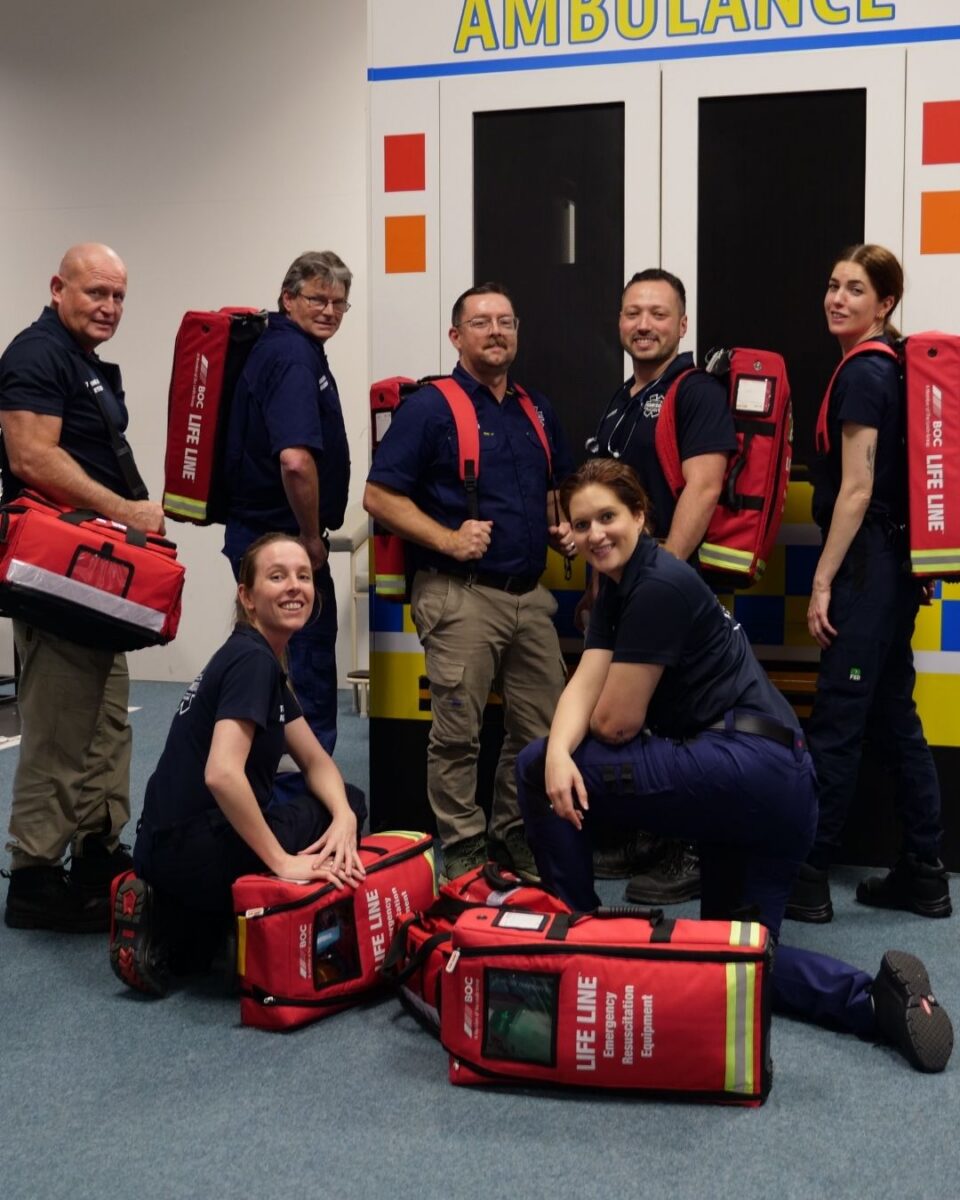
For students at Australian Paramedical College, that means learning from someone who has genuinely been in the back of the ambulance – not just in front of a lecture slide.
If you’re exploring a career in emergency healthcare or paramedicine pathway in Australia and want training grounded in real-world experience, you are searching in the right place.