Jolanta’s story actually doesn’t start in pathology… it started in nursing.
After years working in nursing, she was ready for a change – but not a complete departure from patient care. Pathology collection turned out to be exactly what she was looking for.
“I originally came from a nursing background and was looking for a change, but I still wanted to work closely with patients and make a meaningful difference to their healthcare journey,” she says.
“Pathology collection gave me exactly that. It allowed me to continue helping people in a very practical and tangible way, while offering a different pace and scope of practice.”
She’s quick to point out that pathology collection is one of healthcare’s less visible roles – and one of its most underestimated.
“You’re really in a position where you’re able to help somebody when they’re in a vulnerable stage, like whether they’re going through treatments, chemotherapy, or they’re trying to get pregnant,” Jolanta explains. “You’re really able to be there for someone and make a difference.”
Some of her students, she says, chose to enrol in pathology collection training specifically because a collector once made a real difference for them during a difficult time. It’s the kind of ripple effect that keeps her invested in the work.
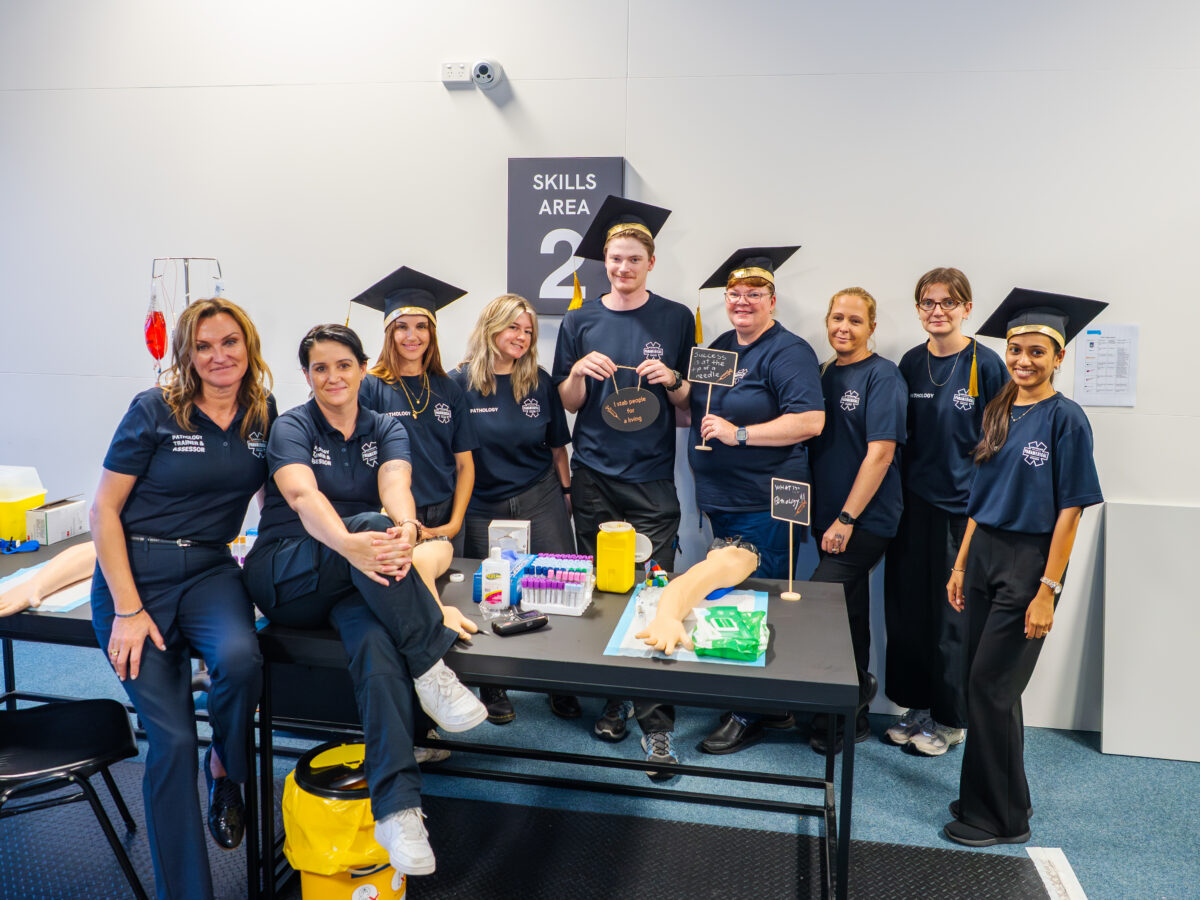
Three States, 27 Years, Countless Patients
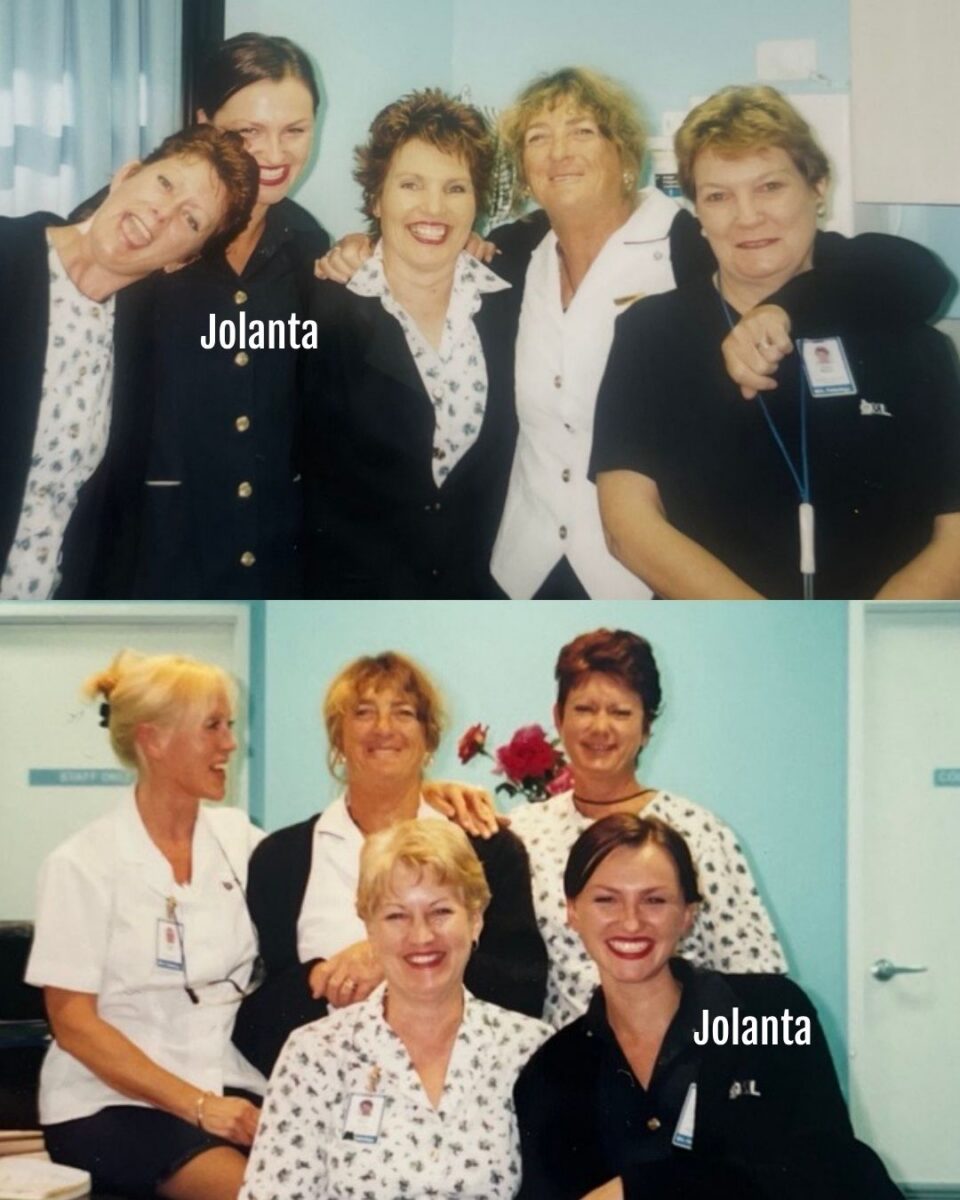
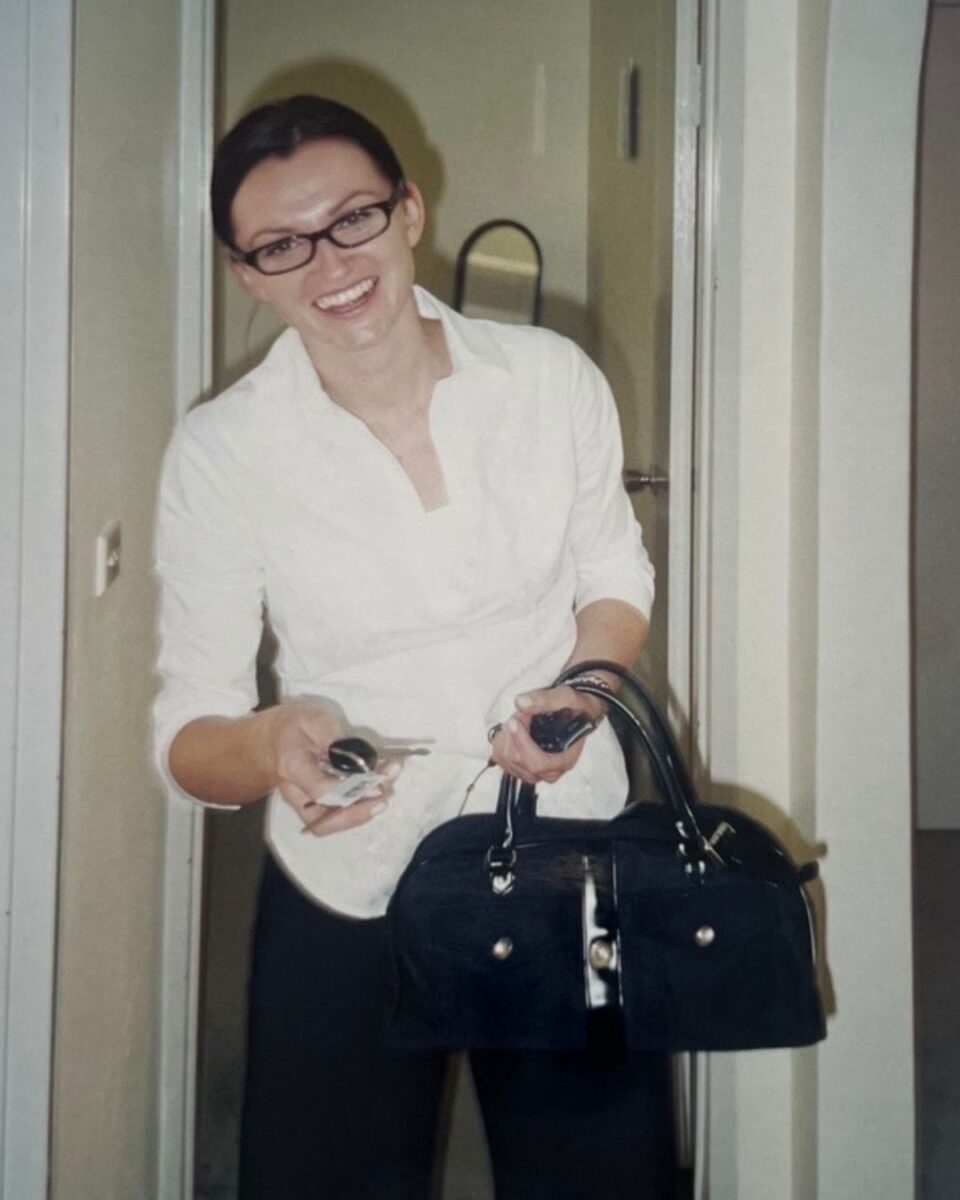
What followed was almost three decades working across Victoria, New South Wales and Queensland – in hospitals, clinics, collection centres and mobile collection roles.
“Every role has taught me something different and given me experiences that I now draw on every day,” she says.
It’s that breadth – not just the length of her career – that shapes how she teaches. Jolanta has worked in quiet regional clinics and busy metropolitan hospitals, with experienced teams and as the sole collector on shift. She’s seen how differently the same job can look depending on the setting, and she brings all of that into the classroom.
“Looking back, it’s been an incredibly rewarding career,” she says, “and I genuinely feel privileged to be able to share that knowledge and experience with the next generation of pathology collectors.”
 |
 |
The Gap Between the Classroom and the Real World
Jolanta’s move into education wasn’t planned. It started with mentoring students during their clinical placements — a week-long placement at the end of their course before they entered the workforce.
She enjoyed it immediately. But the more students she mentored, the more something bothered her.
“I noticed there were gaps between what some students had been taught in the classroom and what was expected in the workplace,” she says. “That inspired me to move into education, where I could help bridge that gap.”
Rather than continuing to patch things up from the placement side, she wanted to fix the problem earlier. “I wanted to be involved at the front end of it. And this is how I got into training.”
Eight years later, her feelings on the matter haven’t changed: “I absolutely love it.”
Building the Course From Scratch
When Jolanta joined APC, there was no pathology collection course waiting for her. She built it.
“Building APC’s pathology course has been one of the most rewarding projects of my career, but I’d be lying if I said it was easy,” she says.
She gives a lot of credit to the people around her – colleagues Ben Poppy (APC Chief Executive Officer), Jodie Weatherall (APC Director of Operations) and Shaun Radforth (APC Quality Practice and Compliance Manager) – and to the early morning breakfast meetings where the course slowly came to life.
From the start, she had a clear vision for what she didn’t want to create.
“I didn’t want our Learner Guides to become something students simply searched through to find answers for assessments,” she says. As she puts it to new students during orientation: “The assessments are there to capture your understanding of the unit, not to see how quickly you can get through them.”
She wanted students to actually want to read the material. “I wanted students to actually enjoy reading the resources, absorb the content and understand why they’re learning it,” she says. “Everything was written with industry in mind so that when students walk into placement, they’re not just hoping they’ll cope – they know they’re prepared.”
The course was shaped in close consultation with pathology providers, with mentor feedback folded straight back into the content. Her earlier experience developing Drug and Alcohol Testing programs across multiple states also left a mark on her approach.
“To put it simply, it was what I cut my teeth on,” she says.
“It taught me a huge amount about compliance, resource development and helped me find my own writing style. More than anything, it showed me that you can create resources that are technically accurate without making them difficult or boring to read.”
She also made a deliberate call about how the content would feel to read. “I’ve tried to write the resources the way I teach – conversationally,” she says. “I wanted it to feel like I was sitting beside them, sharing what I’ve learnt over the past 27 years.”
“I Have to Remind Them to Breathe”
Ask Jolanta what she loves most about teaching and she doesn’t hesitate.
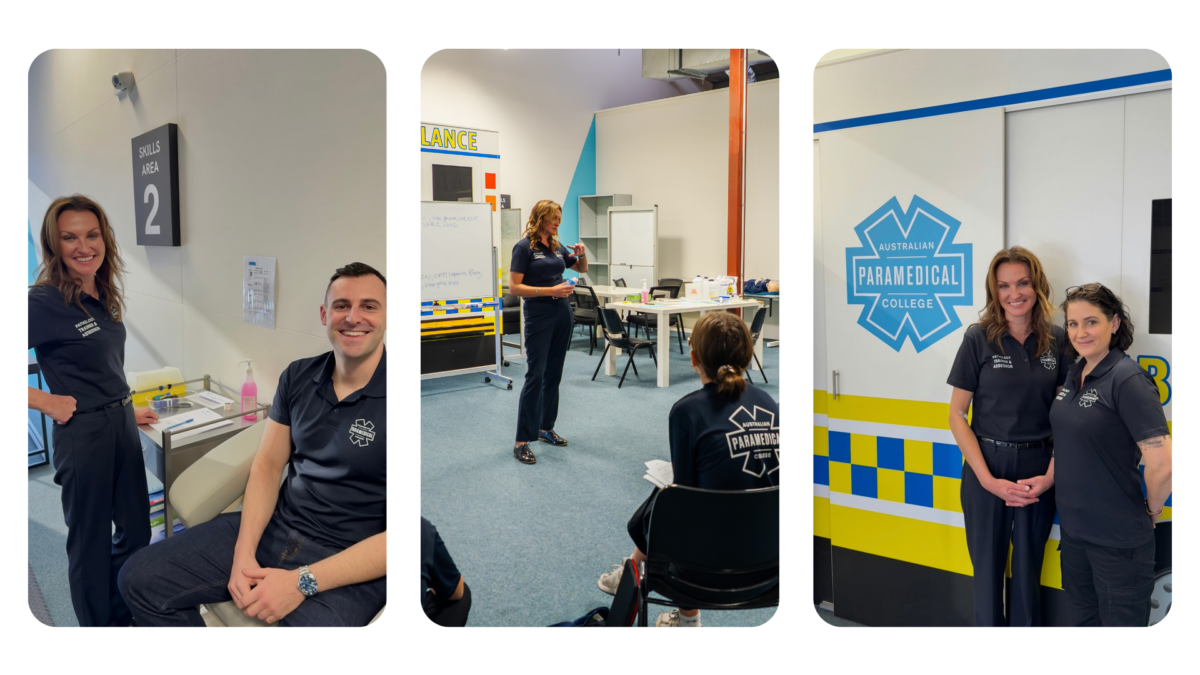
“Without a doubt, it’s watching someone’s confidence grow.”
“I love seeing students go from being so nervous during their very first collection that I have to remind them to breathe, to confidently completing a full patient episode on a tricky vein to boot and absolutely smashing it,” she says. “Watching that little voice change from ‘I can’t do this’ to ‘I think I can do this,’ and then to ‘I’m actually good at this,’ is one of the most rewarding parts of my job.”
She sees this often in students who are making a significant career change – people who’ve taken a real leap into something unfamiliar.
“There really is nothing better than watching someone realise they’re capable of so much more than they ever thought possible,” she says.
And she knows exactly what that first day looks like.
“I love seeing everyone arrive on the first morning, quietly sitting in their own little spot, nervous and wondering what they’ve signed themselves up for,” she says.
“Then, by the end of the first day, they’re chatting, laughing, supporting each other and walking out pumped and excited to come back. That honestly makes my day, actually!”
Not Just What to Do… But Why
Jolanta is direct about what she thinks separates a good pathology collector from a great one: understanding the reasoning behind what they do.
“For me, it all comes down to one simple thing: treat every patient as if they were your own beloved family member,” she says.
She applies the same principle to how she teaches. “I also always try to explain the ‘why’ and the ‘why not’, rather than just telling students what to do. I truly believe that’s what makes the knowledge stick.”
It’s a philosophy built around what happens once she’s no longer in the room. “There will come a time when I’m no longer looking over your shoulder, and it’s in those moments that I want you to make the right decision – not because someone is watching, but because you understand why it’s the right thing to do.”
That understanding, she believes, is what APC graduates carry with them.
“I believe our graduates leave APC with more than just a qualification – they leave with confidence,” she says.
“They understand not only what to do, but why they’re doing it. That gives them the confidence to step into the workplace ready to learn, contribute and provide safe, compassionate patient care from day one.”
Hear more from Jolanta about APC’s Pathology Course
What Placement Mentors Are Saying
One of Jolanta’s ongoing responsibilities is working directly with pathology providers to secure quality clinical placements for students. The feedback that comes back from those placements has become her most reliable measure of whether the training is actually working.
“One of the things I love most is hearing feedback from mentors during clinical placement,” she says. “They’ll often say things like, ‘This student is over-prepared,’ ‘They feel more like a colleague than a student,’ or ‘Their knowledge is excellent.’ That’s honestly the best feedback I could ask for.”
It’s the kind of feedback that makes the harder parts of building a course from the ground up worth it. “Seeing that vision come to life — and then hearing placement mentors tell us our students are ‘over-prepared’ – has made every early morning, every challenge and every setback along the way completely worth it.”
Ready to Take the First Step?
Jolanta’s career has been built quietly – 27 years of patient care across three states, followed by eight years spent making sure the next generation of pathology collectors is genuinely ready for the job.
If you’re thinking about a pathology collection course in Australia and want to learn from someone who’s actually done the work, Australian Paramedical College’s HLT37525 Certificate III in Pathology (Pathology Collection) is a good place to start.
Frequently Asked Questions (FAQ)
A pathology collector takes blood and other specimens from patients for laboratory testing, working across hospitals, clinics, collection centres and mobile collection settings.
Most people begin with the HLT37525 Certificate III in Pathology (Pathology Collection), a nationally recognised qualification combining classroom learning, practical training and supervised clinical placement.
Yes. It offers consistent demand across hospital, private and community settings, and as Jolanta puts it, it’s one of healthcare’s hidden gems – a role where you’re genuinely able to make a difference for people at vulnerable moments in their healthcare journey.
It’s the standard entry-level qualification for pathology collectors in Australia, covering venepuncture, specimen collection, patient communication and the clinical reasoning behind safe collection practice.
Absolutely. Many APC students are career changers in their 30s, 40s and 50s, and Jolanta says that life experience is often an advantage in a role that relies so heavily on communication and patient care.
Students learn venepuncture and capillary collection technique, patient communication, infection control, drug and alcohol testing, ECGs and collecting specimens beyond blood.
Learning from someone with decades of real clinical experience means students are taught not just what to do, but why – which is what holds up when they’re working independently on placement and beyond.
Yes. APC works directly with pathology providers and clinical placement is part of the course. Feedback from those placements is fed back into the course on an ongoing basis.