If you’ve been researching a career in patient transport or emergency healthcare, you may have already heard the industry talking about Victoria’s updated Non-Emergency Patient Transport Regulations. The Non-Emergency Patient Transport Regulations 2026 officially came into effect in April this year (2026), replacing the previous regulations from 2016, and they bring some of the most significant changes the sector has seen in years.
For people considering a role as an Ambulance Transport Attendant (ATA), a Patient Transport Officer, or any position within non-emergency patient transport, this isn’t just regulatory housekeeping. It directly affects which qualifications you’ll need, what kind of patients you’ll be trained to care for, and how far your career can go from here.
This article breaks down:
- what’s changed
- what it means for your study plans, and
- how nationally recognised healthcare training fits into the picture
… whether you’re straight out of school, changing careers in your 40s, or coming from a related industry like nursing, disability support, mining, general healthcare and more.
Watch some of our student stories here.
What is Non-Emergency Patient Transport (NEPT)?
Non-Emergency Patient Transport, or NEPT, refers to the safe transport of patients who need clinical monitoring, supervision or care during transport, but who are not in a life-threatening emergency. It’s an essential part of Victoria’s health system, moving patients between hospitals, from home to medical appointments, or between aged care facilities and specialist clinics.
The key distinction between emergency and non-emergency transport comes down to acuity and urgency. Emergency ambulance services respond to Triple Zero (000) calls where a person’s condition is immediately life-threatening. NEPT, by comparison, is booked in advance through a licensed provider or Ambulance Victoria, in consultation with a patient’s treating health professional. Before a NEPT provider can transport a patient, that patient’s acuity and stability must be assessed to make sure the transport is safe and appropriate.
Patients who use NEPT services might include:
- People being discharged from hospital who still need clinical supervision
- Patients travelling between health facilities for tests, treatment or rehabilitation
- Aged care residents attending specialist appointments
- People with a disability or severe immobility who require a stretcher vehicle
- Patients requiring bariatric transport or specialised equipment
NEPT trips happen mostly by road, though a smaller number are carried out by air, particularly in regional and rural Victoria. Whatever the setting, the underlying principle is the same: the patient needs a level of clinical care during transit that a standard vehicle or rideshare simply can’t provide.
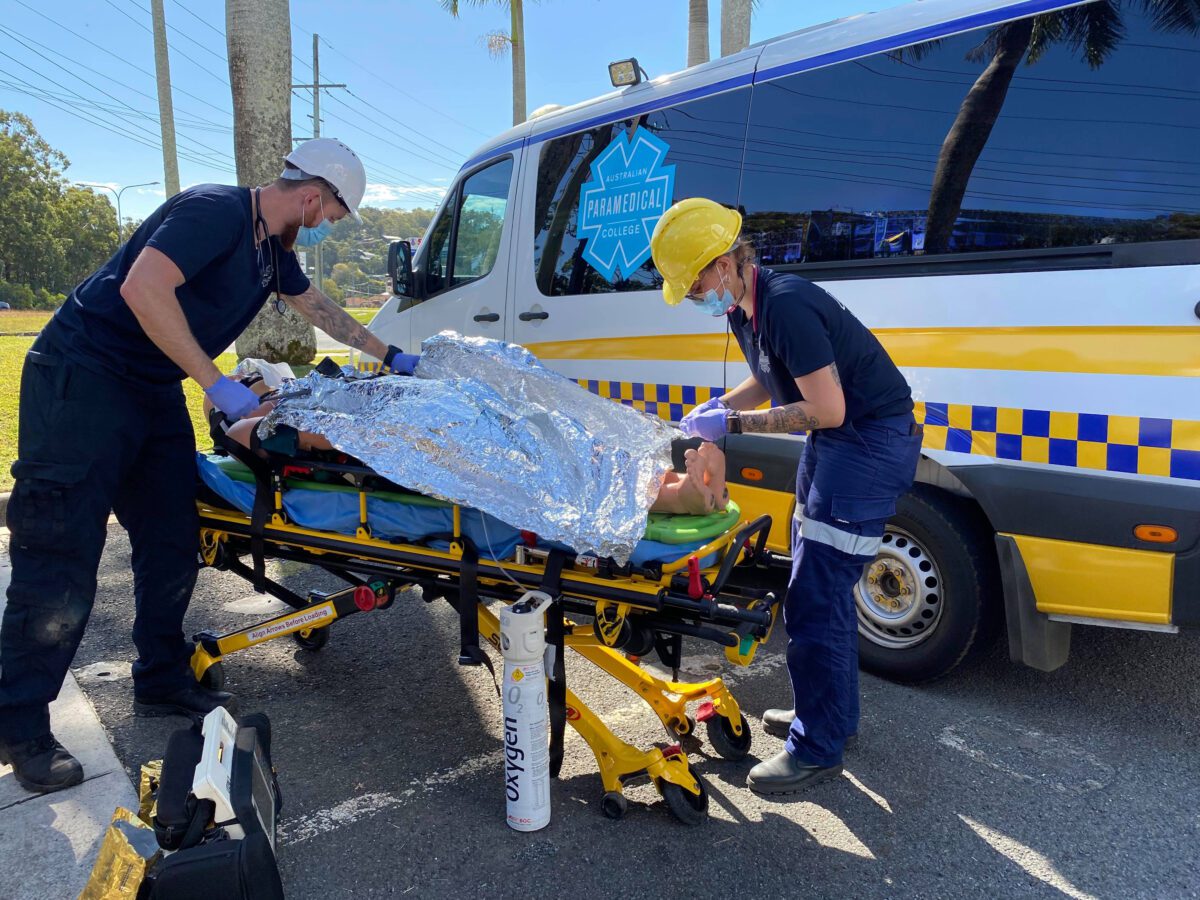
What’s Changed in Victoria’s 2026 Regulations?
The Non-Emergency Patient Transport Regulations 2026 were made under the Non-Emergency Patient Transport and First Aid Services Act 2003, and were developed following a formal review and public consultation process undertaken in early 2026. They revoke and replace the 2016 regulations, which took over in April 2026.
While the regulations retain the same underlying licensing framework – NEPT providers must still hold a licence before they can transport patients – several elements have been strengthened and clarified:
- Clearer patient acuity definitions. The updated framework places more emphasis on defining patient acuity levels consistently across the industry, so providers, staff and health services are working from the same understanding of what “low acuity” and “medium acuity” transport actually involves in practice.
- Updated Clinical Practice Protocols (CPPs). Alongside the regulations, the 2026 Clinical Practice Protocols have been revised for use by licensed providers in the triage and care of patients during an episode of care. These protocols are what NEPT crews use day-to-day to guide their clinical decision-making.
- Formal determinations on staff qualifications, skills and competencies. Under the new regulations, the Secretary of the Department of Health is required to determine and publish the qualifications, skills and competencies expected of NEPT staff. This is a meaningful shift because it moves workforce standards from informal industry practice toward a documented, government-published benchmark — which providers and training organisations can plan around with more certainty.
A defined scope for higher-acuity work. The regulations also support clearer differentiation between roles that manage lower-acuity transports and those, like the Ambulance Transport Attendant role, that are trained to manage patients with more complex clinical needs during transport.In practice, what this means for someone starting out is straightforward: Victoria now has a more clearly documented expectation of which qualification level matches which type of patient transport work. For prospective students, that clarity is genuinely useful — it removes a lot of the guesswork about “what do I actually need to study to do this job?”
It’s worth noting that the specific qualifications and competencies referenced in this article reflect current industry training pathways used across the NEPT sector; always check the Department of Health’s published determinations and your prospective employer’s requirements for the most current position-specific criteria.
HLT31120 (Certificate III) vs HLT51020 (Diploma): What’s the Difference?
One of the most common questions people ask when researching this career is whether they need a HLT51020 Diploma of Emergency Health Care or a HLT31120 Certificate III in Non-Emergency Patient Transport if they are looking to enter a patient transport role.
The honest answer is: it depends on the role you want and the acuity of patients you’ll be transporting.
| Feature |
HLT51020 Diploma of Emergency Health Care |
HLT31120 Certificate III in Non-Emergency Patient Transport |
| Typical job title (in this field) | Ambulance Transport Attendant (ATA) | Patient Transport Officer |
| Patient acuity |
Low to medium acuity, including patients requiring more active clinical monitoring |
Low acuity, stable patients |
| Scope of practice | Broader clinical skills including patient assessment, vital sign monitoring, and management of patients with more complex needs |
Safe transport, basic patient support, manual handling, infection control |
| Typical training length | 24 months (may reduce depending on study load, includes clinical placement) |
12 months (may reduce depending on study load) |
| Career progression |
Pathway into ATA roles, further paramedicine study, or supervisory positions |
Pathway into Diploma-level study or further healthcare roles |
Broadly speaking, the HLT31120 Certificate III in Non-Emergency Patient Transport is designed for people entering lower-acuity transport roles, where the focus is on safe, respectful, and comfortable transport of patients who are clinically stable. The HLT51020 Diploma of Emergency Health Care goes further, building the clinical assessment and monitoring skills needed to work with patients who require a higher level of care during transit – which aligns with the kind of medium-acuity work the Ambulance Transport Attendant (ATA) role is built around.
If your goal is specifically to work as an Ambulance Transport Attendant, the Diploma pathway is generally the more direct route, and it also keeps the door open if you later want to pursue further study toward paramedicine.
What is an Ambulance Transport Attendant?
An Ambulance Transport Attendant (ATA) is a healthcare professional who provides clinical care and monitoring to patients during non-emergency transport. It’s a hands-on, people-focused role that sits between basic patient transport and full paramedic practice.
Daily responsibilities for an ATA typically include:
- Assessing a patient’s condition before and during transport
- Monitoring vital signs and responding to any changes in a patient’s clinical status
- Safely lifting, moving and positioning patients, including those with mobility limitations
- Providing reassurance and clear communication to patients and their families
- Maintaining accurate clinical documentation for each transport
- Working closely with hospital staff, aged care teams and other health professionals to hand over patient care safely
Typical employers include private NEPT providers, Ambulance Victoria contracted services, aged care transport services, and hospital-based patient transport units. Some ATAs also work with community health organisations or in regional and rural areas where patient transport plays a particularly important role in connecting people to care.
Shift work is a standard part of the role. NEPT operates across extended hours, so ATAs often work rotating rosters that include early mornings, evenings and weekends. This is worth factoring into your planning if you’re balancing study or a career change around family commitments — a concern we hear regularly from career changers and mature-age students.
In terms of patient care, the role requires a genuine mix of clinical competence and interpersonal skill. Many patients being transported are anxious, unwell, or dealing with a difficult health situation, so the ability to combine clinical judgement with empathy is just as important as technical training.
How to Become an Ambulance Transport Attendant in Australia
If you’re mapping out this career from scratch, here’s a general step-by-step guide.
Step 1: Choose your training pathway. Decide whether your goal is a Patient Transport Officer role (Certificate III in Non-Emergency Patient Transport) or an Ambulance Transport Attendant role (Diploma of Emergency Health Care). If you’re not sure, it’s worth speaking with a course advisor about which pathway matches your career goals and the roles available in your state.
Step 2: Enrol in nationally recognised training. Look for training providers offering nationally recognised qualifications under the Australian Qualifications Framework. This matters because employers across Australia — including NEPT providers, hospitals and aged care services — generally require staff to hold qualifications that are formally recognised, not just completed as an in-house course.
Step 3: Complete your theory and practical units. Diploma-level study typically covers anatomy and physiology, patient assessment, clinical skills, medication administration support, and emergency response fundamentals, alongside the practical skills specific to safe patient transport.
Step 4: Undertake clinical placement. Most Diploma-level courses include a structured clinical placement component, giving you real-world experience working alongside qualified practitioners. This is where classroom learning starts to translate into the confidence you need on the job.
Step 5: Apply for entry-level roles. Once qualified, you can apply for Patient Transport Officer or Ambulance Transport Attendant positions with NEPT providers, hospitals, or aged care transport services. Many graduates find that clinical placement experience, along with strong references, makes a real difference at interview stage.
Step 6: Consider your longer-term career progression. From here, some ATAs choose to stay in patient transport and take on more senior or training roles. Others use their Diploma as a stepping stone toward further paramedicine study, working toward eventual AHPRA registration as a paramedic. It’s worth understanding paramedic registration requirements in Australia early, even if university study is still a few years away, so you can plan your pathway with the end goal in mind.

What This Means for Career Changers
If you’re reading this because you’re considering a career change, you’re in good company. A large proportion of people who train in non-emergency patient transport and emergency health care are not straight out of school — they’re mature-age students who’ve decided that a corporate job, retail role, or unrelated industry isn’t where they want to spend the next decade of their working life.
Mature-age students often worry that they’re “too old” to start again, or that they’ll struggle to get back into study mode. In reality, healthcare training providers are used to supporting students returning to study after a long break, and vocational courses are generally structured to be more flexible than a traditional degree.
No ATAR? No problem. Because these courses are vocational (VET) qualifications rather than ATAR-dependent university degrees, they offer a genuine pathway into healthcare for people whose school results don’t reflect where they are now as an adult. For some, a Diploma also acts as a stepping stone into university-level paramedicine study later on.
Existing healthcare workers, including personal care assistants, disability support workers and allied health assistants, often use the Diploma of Emergency Health Care to move into a more clinically active, pre-hospital care role.
Nurses transitioning careers frequently cite wanting more variety, more time with patients one-on-one, and a change from a hospital ward environment to community and pre-hospital settings. The clinical foundation nurses already have can make the transition into NEPT and ATA roles a natural next step.
Defence veterans, particularly those with a medic background, often find that their existing clinical exposure and discipline translate well into ATA roles, with formal training filling in the Australian-specific clinical and regulatory knowledge required.
FIFO workers looking for a career change frequently ask about opportunities that offer both meaningful work and flexible rostering. Patient transport and emergency healthcare roles, with their shift-based structure, can appeal to people used to non-traditional work patterns.
Whatever your background, the underlying question is usually the same: can I actually do this, and will it lead somewhere? Nationally recognised training, structured clinical placements, and a genuine industry demand for qualified NEPT and ATA staff all help answer “yes” to both.
Will Other States Follow Victoria?
It’s a fair question, and one worth answering carefully. Victoria has historically been an influential voice in shaping non-emergency patient transport standards, given the size of its NEPT sector and its history of regulatory reform in this space. When Victoria updates its framework, other states and territories often take note, particularly where there’s an opportunity to align qualification expectations or clinical protocols more closely across jurisdictions.
That said, each state and territory manages its own health regulations independently, and there’s no indication that other jurisdictions are obligated to adopt Victoria’s exact framework. If you’re studying or working in NEPT outside Victoria, it’s worth checking your own state’s health department for the specific regulatory requirements that apply to you, rather than assuming Victoria’s rules apply nationally.
What is reasonably safe to say is that nationally recognised qualifications – like the HLT31120 Certificate III in Non-Emergency Patient Transport and the HLT51020 Diploma of Emergency Health Care – are designed to be portable across states, which gives graduates flexibility even if individual regulatory frameworks differ.
Why These Regulations Matter
It’s easy to see regulatory updates as background noise, but for people entering this industry, they matter in some very practical ways.
- Patient safety is the primary driver. Clearer acuity definitions and staff competency requirements exist because patients being transported often have real clinical needs, and mismatched care can have serious consequences. Regulations that tighten these definitions are ultimately about making sure the right level of care is matched to the right patient.
- Workforce quality benefits from formal, published qualification determinations. Rather than each provider setting its own informal standard, a documented benchmark gives training providers, employers and students a shared understanding of what “qualified” actually means for a given role.
- Standardised qualifications make it easier for graduates to move between employers, and for employers to trust that a candidate’s credentials reflect a consistent standard of training, regardless of which provider they studied with.
- Better defined career pathways are perhaps the most valuable outcome for someone starting out. When the difference between a Certificate III role and a Diploma-level ATA role is clearly defined, prospective students can make an informed decision about which qualification suits their goals, rather than guessing.
Frequently Asked Questions
You’ll generally need to complete a nationally recognised qualification such as the Diploma of Emergency Health Care (HLT51020), including a clinical placement component, before applying for ATA roles with NEPT providers, hospitals or Ambulance Victoria-contracted services.
In most cases, yes. ATA roles involve medium-acuity patient care, which requires the broader clinical assessment and monitoring skills taught at Diploma level, rather than the lower-acuity scope covered in the Certificate III.
It depends on the role. Lower-acuity Patient Transport Officer roles typically require the Certificate III in Non-Emergency Patient Transport, while ATA roles managing higher-acuity patients typically require the Diploma of Emergency Health Care.
Yes! There’s no upper age limit for entering healthcare training or paramedicine study. To become a registered paramedic you will need to complete a Bachelor of Paramedicine at University – read more about this here. Many students start with the Diploma pathway well into their 30s, 40s or 50s to get back into study and as a pathway into further study. Vocational courses in particular are designed to accommodate students returning to study after time away.
Yes. Vocational qualifications like the Diploma of Emergency Health Care offer a hands-on entry point into pre-hospital and emergency healthcare work without requiring a university degree, and can also serve as a stepping stone toward further paramedicine study later on at university if you decide you want to pursue a career as a registered Paramedic.
Medium-acuity patient transport involves patients who are clinically stable but require a level of monitoring, clinical assessment or intervention during transit that goes beyond basic support — the kind of care an ATA is specifically trained to provide.
Yes. NEPT roles are generally accessed through vocational qualifications (Certificate III or Diploma level) rather than a university degree, making it an accessible pathway into healthcare for people without an ATAR or prior tertiary study.
Paramedics are university-qualified, AHPRA-registered health practitioners who respond to emergency and complex clinical situations, including Triple Zero call-outs. ATAs work specifically within non-emergency patient transport, providing clinical monitoring and care for patients who are stable but require supervision during transit. Many ATAs use the role as an entry point before progressing toward further study – getting a real taste of the industry before commiting to university study.
Victoria’s 2026 NEPT Regulations represent a meaningful step toward clearer, more consistent standards across the non-emergency patient transport industry. By better defining patient acuity levels and formalising expectations around staff qualifications, the changes give both providers and prospective students more certainty about what’s required to work safely and effectively in this space.
For anyone considering a career as a Patient Transport Officer or Ambulance Transport Attendant, that clarity is genuinely useful. It means you can choose a training pathway — whether that’s the HLT3110 Certificate III in Non-Emergency Patient Transport or the HLT51020 Diploma of Emergency Health Care — with a clearer sense of where it leads and what kind of patient care you’ll be trained to provide.
Nationally recognised training remains the foundation of a strong healthcare career, regardless of which state you’re in or which pathway you choose. If you’re ready to explore your options, APC’s course guide is a good place to start, and our team is always happy to talk through which qualification best fits your goals, your background, and the healthcare career you’re working toward.