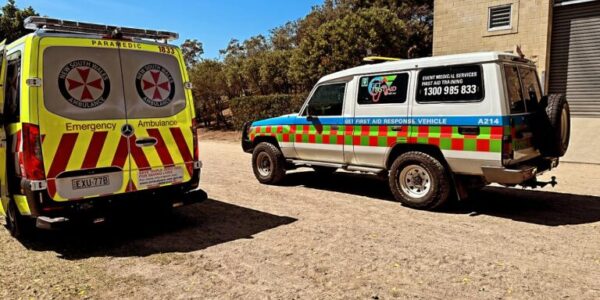
A career in health care suits people who want meaningful work, long-term job stability, and structured career progression at any stage of life. The industry offers multiple entry points, including vocational training pathways into emergency care, allied health, and paramedicine.
Health care is one of Australia’s largest and fastest-growing industries. An ageing population, expanding community services, and increasing demand for emergency response professionals continue to create employment opportunities across hospitals, ambulance services, aged care facilities, and community health settings.
If you are considering your first career, planning a career change, or returning to study, health care provides diverse options and clear progression pathways.
What Does a Career in Health Care Involve?
A career in health care involves supporting, treating, or coordinating care for individuals in clinical or community environments. Roles vary widely in responsibility, pace, and required qualifications.
There are four primary career avenues:
|
Sector |
Example Roles |
Work Environment |
|
|
Emergency & Paramedicine |
Paramedics, ambulance support roles |
Ambulances, field response |
|
|
Clinical & Hospital Care |
Nurses, patient care assistants |
Public and private hospitals |
|
|
Allied & Community Health |
Therapy assistants, disability support workers |
Clinics and community services |
|
|
Health Administration |
Medical reception, practice coordinators |
Medical facilities |
|
|
|
Patient transport officers, event medics, industrial medics |
Community, private sector, events, worksites |
Many people assume health care means becoming a doctor or nurse. In reality, dozens of roles provide hands-on patient interaction and strong employment prospects without requiring immediate university study.
5 Signs a Career in Health Care May Suit You
Health care aligns with people who demonstrate five core attributes:
- You want purpose-driven work. Health professionals directly improve quality of life.
- You remain calm under pressure. Emergency and clinical roles require steady decision-making.
- You communicate clearly. Patient care depends on accurate information exchange.
- You work effectively in teams. Most health environments operate collaboratively.
- You value stable employment. Health services remain essential across Australia.
These attributes matter more than previous experience. Many successful health professionals begin without a medical background and build competence through structured training.
Can You Start a Health Care Career at Any Age?
Yes. People begin health care careers in their 20s, 30s, 40s, and later through vocational pathways and structured progression.
Common entry points include:
- School leavers seeking a clear career direction
- Career changers transitioning from retail, trades, or corporate roles
- Parents re-entering the workforce
- Mature learners seeking meaningful second careers
Vocational training provides practical skills and nationally recognised qualifications. These programs build industry-relevant competencies without requiring a prior university degree.
How Do You Enter the Health Care Industry?
There are three structured pathways into health care in Australia:
|
Pathway |
Qualification Level |
Career Outcome |
|
Vocational Training |
Certificate or Diploma |
Entry-level clinical or support roles |
|
University Study |
Bachelor’s Degree |
Registered clinical professions |
|
Stacked Pathways |
Certificate → Diploma → Degree |
Long-term progression |
Vocational training is often the most accessible starting point. It provides foundational clinical knowledge, patient care skills, and exposure to real-world environments.
Stacked pathways allow students to begin with a Certificate qualification, gain employment or practical experience, and later progress into higher study. This staged approach reduces financial and academic barriers while maintaining long-term flexibility.
Paramedic Pathways: A Structured Emergency Career
Paramedicine is a specialised branch of health care focused on out-of-hospital emergency response. Paramedics assess, stabilise, and transport patients in critical situations.
This career path suits individuals who:
- Thrive in fast-paced environments
- Make decisions confidently under pressure
- Work effectively within structured emergency systems
- Communicate clearly in high-stress situations
A paramedic pathway typically includes:
- Foundational health qualifications
- Emergency response and patient assessment training
- Clinical skill development
- Progression into advanced paramedicine study
Beginning with a relevant health qualification builds practical knowledge in patient care, communication, anatomy, and emergency response principles. These foundations strengthen long-term progression into paramedicine or related emergency roles.
How AP College Supports Health Care and Paramedic Pathways
AP College delivers nationally recognised health care qualifications designed to create clear career pathways.
Key benefits include:
- Practical, industry-aligned curriculum
- Structured progression into paramedic pathways
- Flexible study delivery
- Career guidance and pathway planning
Students can begin with a Certificate qualification that develops core clinical and patient care competencies. These skills align with employment opportunities and further progression into advanced health or paramedicine study.
For students interested in emergency health careers, foundational health training provides structured preparation for paramedic pathways.
Explore our available Health Care Courses and structured career pathways.
Comparing Health Career Options
Understanding your preferred work environment helps determine the right pathway.
|
Career Focus |
Work Style |
Entry Path |
Growth Potential |
|
Emergency Response |
Fast-paced, field-based |
Vocational pathway |
High |
|
Clinical Support |
Patient-facing, structured |
Certificate or Diploma |
Moderate to High |
|
Community Health |
Client-centred |
Certificate |
High |
|
Health Administration |
Organised, office-based |
Cert III or IV |
Moderate |
Emergency and paramedic pathways involve dynamic environments and rapid decision-making. Clinical and community roles emphasise ongoing patient support. Administrative roles focus on coordination and system efficiency.
Each pathway contributes to the broader health system.
How to Decide If Health Care Is Right for You
Evaluate four practical factors:
- Do you prefer hands-on, people-focused work?
- Are you comfortable working within structured systems and protocols?
- Do you want nationally recognised qualifications that support long-term employment?
- Are you prepared to complete formal training to gain industry-ready skills?
Answering yes to most of these indicates strong alignment with a health care career.
Health care careers offer progression rather than fixed roles. Starting with a Certificate qualification can lead to supervisory roles, advanced study, or specialisation over time.
Is Now the Right Time to Start?
Health care remains one of Australia’s most stable industries. Demand spans emergency services, hospitals, aged care, and community support.
Beginning with a recognised qualification creates:
- Employable clinical skills
- Structured career progression
- Transferable credentials across Australia
- Clear pathways into paramedicine and related roles
Health care careers do not require starting at university. Vocational pathways provide practical entry and long-term flexibility.
If you are considering a career in health care, reviewing structured course options provides clarity and direction.
Explore Australian Paramedical College’s award-winning, nationally recognised courses and career pathways to determine your next step.