|
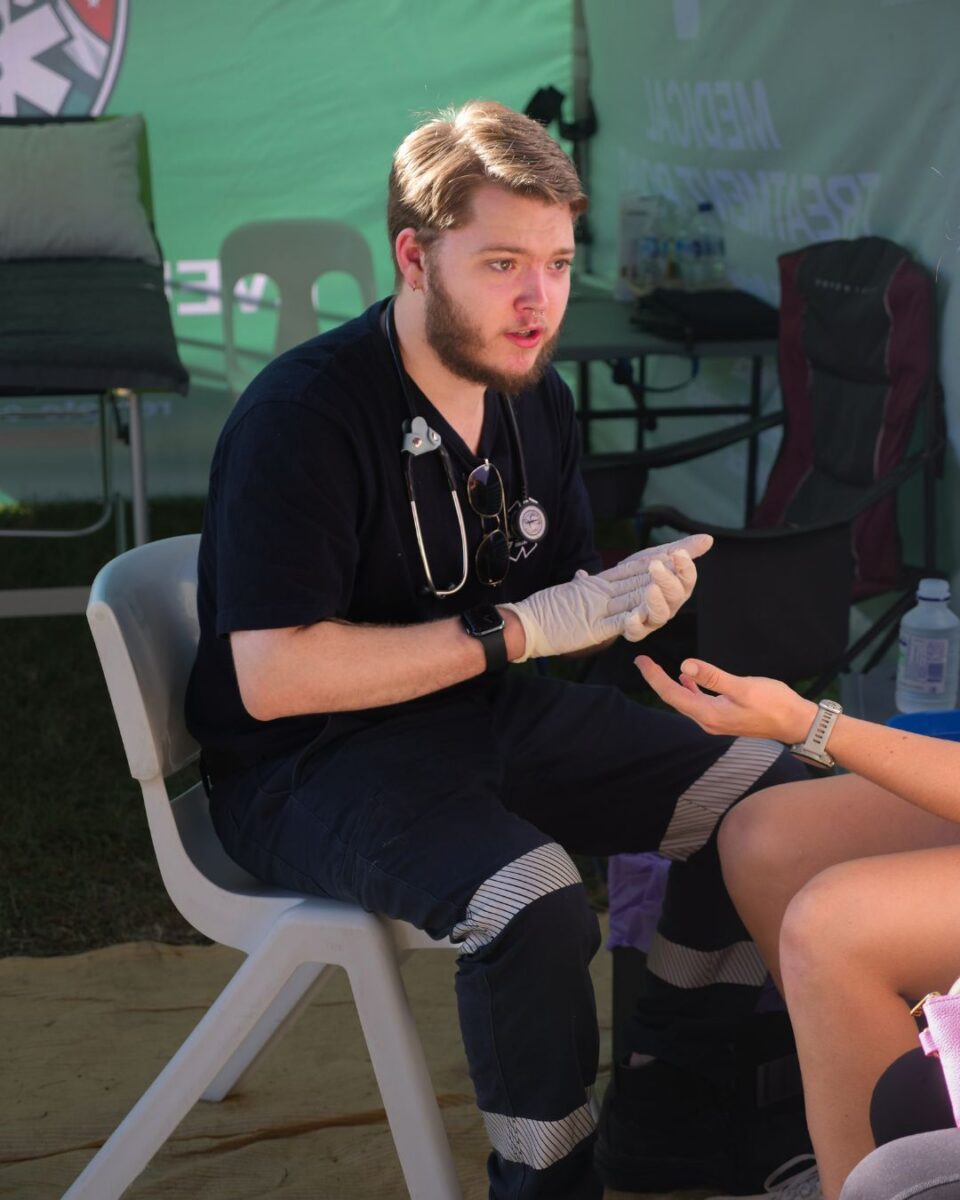
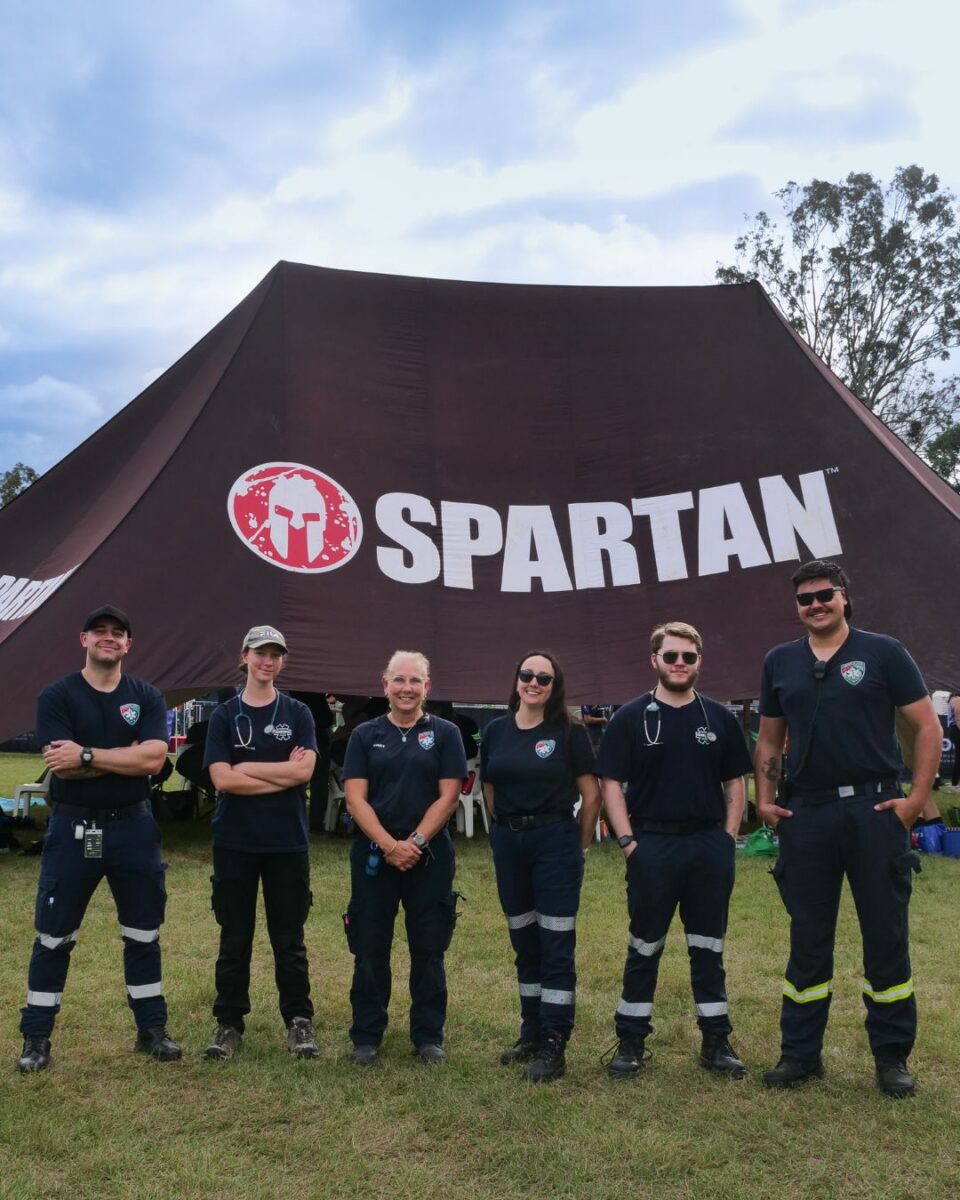
Classroom learning teaches you the theory and placement is where it actually clicks. For students working toward a career in emergency healthcare, the chance to apply skills in a real, unpredictable environment is often the difference between knowing the steps and knowing you can do the job. Owen Hall understands that better than most. A diploma student at Australian Paramedical College (APC), Owen has spent the past year and a half building toward a career in emergency healthcare – and a placement with Remote EMS at the Spartan Race in Ipswich, Queensland, gave him a firsthand taste of event medicine in action. His story is a practical look at how APC’s hands-on approach to healthcare training turns coursework into real-world capability. |
 |
Why Owen Chose a Career in Healthcare
For Owen, healthcare wasn’t a distant career idea, it was something he grew up around. With his mother and sister both working as nurses, he had a front-row seat to the profession long before he enrolled anywhere.
“I wanted to get into healthcare due to a big family background of it,” Owen says. He spent time working in a hospital alongside his sister during her new graduate year, watching the realities of patient care up close. That experience shaped what he wanted next, not nursing, and not a hospital ward, but a way to help people outside those walls.
That distinction matters. Plenty of school leavers and career changers are drawn to healthcare careers without knowing exactly which pathway suits them. Owen’s clarity about what he didn’t want, helped point him toward something more aligned with his interests in the field.
Finding the Right Healthcare Course
With a general direction in mind, Owen started researching medical and healthcare courses. As he puts it, he “didn’t really wanna do nursing,” so he widened his search to other study health care options that still led to genuine patient-facing work.
That research led him to Australian Paramedical College. After looking into the course structure and speaking with APC’s course advisors, he found a pathway that matched what he was after: A diploma with a strong focus on industry.
The HLT51020 Diploma of Emergency Health Care is built around exactly this gap in the market, a course for people who want emergency healthcare training without committing to a hospital-based nursing pathway from day one. For prospective students weighing up their options, Owen’s research process is a useful reminder that it’s worth looking past the obvious choices to find the course that actually fits your goals.
Learning at Australian Paramedical College
Once enrolled, Owen found the day-to-day learning experience matched what he’d been looking for. He’s quick to credit APC’s training and assessment team for creating a supportive environment built on genuine engagement rather than rigid assessment.
“I’m a big fan of the instructors,” he says. “They want to answer our questions, and they answer everything as best as they can, giving us feedback. It’s as if they actually want us to pass.”
For Owen, that approach felt “more of a mentorship than them being an assessor” – a meaningful difference for students who learn best through guidance rather than pressure.
He’s equally generous in his praise for APC’s student support team, describing “a lot of great conversations and really helpful advice” throughout his studies – particularly when it came to organising his placement.
That kind of practical, ongoing support is a core part of the APC student experience, helping students move from enrolment to real industry exposure without navigating the process alone.
Real-World Placement with Remote EMS
This is where Owen’s story really comes to life.
Event medic roles are exactly what it sounds like: providing on-the-ground medical care at sporting events, festivals, and community gatherings, often with limited resources and a fast-changing environment. It’s a valuable training ground for students because it demands the same core skills as broader emergency healthcare work – patient communication, calm decision-making, and practical clinical care – but in a setting that’s accessible to students still building their confidence.
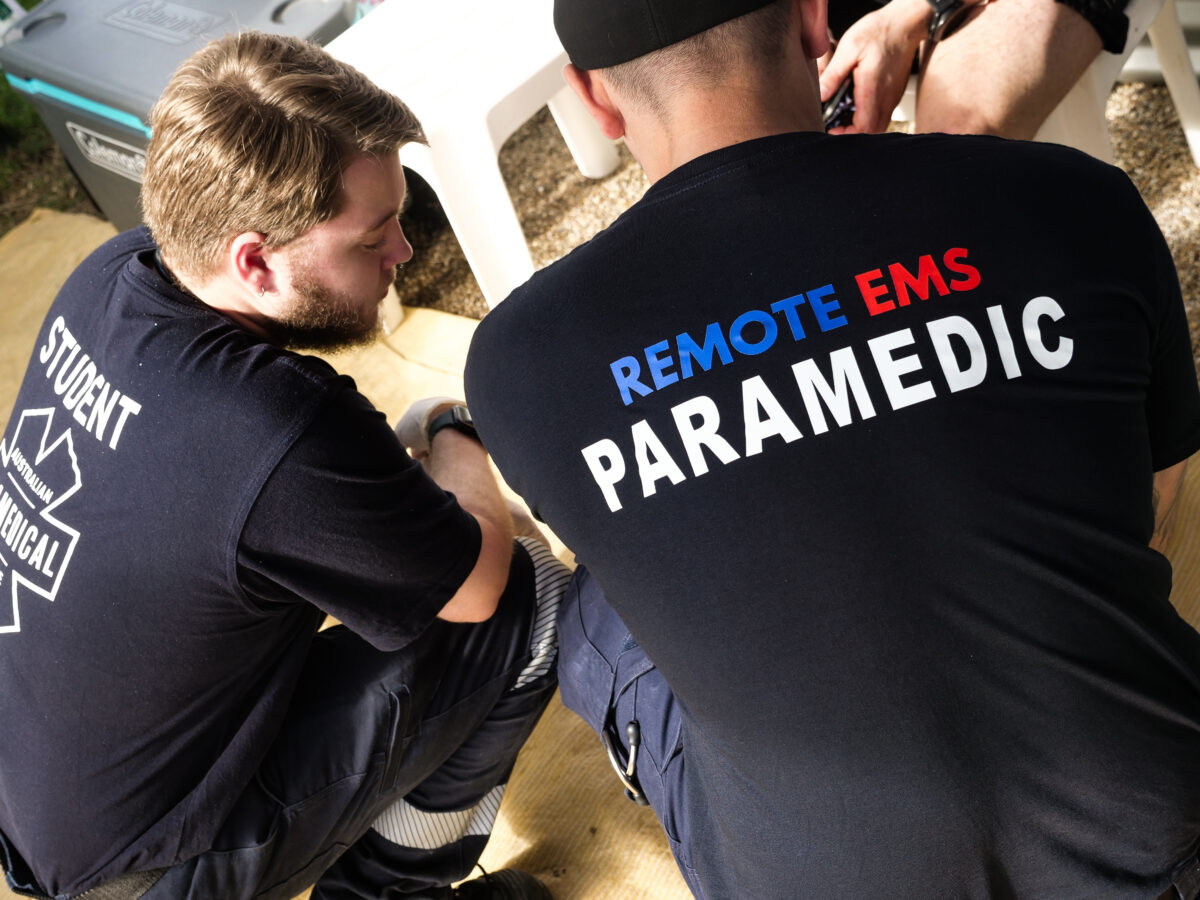
Owen’s placement provider, Remote EMS, gave him exactly that kind of graduated exposure. Rather than being thrown into a high-pressure event from the outset, he started with smaller events first. “These guys have really taken me in, given me the exposure,” he says. “I did some small events and nailed down some skills first, and I feel a lot more confident because of that.”
That confidence showed up in tangible ways. Owen describes being able to “take that initiative to just talk to a patient that wants to stumble into the medical tent” – a clear marker of the kind of patient communication skills that healthcare placements are designed to build. He also gained hands-on experience with minor wound care, which proved directly relevant at the Spartan Race Ipswich event, where obstacle-course activities involving grip strength and climbing led to a steady stream of related injuries. Working alongside experienced clinicians in that environment let Owen apply his training in real time, while still having support on hand.
For students considering an APC placement, Owen’s experience is a useful preview of what a healthcare placement with an event medical services provider can look like in practice – supportive, progressive, and genuinely skill-building.
How Placements Prepare Students for Healthcare Jobs
Owen’s placement story reflects something bigger than one student’s experience: it’s a window into how practical exposure shapes employment readiness across the healthcare sector.
Placements like this one give students:
- Industry exposure to how care is actually delivered outside a classroom setting
- Skill development in patient communication, clinical assessment, and minor treatment
- Professional confidence that only comes from handling real situations
- Networking opportunities with clinicians and providers already working in the field
- Employment readiness that makes the move from student to paid healthcare roles less daunting
This is part of why APC places such a strong emphasis on practical healthcare training alongside classroom instruction. Theory provides the foundation, but it’s the placement experience – and the support to arrange it – that turns a paramedicine pathway from a qualification on paper into genuine career capability.
Looking Ahead: A Future in Paramedicine
Owen’s path doesn’t stop at the diploma. “When I finish, the plan is a bachelor,” he says. “I definitely wanna do my paramedicine.” His placement experience has also given him a genuine appetite for event medic work specifically: “I’m really liking the event medicine, so it’s probably something I’ll stick with for as long as I can too.”
That combination – a clear long-term goal in paramedicine, paired with a practical interest in event medical services – is exactly the kind of outcome APC’s training pathway is designed to support.
Final Thoughts
Owen’s journey from family-inspired interest in healthcare to confident event medic in training shows what’s possible when structured study meets genuine, hands-on placement experience. APC’s combination of supportive instructors, dedicated student support, and strong placement partnerships like Remote EMS gives students a realistic, well-supported route into emergency healthcare work – whether that’s at events like Spartan Race Ipswich or further along a paramedicine career.
Watch Owen’s student placement experience to hear his story in his own words, and if his journey sounds like the kind of pathway you’re after, explore the HLT51020 Diploma of Emergency Health Care course page to see how APC can help you get started.
Frequently Asked Questions
What is the HLT51020 Diploma of Emergency Health Care? The nationally recognised Diploma offered by Australian Paramedical College prepares students for rewarding careers in emergency and pre-hospital healthcare. It opens the door to a range of roles, including First Responder, Event Medic, and Patient Transport Officer, while also providing a valuable pathway to further education, such as a Bachelor of Paramedicine.
What does an event medic actually do? An event medic provides on-the-ground medical care at events such as sporting competitions, festivals, and community gatherings – covering everything from minor wound care to patient assessment and communication, often as part of a small on-site team.
Do I need a healthcare background to study healthcare with APC? No. While some APC students, like Owen, come from healthcare-adjacent backgrounds, the HLT51020 Diploma of Emergency Health Care is designed as its own pathway, for people who want to work in the emergency healthcare industry.
How does APC support students with finding a placement? APC’s student support team helps connect diploma students with placement providers, such as Remote EMS, and offers guidance throughout the process – from arranging placements to answering questions as students build their practical skills.
Can a healthcare placement lead to a paid healthcare job? Yes. Placements give students real industry exposure, practical skills, and professional networks with clinicians and providers, all of which improve employment readiness and can lead directly into healthcare jobs or further study.