How to Become an Event Medic in Australia
If you’re considering a career change into healthcare but don’t want to commit to years of university study before you’ve even worked a single shift, Event Medic roles are worth a serious look. It’s one of the few healthcare careers in Australia you can move into directly from an unrelated job, with no prior clinical experience, in well under two years.
This guide is built for exactly that situation and covers what an Event Medic does, the qualifications and timeline involved, what you can expect to earn, and how the transition actually works in practice.
What is an Event Medic?
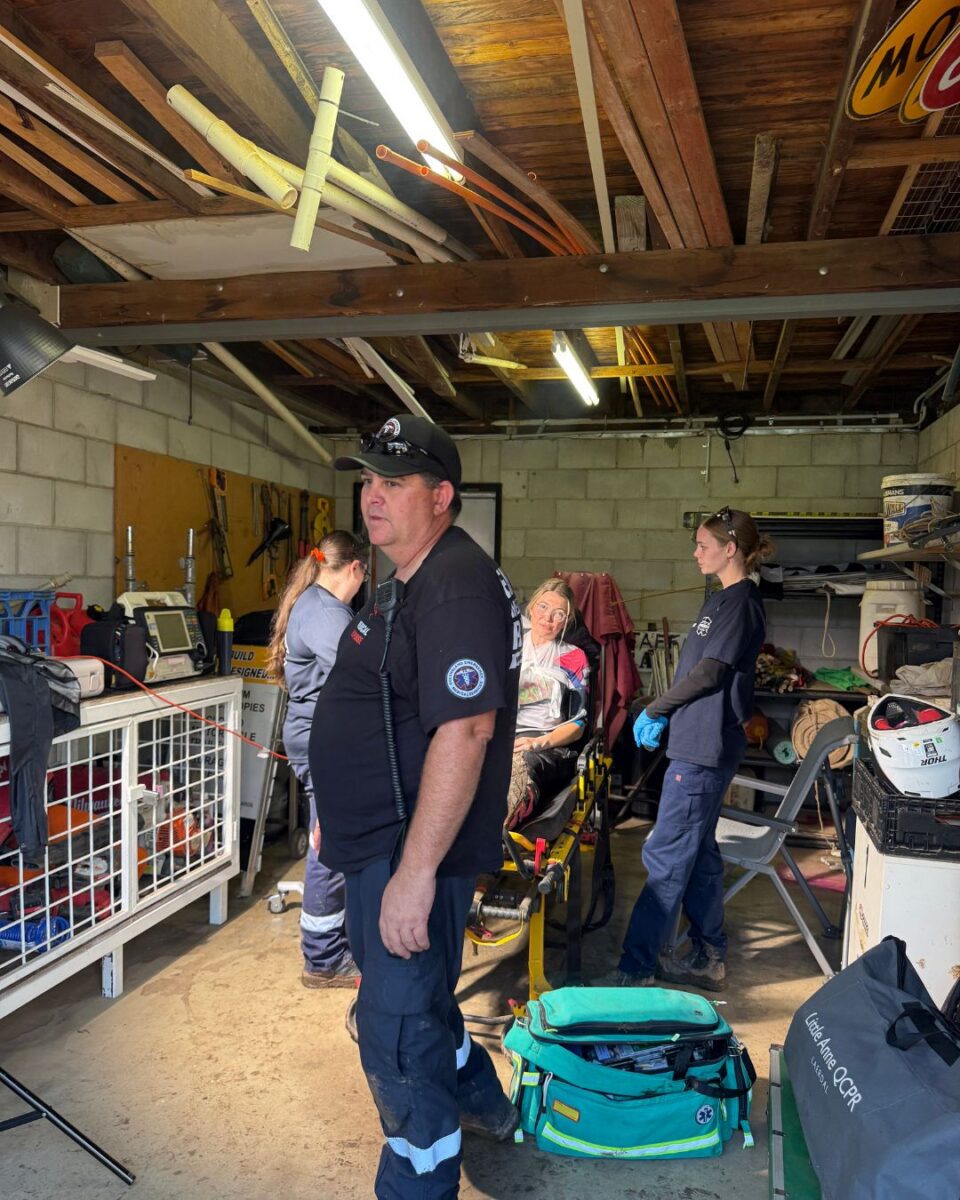
An Event Medic is a qualified first responder who provides on-site emergency healthcare at public events. The role goes well beyond basic first aid. Event Medics often assess, stabilise and treat patients, and are licensed to administer a defined range of medications in the field. This often resolves situations on the spot that would otherwise require an ambulance trip to hospital.
For event organisers and attendees, having a trained medic on-site means faster response times and one less thing to worry about if something goes wrong.
 |
 |
Where Event Medics Work
Event Medic jobs span a wide range of settings, including:
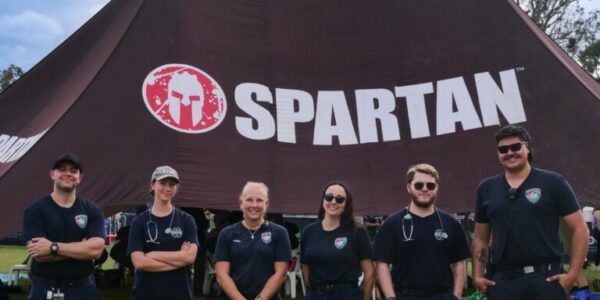
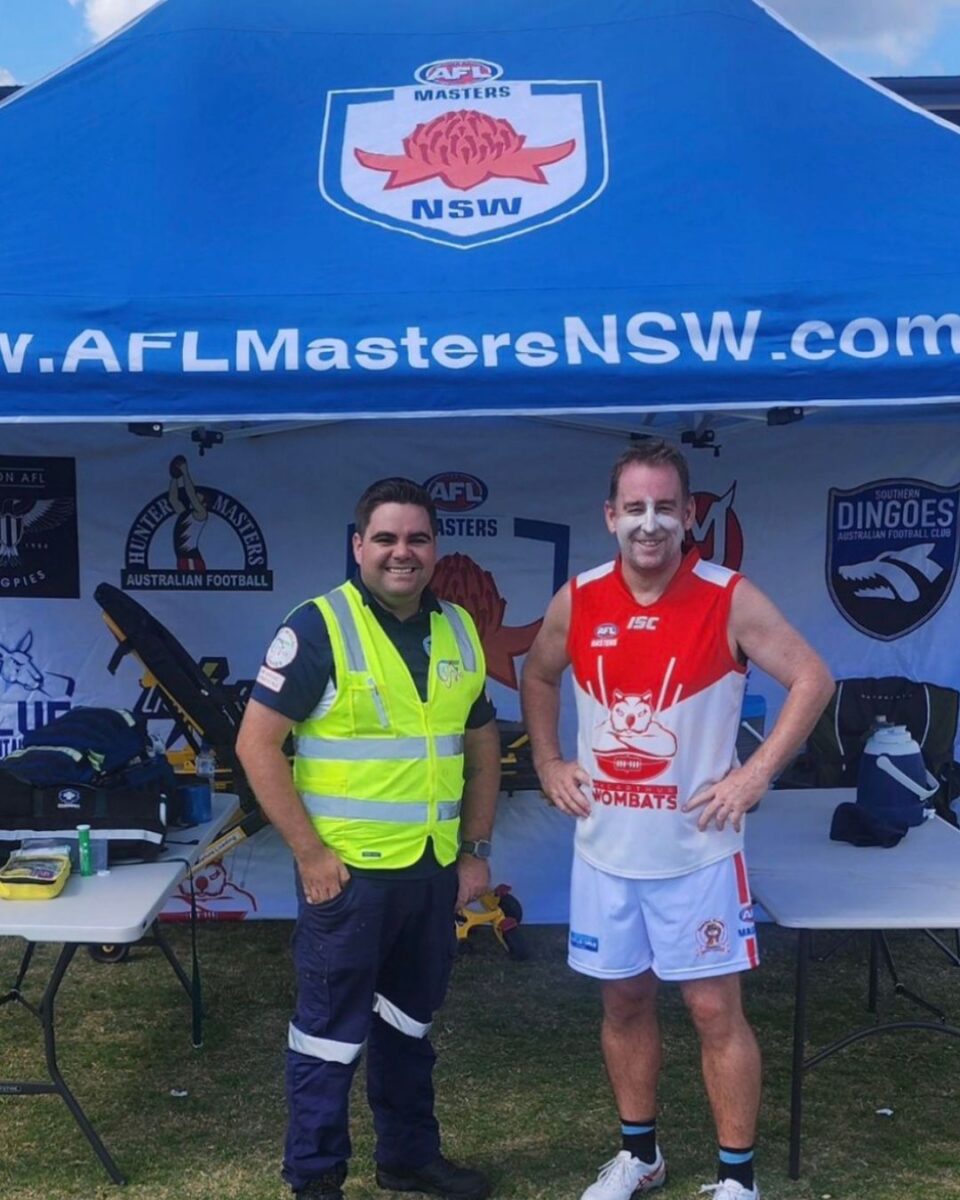
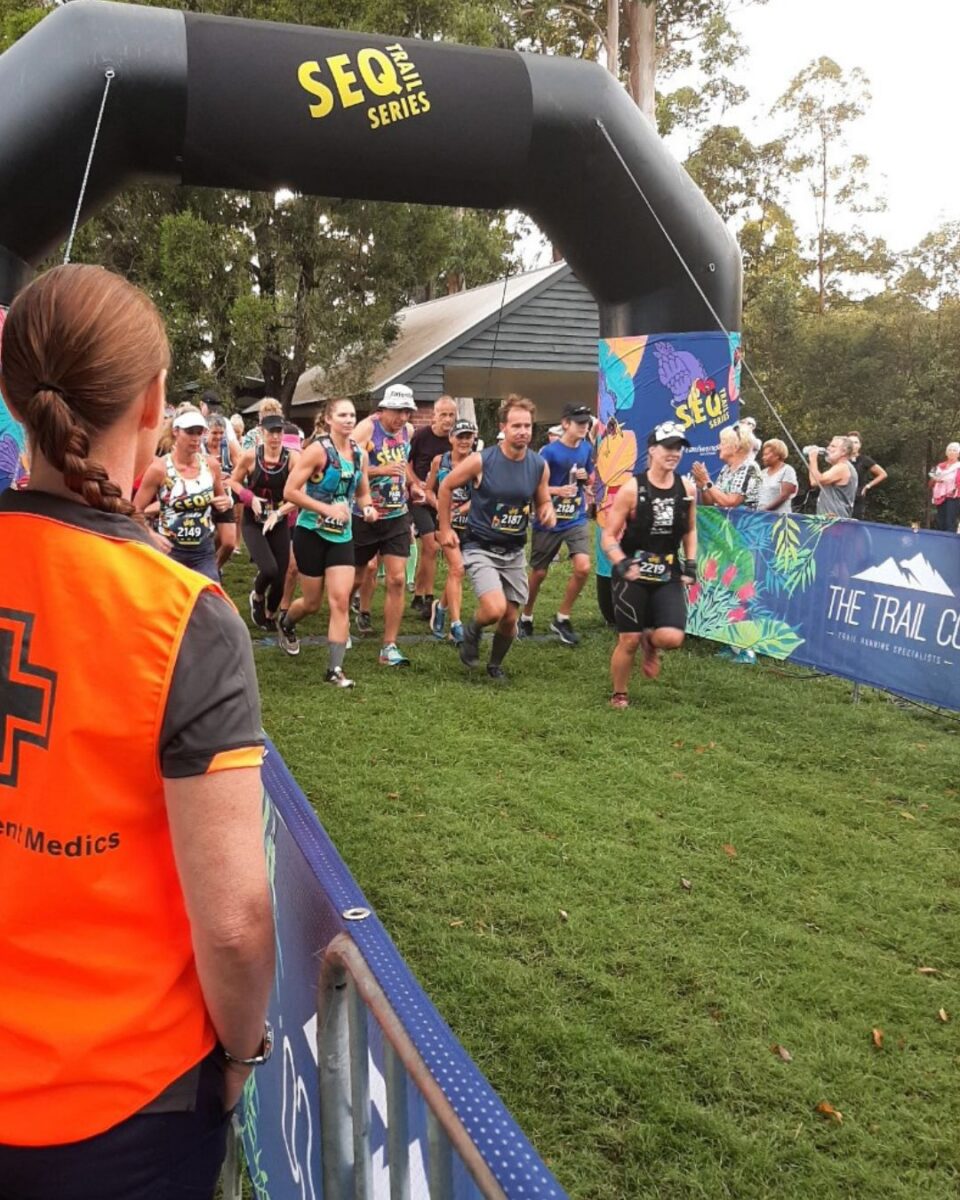
- Sporting events, fun runs and obstacle races (such as: SPARTAN Race, Husqvarna Women’s Trail Ride, 5k Foam Fest, AFL Masters NSW)
- Concerts, music and dance festivals (events like: Bigsound, Bluesfest, Listen Out)
- Exhibitions and conferences (example: Brisbane Truck Show, Oz Comic-Con, Fine Food Australia)
- Agricultural shows and community fairs (example: Ekka, Toowoomba Royal Show, local fairs)
- Motorsports, equestrian events and horse racing (example: Bathurst 1000, Melbourne Cup, rodeos)
- Parades and commemorative services (example: ANZAC Day marches, Remembrance Day services)
- Film and TV production sets (example: film shoots, TV series, commercials)
- School fetes and sports carnivals (example: athletics carnivals, swimming carnivals, school fetes)
Typical Event Medic Duties
What an Event Medic deals with on any given shift depends on the event and crowd size.
At a large-scale sporting fixture, the case load can shift hour to hour.
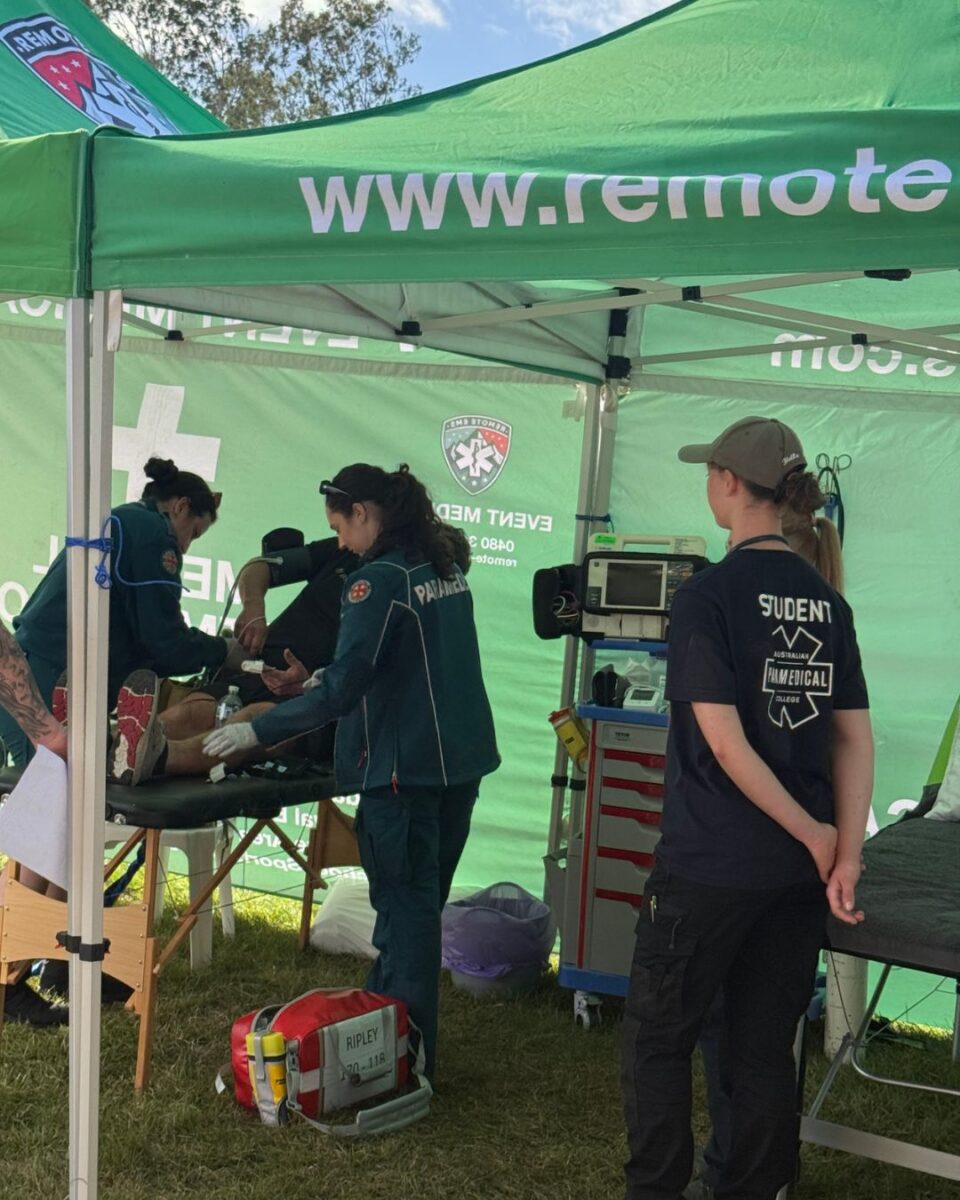
Common scenarios include:
- Heat exhaustion and fatigue
- Anaphylaxis and allergic reactions
- Blisters, sprains and minor trauma
- Cardiac arrest requiring life support
- Major trauma requiring rapid assessment
 |
 |
Event Medic Skills and Qualities
A qualification gets you in the door, but the medics who do well in this line of work tend to have a few things in common beyond their training:
Communication
Event Medics work alongside patients, event staff, security and sometimes ambulance crews, often in noisy, high-stress conditions. Building trust quickly is incredibly important.
Decision-making under pressure
You’re assessing symptoms and choosing a treatment path fast, frequently with limited information and no one to check with.
Composure in unpredictable environments
Crowds, time pressure and constantly changing scenarios are standard for this role, not the exception.
Event Medic Qualifications: How to Get Started
One of the biggest advantages of this career path is that you don’t need a university degree to start working as an Event Medic. It’s one of the most direct routes into Australia’s private pre-hospital care sector.
A HLT41120 Certificate IV in Health Care is the minimum qualification generally required for entry-level Event Medic roles, giving you the foundational clinical skills to start working in the field. Most students complete this within 12 to 18 months, studying part-time alongside work.
A HLT51020 Diploma of Emergency Health Care builds on that with more advanced clinical knowledge, including assessment and treatment skills closer to those used by Advanced Life Support medics. For Event Medic roles at larger or higher-profile events, holding the Diploma can be a real point of difference when applying, and it’s also the stronger option for anyone considering a future move into paramedicine.
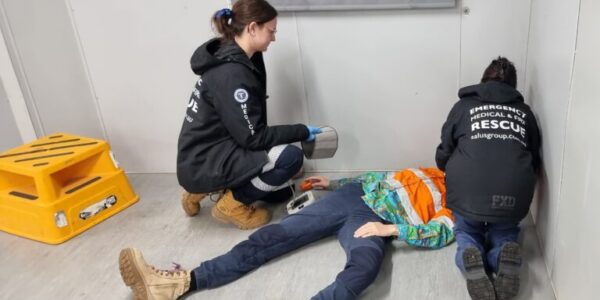
Both courses use a blended study model with online theory you can fit around work and family, plus hands-on Clinical Workshops using the same equipment you’ll use in the field, including stretchers, training ambulances and defibrillators. Workshops run out of campuses in New South Wales, Victoria, Queensland and Western Australia, with placement opportunities extending well beyond those states through APC’s industry partner network.
Why Clinical Placement Matters for Event Medic Jobs
A qualification alone doesn’t make a confident medic, real-world experience does.
That’s why clinical placement is built into APC’s emergency healthcare courses, not treated as optional. Working under real conditions alongside experienced medics is where classroom theory turns into instinct on the day.
It’s also where a lot of students land their first paid Event Medic role. APC partners with any industry organisations across Australia and New Zealand, covering event medical response, patient transport, mining and industrial sites. This allows APC to connect students with placement and employment opportunities.
Find out more about some of our industry partners / placement providers:
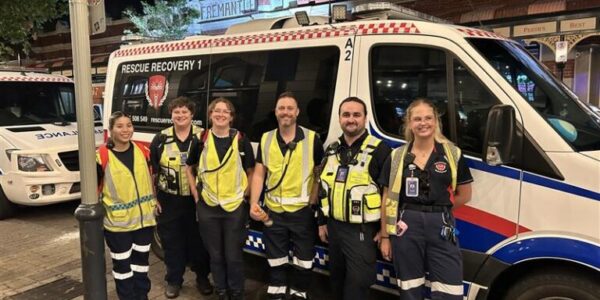
- Rescue Recovery One
- Get First Aid
- QEMS (Queensland Event Medical Services)
- Remote EMS
- Event Medical Team
- Event Medical Plus
- Sport and Event Medics
- Emergency Medical Response
Demand for event medical coverage is particularly strong in Queensland, Victoria and New South Wales, where large-scale sporting and festival calendars run year-round, though opportunities exist nationally. Many of these partners go on to hire APC students directly, based on the standard of training and how prepared they are once placement starts.