Re-published 19th January, 2026
Ambulance Victoria (AV) is the primary provider of emergency medical services across the state of Victoria, delivering high-quality patient care from more than 260 response locations. It recruits people into a range of clinical and support roles, from frontline paramedics to first responders and business functions that keep the service operating smoothly.
Whether you dream of becoming a paramedic, serving your community as a first responder, or joining the health system in a support role, this guide breaks down the key opportunities, requirements and realistic pathways — including where vocational education like APC’s courses can fit in.
About Ambulance Victoria and Its Workforce
Ambulance Victoria delivers urgent care and emergency response services across urban, regional and rural Victoria. Its workforce includes:
- Paramedics who respond to emergencies, administer clinical care and make medical decisions.
- First responders who support emergency response in local communities, particularly in regional areas.
- Business and support staff who underpin operations, technology, administration and strategy.
Together, these roles ensure AV can deliver effective patient care and organisational support around the clock.
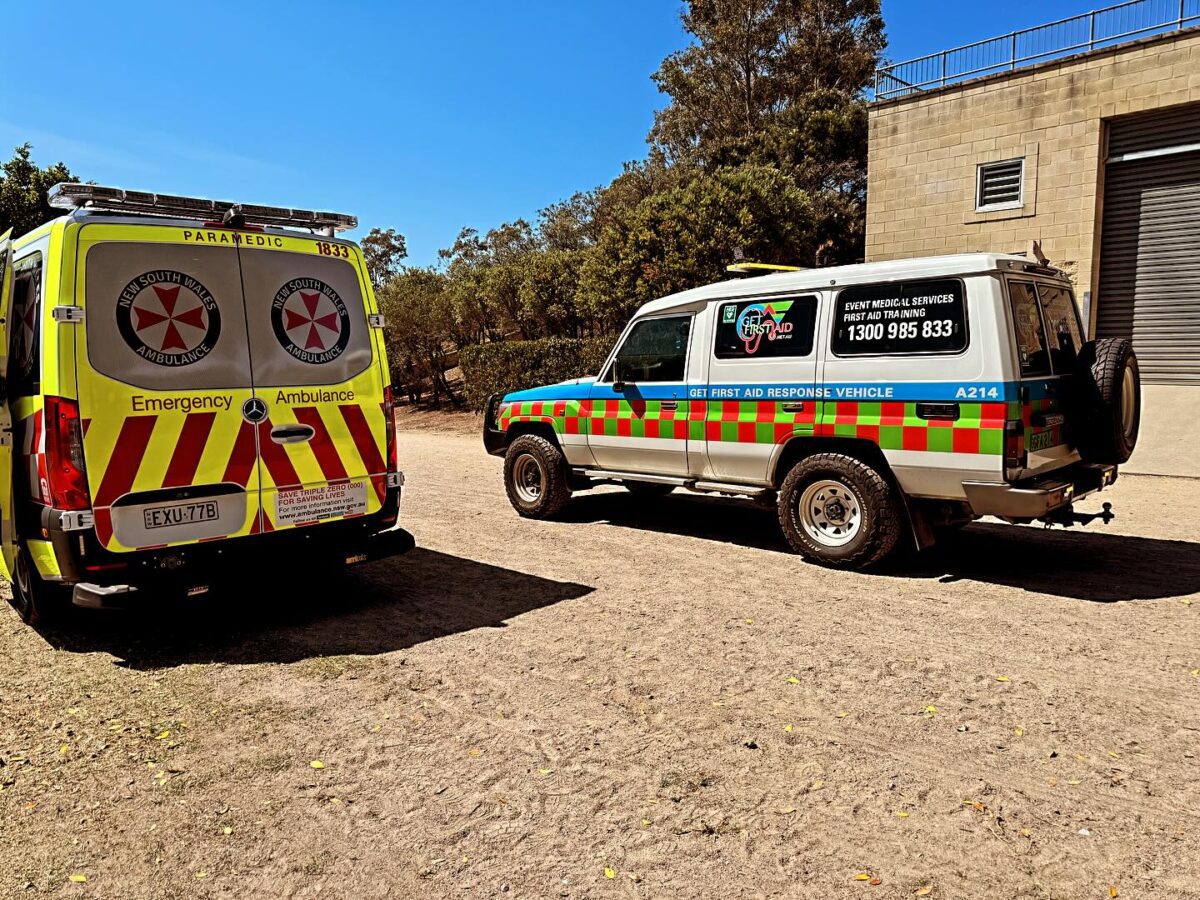
Paramedic Roles at Ambulance Victoria
Graduate Ambulance Paramedic
Graduates from an accredited paramedicine degree can apply for the Graduate Ambulance Paramedic program, a structured entry role that integrates education with on-road experience as you transition toward a fully qualified paramedic role. Recruitment typically involves submitting academic transcripts, licences and meeting eligibility criteria.
Qualified Ambulance Paramedic
Registered paramedics hold advanced life support scopes of practice. They respond to a full range of emergency calls — from trauma and cardiac events to medical emergencies — making decisions about treatments and patient transport destinations.
Specialist Paramedic Roles
Ambulance Victoria also recruits specialist clinicians, including Mobile Intensive Care Ambulance (MICA) paramedics, who deliver advanced clinical interventions for high-acuity patients statewide.
First Responder and Community Support Roles
Ambulance Victoria’s careers page highlights opportunities for people who want to support emergency response without being registered paramedics. These include:
Ambulance Community Officers (ACOs) and CERTs
First responders such as Ambulance Community Officers and Community Emergency Response Teams (CERTs) support AV’s emergency medical response — especially in rural and regional communities.
First responder training includes basic emergency care, supervised practice, driver training, workshops and ongoing support. They help deliver care to patients while waiting for clinician-level resources.
- Training involves completion of a Certificate-level qualifications.
- Responders typically commit a rostered minimum number of hours per month.
- Support for mental wellbeing and ongoing education is provided.
These roles are valuable for community impact and personal development, though they are voluntary and not equivalent to registered paramedic jobs.
Business and Support Roles Within Ambulance Victoria
Ambulance Victoria also employs people in non-clinical capacities that support emergency response operations. These include careers in:
- Business technology and programs
- People and culture (HR)
- Enterprise services and administration
- Quality, clinical innovation and strategy
- Specialist operations and coordination
- Communications and stakeholder engagement
These positions do not involve direct patient care but are essential to AV’s ability to operate a 24/7 emergency health service. They tap into skills in project management, data, finance, HR and more.
Where APC Qualifications Fit In
Vocational healthcare training, such as APC’s Certificate III in Non-Emergency Patient Transport, Certificate IV in Health Care, and Diploma of Emergency Health Care, do not make you eligible to work as a paramedic with Ambulance Victoria (AHPRA registration is required). However, they do help you:
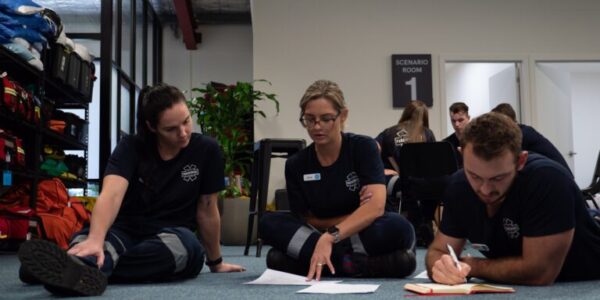
- Develop clinical understanding relevant to emergency care settings.
- Gain patient-facing experience valued by healthcare recruiters.
- Build capabilities that support entry to first responder or allied roles.
- Prepare academically and practically for further study such as a paramedicine degree.
While Ambulance Victoria’s official careers pages require specific qualifications for each role, healthcare-related training strengthens your readiness for allied health and transport roles that operate in the broader emergency system.
Realities of Paramedic Recruitment
Securing a paramedic position with Ambulance Victoria can be competitive, particularly at the graduate level. AV continues to recruit graduates and qualified paramedics, but intake availability fluctuates over time.
Recruitment processes often include:
- Submission of academic transcripts and proof of qualifications
- Licence and health/fitness requirements
- Psychometric or selection assessments
For some applicants, especially recent paramedicine graduates, positions may be highly competitive and involve consideration of regional postings.
Alternative Pathways and Experience Building
If paramedic employment with Ambulance Victoria is your long-term goal but you’re not yet eligible or competitive, consider:
- Completing vocational healthcare qualifications
- Gaining experience in first response roles or transport services
- Pursuing a Bachelor of Paramedicine or related degree
- Volunteering or working in allied healthcare environments
These experiences build professional maturity, clinical confidence and sector familiarity — all advantages when pursuing ambulance careers.
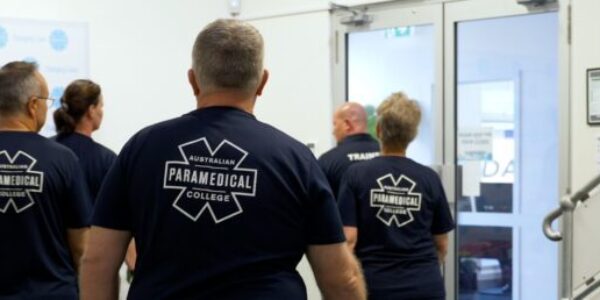
About Australian Paramedical College (APC)
Australian Paramedical College (APC) is a nationally recognised Registered Training Organisation delivering vocational healthcare education across Australia.
APC offers programs including:
- HLT51020 – Diploma of Emergency Health Care
- HLT41120 – Certificate IV in Health Care
- HLT31120 – Certificate III in Non-Emergency Patient Transport
These qualifications provide structured learning in patient care, clinical fundamentals and professional healthcare practice that can support your broader career development — including aspirations connected to emergency and pre-hospital care.
Final Word
Working with Ambulance Victoria — whether as a paramedic, first responder or support officer — requires the right qualifications, mindset and commitment to community health. Understanding the role requirements, recruitment realities and allied pathways gives you clarity on how to plan your career in emergency healthcare with purpose and confidence.