Course Overview
What you’ll learn
This nationally recognised qualification will give you the skills to deliver pre-hospital care in a range of emergency healthcare roles, or put you on the pathway to becoming a paramedic.*
The moments when patients require emergency care are often some of the most vulnerable they’ve ever experienced. This diploma will give you the skills to assess the situation, put the patient at ease and deliver exceptional care.
Whether you’ve worked in healthcare previously or are dreaming of moving into a rewarding career in emergency response, this course will allow you to fit your studies around your schedule to reach your next career goal.
How it works
- Flexible online study and expert guidance from trainers who are qualified and experienced medics and paramedics.
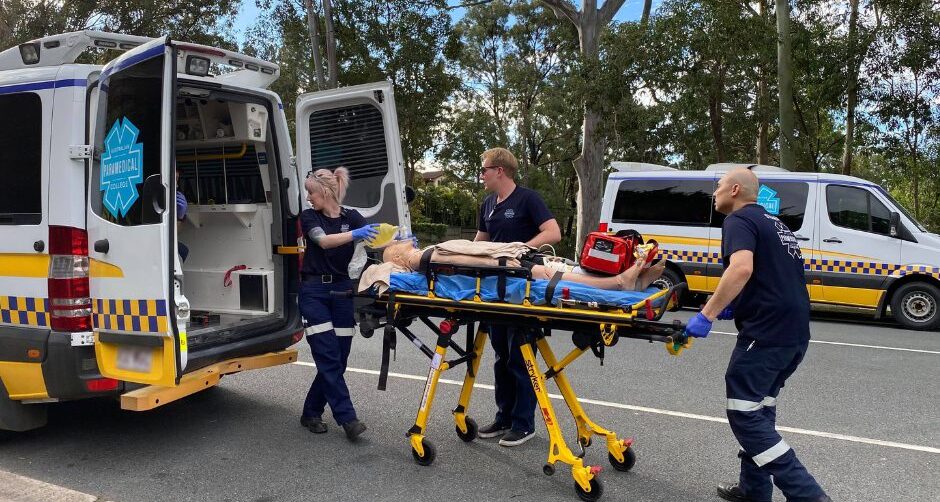
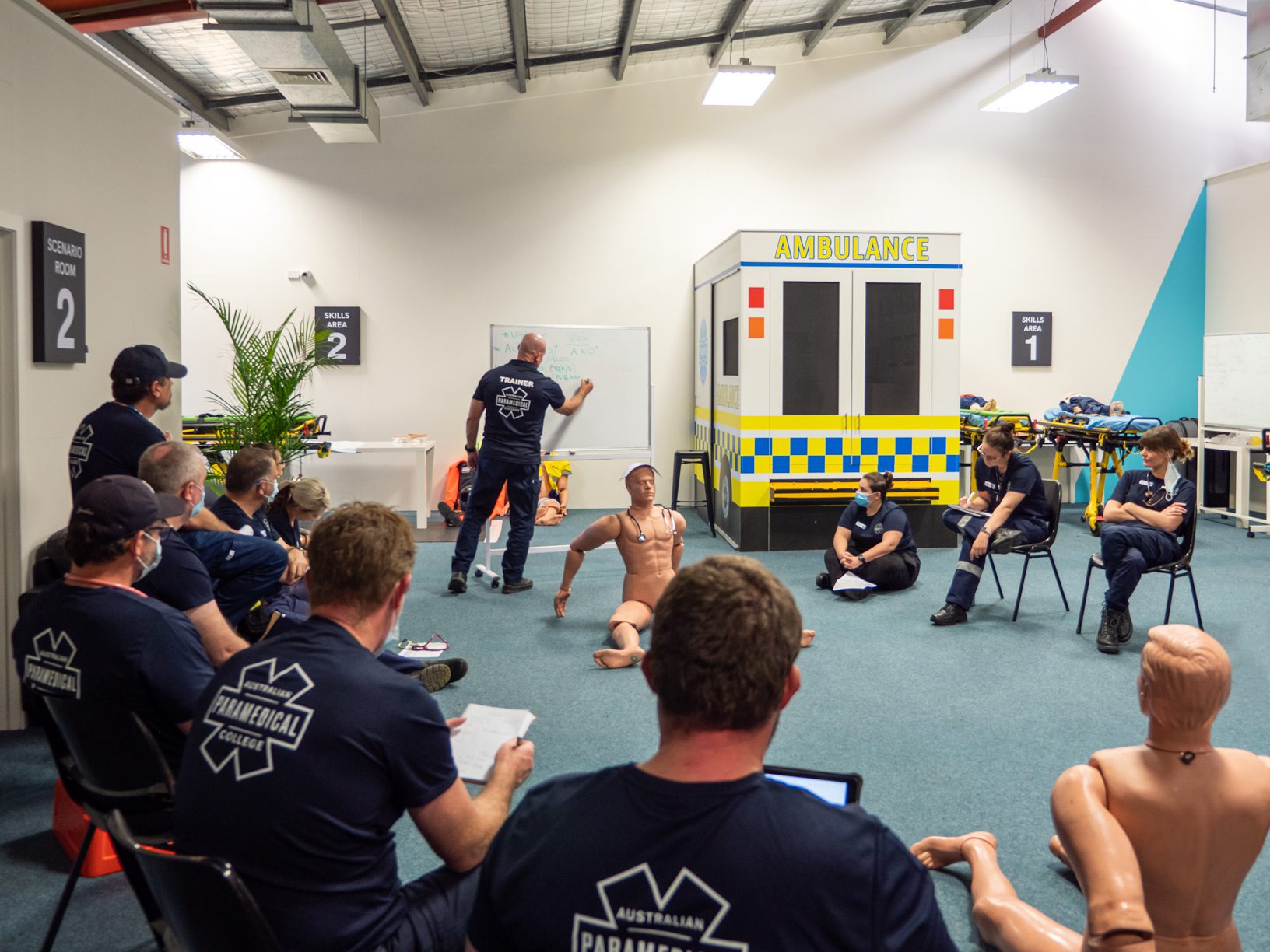
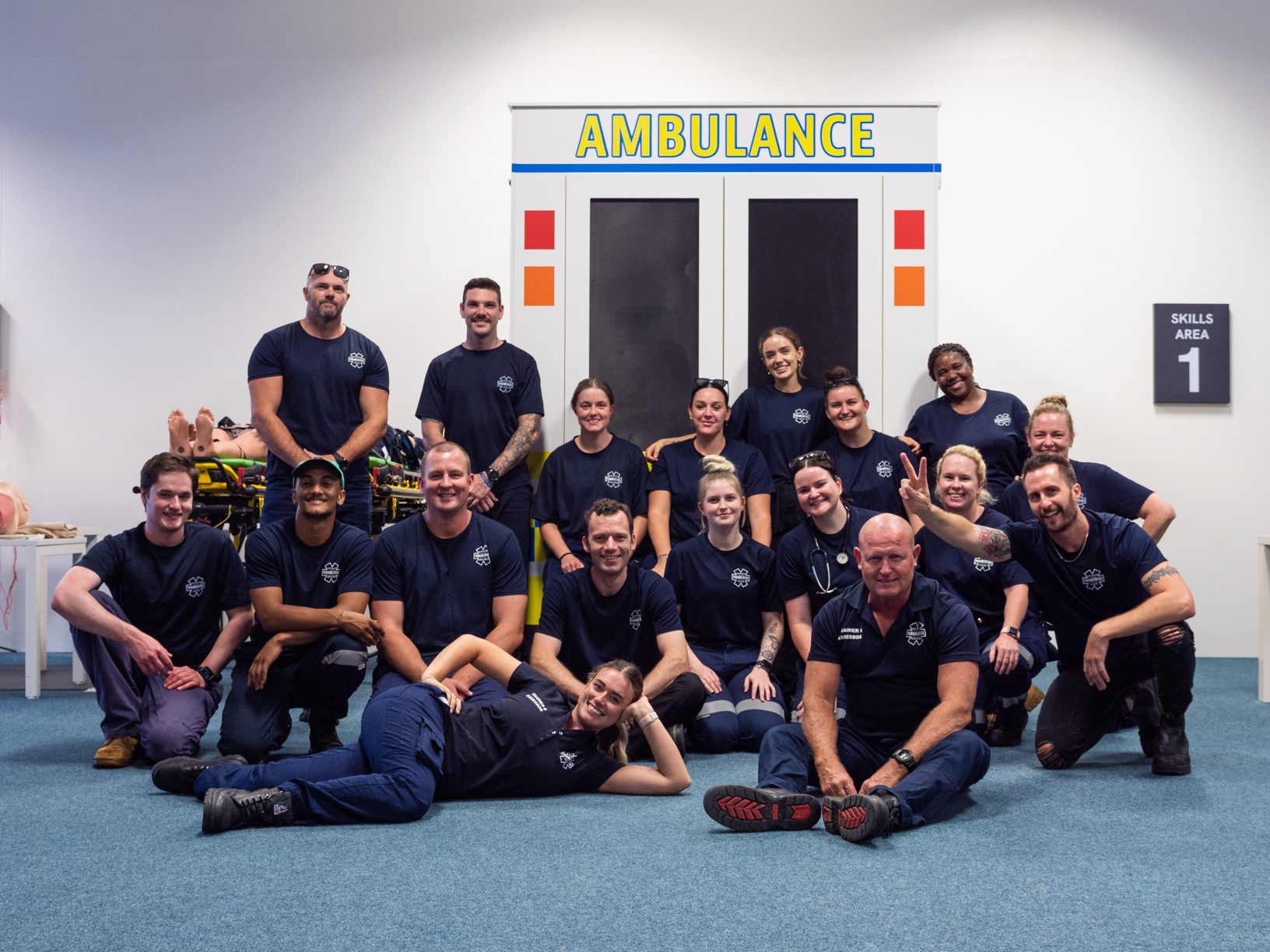
- 2 x 5-day clinical workshops, at our NSW, VIC, QLD, or WA campus locations where you’ll apply your learning in a practical, hands-on environment.
- 160 hours of clinical placement with our industry-leading partners like St John, Medical Edge, and other trusted employers across Australia and New Zealand.
Flexible study
Choose your own schedule and fit study into your lifestyle or work roster
Quality education & training
Developed by industry-trained and qualified healthcare experts
Supportive community
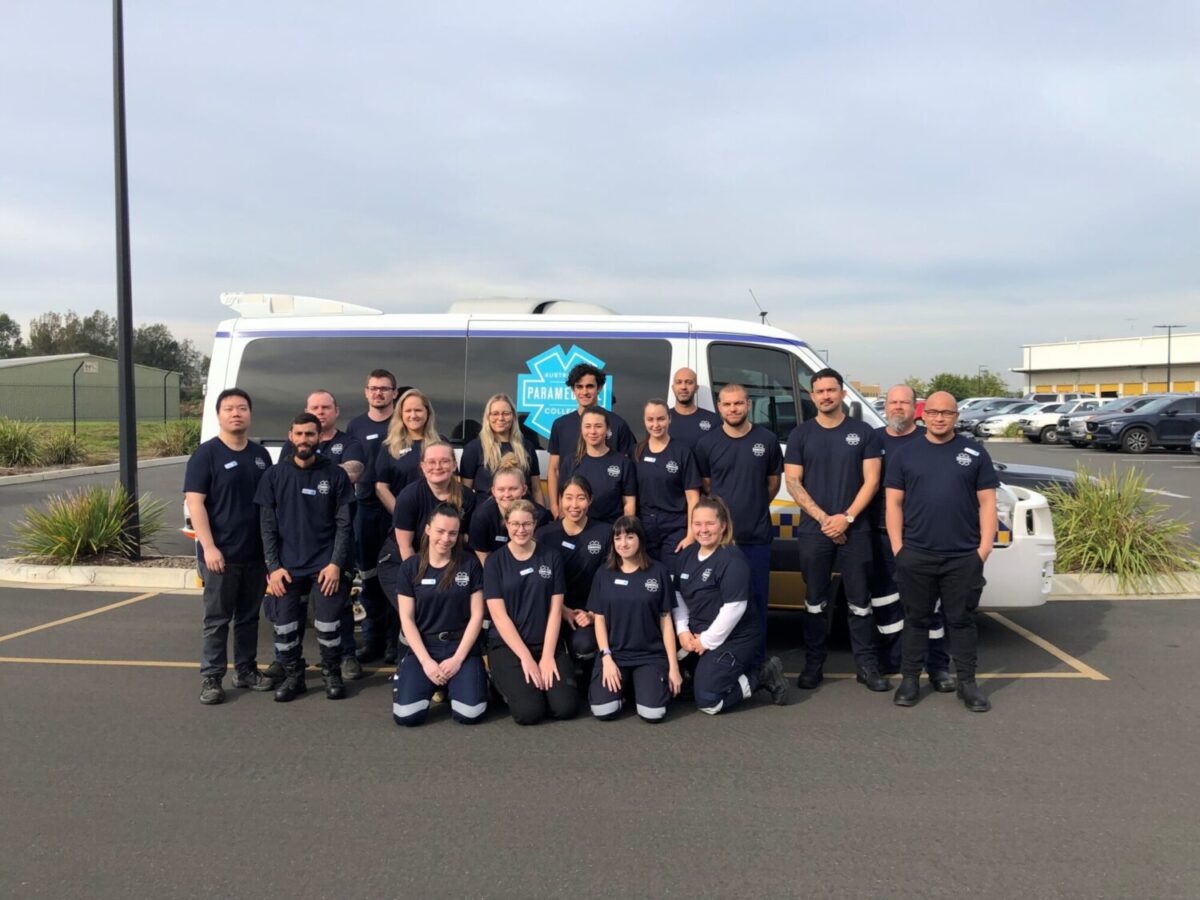
Learn alongside and be supported by your peers and APC’s dedicated team who are committed to helping you
Overview
Location
Delivery mode
Course duration
(may reduce depending on study load)
Upcoming intake
Why choose a career in Emergency Healthcare?
Australia’s demand for qualified emergency health professionals is growing rapidly — and so are the opportunities to make a meaningful impact.
Emergency healthcare offers a dynamic, hands-on career path where no two days are the same. Whether you’re responding to critical incidents, supporting patients during medical transport, or delivering clinical care in high-pressure situations, your work directly influences patient outcomes.
Graduates of the HLT51020 Diploma of Emergency Health Care go on to work in vital roles such as First Responder, Event Medic, Emergency Services Officer (ESO), Patient Transport Officer, Emergency Medical Technician (EMT), and more — with the option to use the qualification as a stepping stone to university.
This nationally recognised course combines flexible online learning with immersive workshops and professional clinical placements, giving you the skills and confidence to work across a wide range of environments — from sporting events and urban areas to mining sites and remote communities.
If you’re ready to step into a rewarding, fast-paced career where your actions truly matter, emergency healthcare could be your calling.
Is this course right for you?
If you’re looking for a career that combines critical thinking, teamwork, and hands-on clinical skills — and you thrive under pressure — this could be the perfect starting point.
This course is an ideal fit for:
-
Newcomers to healthcare who want a practical qualification that gets them job-ready sooner
-
Aspiring paramedics seeking a strong foundation before entering university
-
Current healthcare workers or emergency responders looking to expand their scope of practice
-
Career changers driven to make a real impact through emergency response
-
Those who value flexible online study, but also want real-world training and placement
-
Individuals seeking roles like ESO, Event Medic, PTO, or Ambulance Attendant
-
People who want to build advanced clinical capabilities
-
Didn’t achieve a high ATAR and want to explore healthcare without committing to a full degree
*This course is not designed for those wanting to become a registered Paramedic immediately upon graduation — in Australia, that requires a Bachelor of Paramedic Science and AHPRA registration. However, this Diploma can provide the experience, skills, and industry connections to help you gain employment in related roles and support your transition to university.


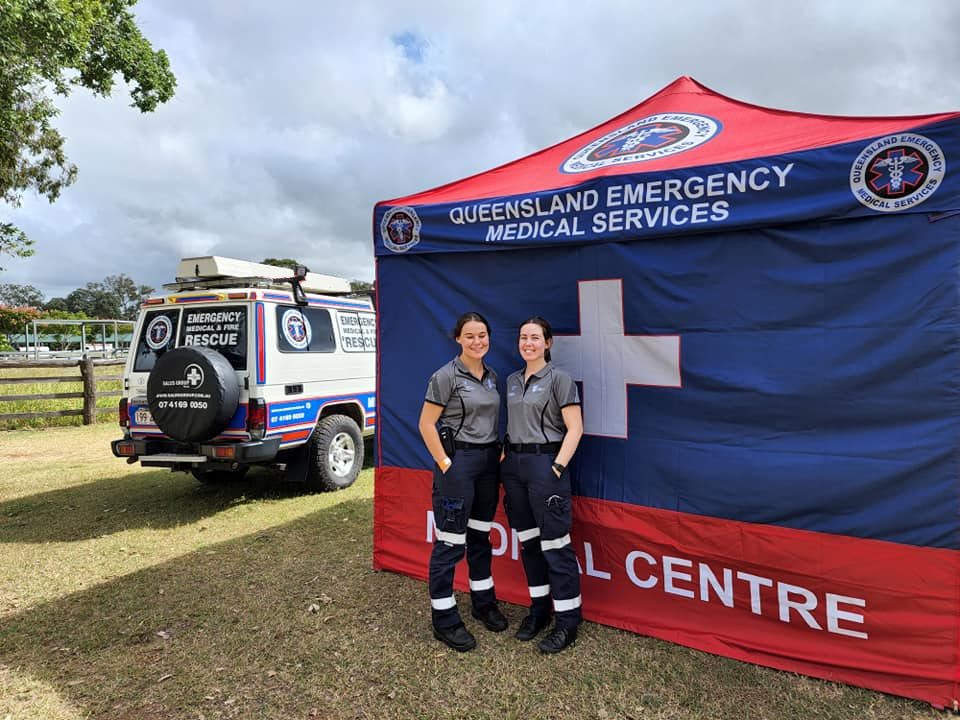
Course Structure
What you’ll learn
The HLT51020 Diploma of Emergency Health Care provides the comprehensive training needed to deliver advanced life support in various emergency healthcare settings. Throughout the course, you’ll gain the skills and knowledge to respond to a wide range of emergency situations, from assessing and triaging patients to performing medical procedures like intravenous cannulation and ECG interpretation. You’ll also learn essential communication techniques for interacting with patients of all ages and backgrounds, while developing the resilience needed to manage stress in high-pressure situations.
This course covers a variety of critical skills required for a career in emergency healthcare, including:
- Using medical equipment and terminology like a healthcare professional
- Safely assessing and triaging patients to determine appropriate treatments
- Providing emergency healthcare management of a variety of conditions, including; cardiac arrest, asthma, anaphylaxis, chest pain, trauma, burns, overdose, seizures, stroke, pain relief, and more
- Transporting patients and managing on-road care
- Confidently caring for patients experiencing mental health conditions
- Responding to car accidents, mass casualty events, and disaster scenarios
- Communicating effectively with colleagues, other healthcare professionals, and patients from diverse backgrounds
- Meeting legislative requirements, including for patient care reporting
- Maintaining personal and team wellbeing, managing stress, and supporting colleagues
Units of study
To achieve the HLT51020 Diploma of Emergency Health Care, you’ll need to complete the following 17 units
-
- BSBMED301 Interpret and Apply Medical Terminology Appropriately
- HLTINF006 Apply basic principles and practices of infection prevention and control
- HLTAAP002 Confirm Physical Health Status
- HLTOUT010 Communicate in Complex Situations to Support Healthcare
- HLTOUT007 Transport Non-emergency Patients Under Operational Conditions
- HLTWHS002 Follow Safe Work Practices for Direct Client Care
- HLTOUT008 Manage a Scene
- HLTOUT004 Assess and Deliver Basic Clinical Care
- HLTOUT001 Implement Safe Access and Egress
- CHCCCS020 Respond Effectively to Behaviours of Concern
- CHCPRP003 Reflect On and Improve Own Professional Practice
- BSBLDR301 Support Effective Workplace elationships
- CHCLEG001 Work Legally and Ethically
- CHCDIV001 Work with Diverse People
- HLTWHS006 Manage Personal Stressors in the Work Environment
- HLTOUT005 Assess and Deliver Standard Clinical Care
- HLTOUT009 Manage the Scene of a Major Incident
How you’ll learn
We provide an award-winning online learning experience that adapts to your lifestyle. In 2024, we were proud to receive the Training Excellence Award, at the Australian Business Awards for our course design, which underscores the quality and relevance of our training.

With our flexible online platform, you can complete your units and assessments anytime, anywhere, giving you the freedom to study at your own pace. The platform is designed to engage you through dynamic content and interactive modules, providing a strong theoretical foundation in emergency healthcare. Whether you’re at home, on the go, or balancing work and study, our online system allows you to learn wherever it’s most convenient for you.
Our online learning is paired with expert support and resources to help you succeed. You’ll have everything you need to complete your coursework and prepare for the hands-on elements of the program, like workshops and clinical placements.
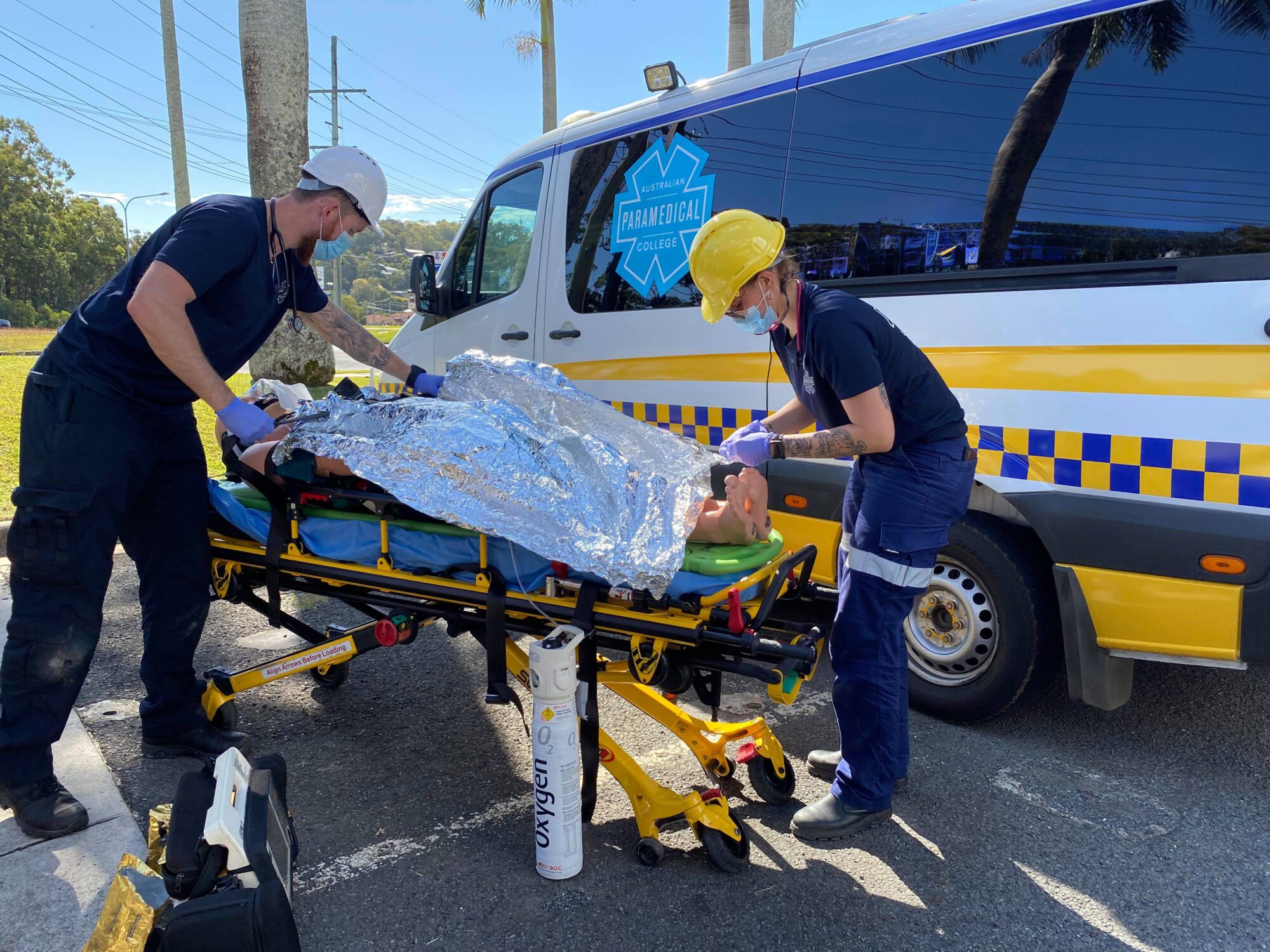
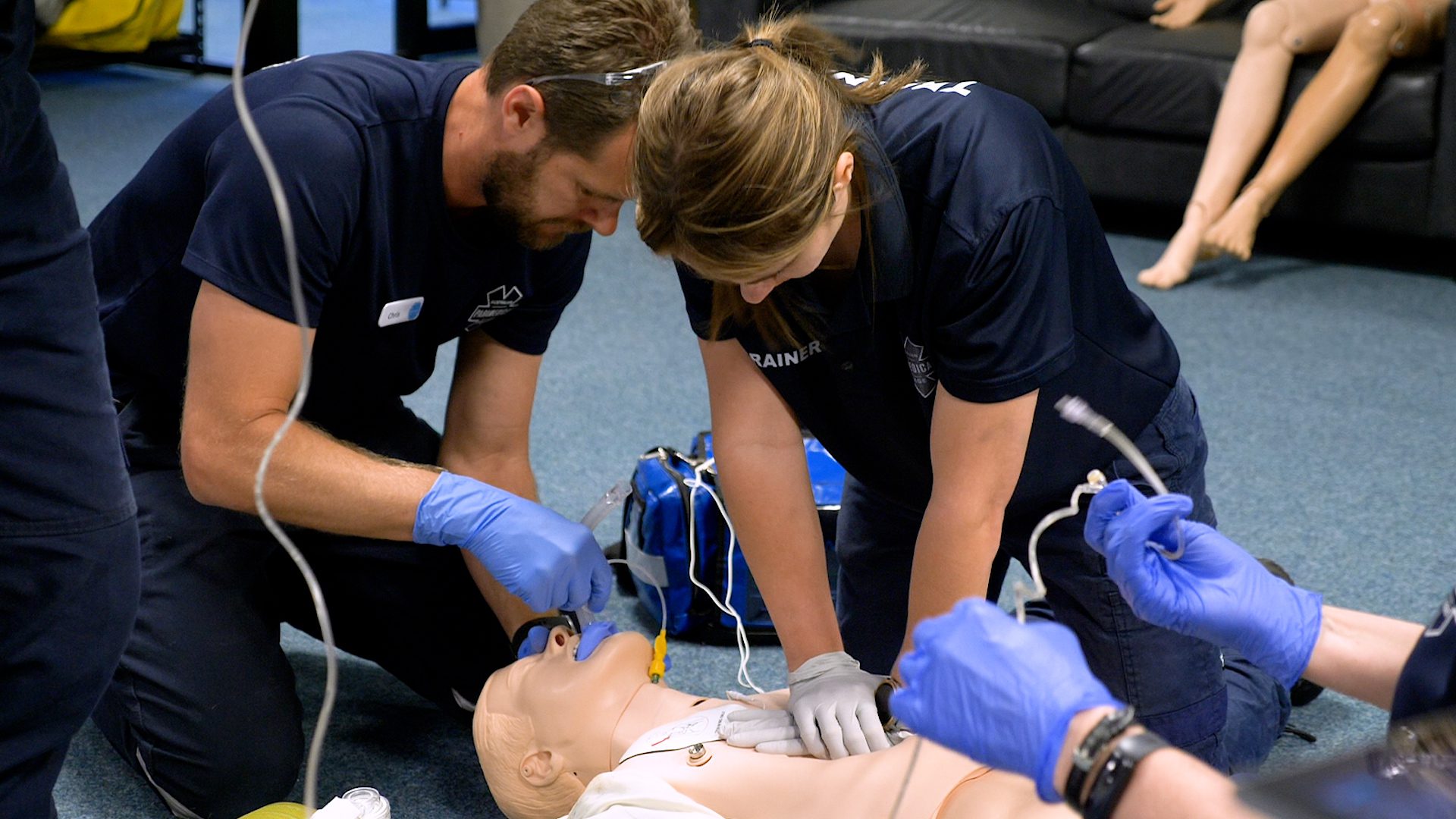
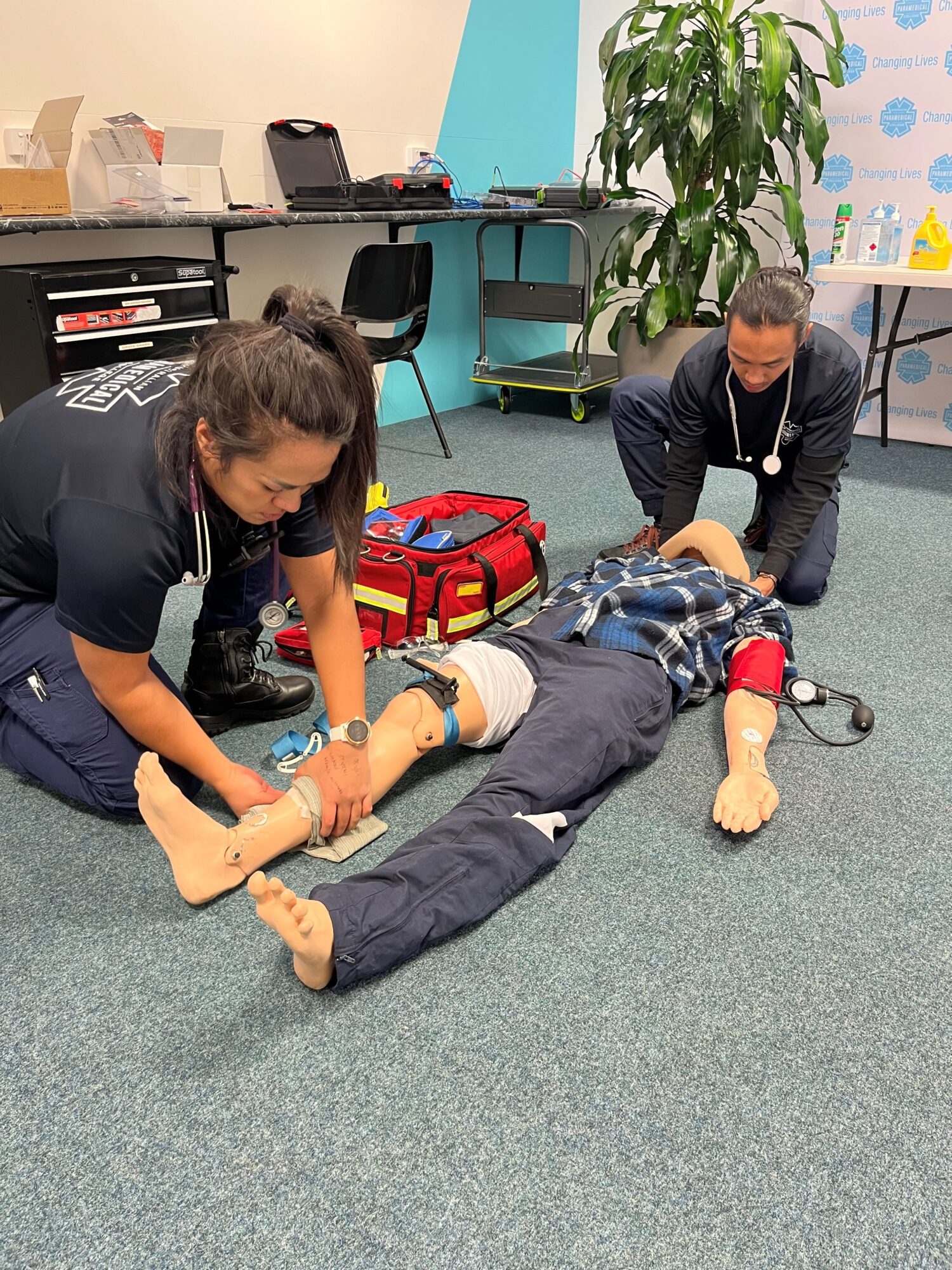
Clinical Workshops are a key component of the course, giving you the chance to apply what you’ve learned online in a hands-on environment. These workshops are held in cutting-edge facilities across New South Wales, Victoria, Queensland, and Western Australia. Here, you’ll practice real-world skills and gain vital experience in emergency healthcare scenarios. The 2 separate 5-day workshops will give you the opportunity to refine both your theoretical and practical knowledge. Our students often find this the most exciting and valuable aspects of the course.
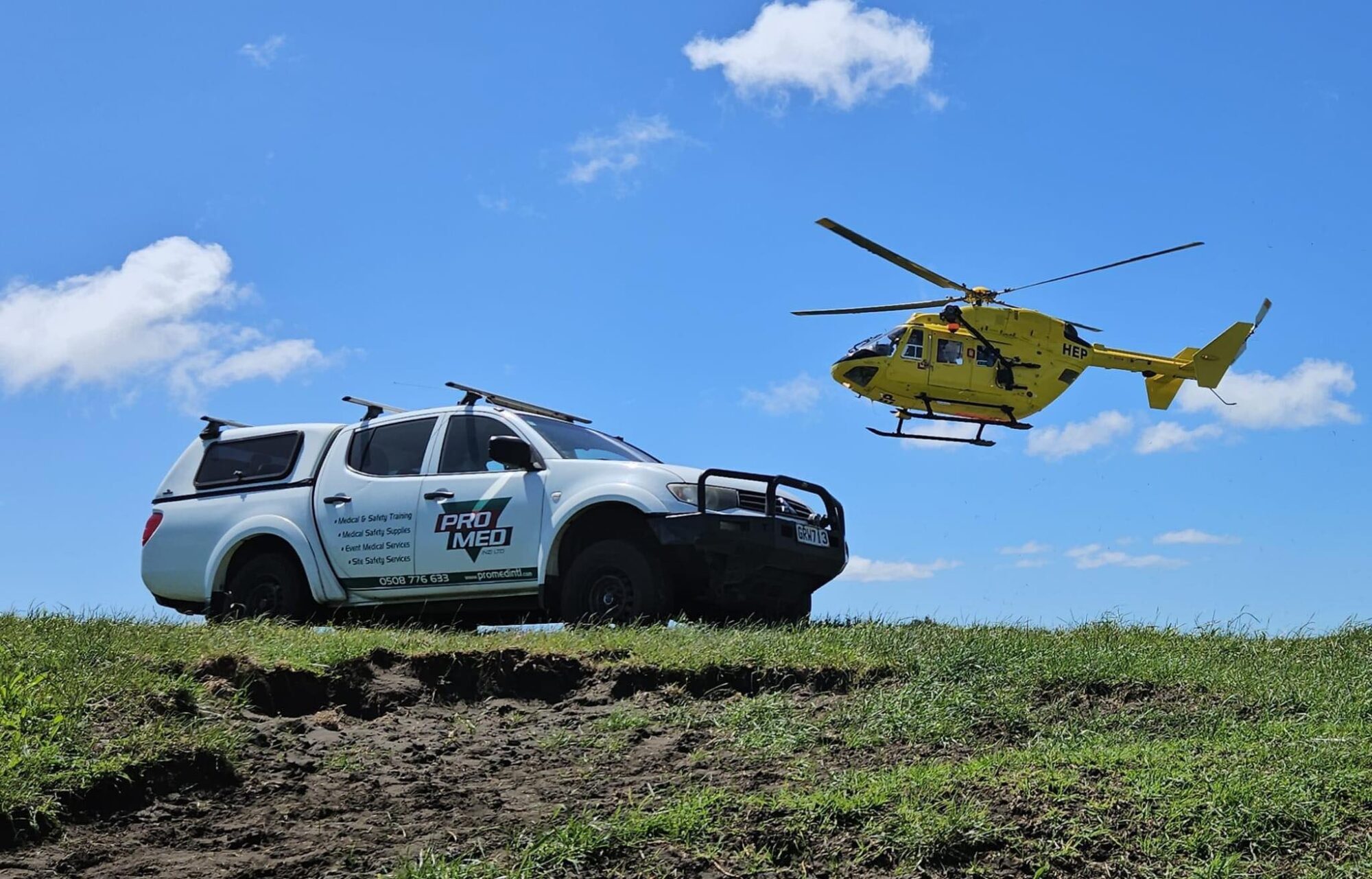
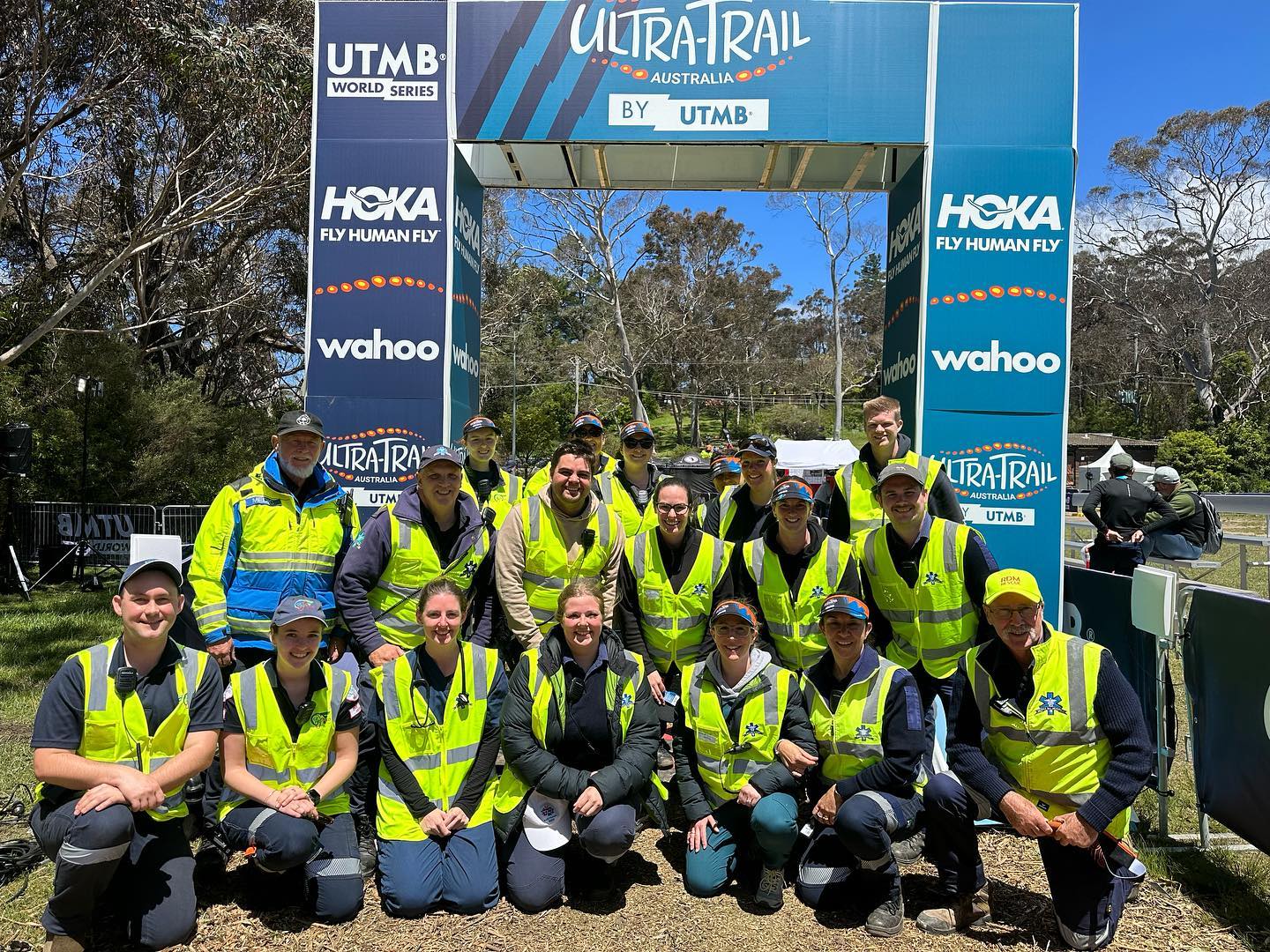
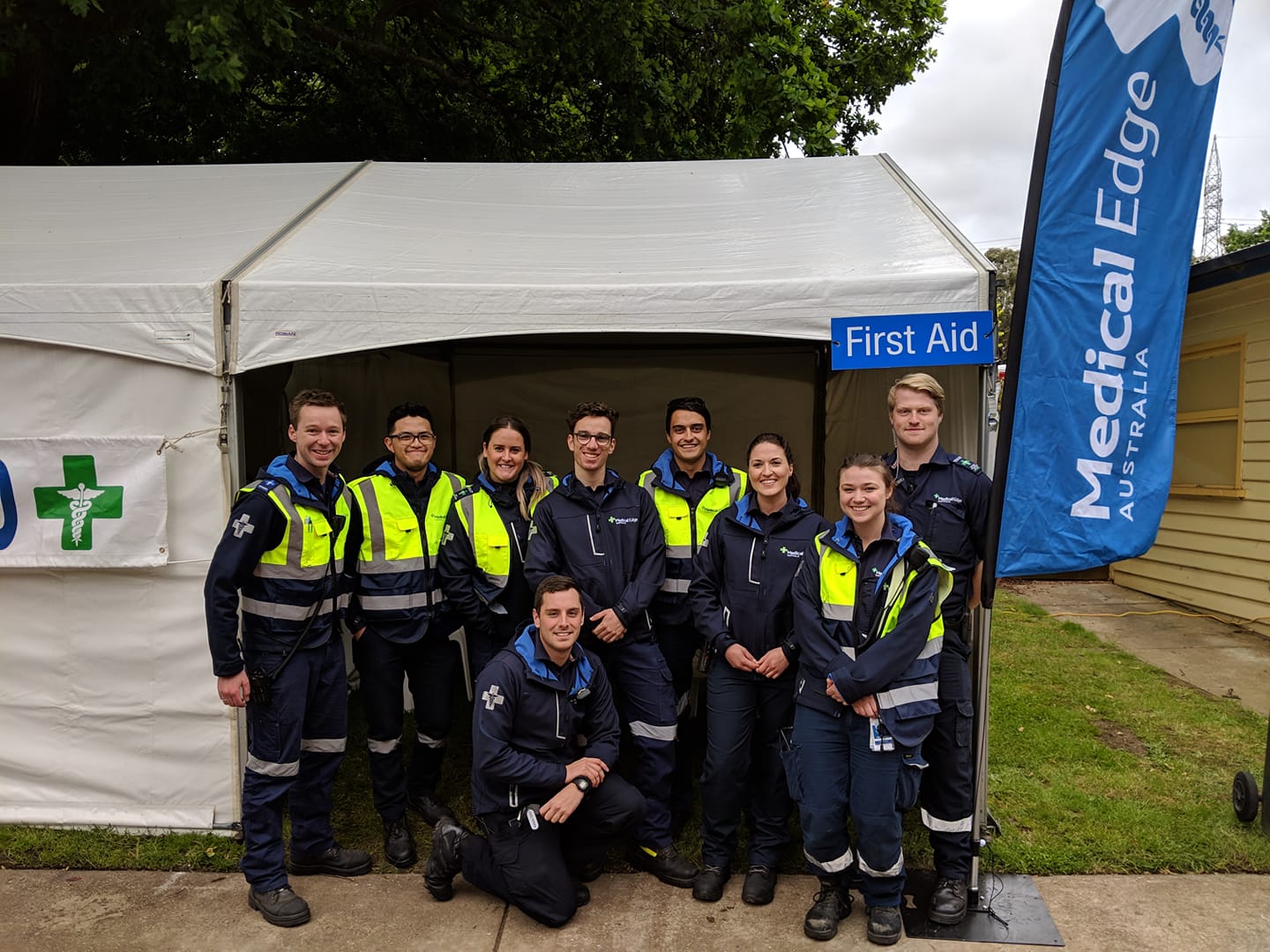
As part of your training, you’ll complete 160 hours of Clinical Placement, where you’ll gain practical, on-the-job experience in real-world emergency and pre-hospital settings. You’ll have the chance to work alongside industry professionals at events like music festivals, sporting events, or even remote mine sites, and apply your learning in high-pressure situations.
APC offers you the flexibility to tailor your clinical placement to your career interests and goals, with over 20 industry partners offering placements across Australia and New Zealand. Not only will this provide hands-on experience, but many students also receive job offers during their placement, as employers often use this time to evaluate potential candidates.
Your clinical placements will help you transition from theory to practice, preparing you for your career in emergency healthcare.
Please note that some organisations may charge students a fee for their placement. These fees are not covered by APC and will be at the student’s own cost.
HLT51020 Diploma of Emergency Health Care Entry Requirements
To be admitted to this course, you must meet specific eligibility requirements. When reviewing your application, we consider these factors to ensure you are prepared for both the academic and practical components of the course.
- Age: Applicants must be at least 16 years old (parental consent is required for applicants under 18).
- Education & Experience: No prior experience of qualifications required.
- Residency: Applicants must be an Australian or New Zealand citizen, an Australian Permanent Resident, or hold an approved temporary visa.
- Driver’s License: A current driver’s license is required. Learner’s licenses are acceptable for enrolment, but a provisional (P) license is required before attending your Clinical Workshop.
- Technology: Applicants must have regular access to a computer and internet, and be comfortable with online study.
- Language, Literacy, and Numeracy: A short quiz will assess basic English and math skills to ensure students are prepared for the course.
- Health: A medical declaration is required confirming that the student is fit to study and can perform the necessary physical tasks, including lifting up to 25kg, bending, twisting, and uninterrupted CPR for up to 15 minutes.
Clinical Workshops, prior to the time of booking:
- Students must complete all required theoretical components prior to booking their attendance at a clinical workshop.
- First Aid (HLTAID011) and CPR (HLTAID009) certification is mandatory for Australian students. New Zealand students must hold comprehensive First Aid certification (NZQA Standards 6402, 6401, 6400).
- Students are required to purchase black safety boots (usually around $40-50) and navy blue work pants (usually around $20-30) for their clinical workshop and placement. Students will be provided with an APC tee–shirt, and may purchase additional tee-shirts (optional).
Clinical Placement, prior to the time of placement:
- Additional requirements, such as police checks, working with children checks, and proof of vaccinations, may be required by placement providers.
- Students are responsible for any costs related to these requirements and must ensure they meet the placement provider’s criteria.
Credit Transfer & RPL
Both CT and RPL are available and could reduce the number of units you would be required to complete. Speak to an APC course advisor today to determine your eligibility and find out how we can help you accelerate your studies.
Credit Transfer is available to students who have previously completed units of study that are equivalent to those in the HLT51020 Diploma of Emergency Health Care. Successful CT applications can reduce your course fees and may shorten the duration of your studies by giving you credit for units you have already completed.
RPL is available for students who have gained skills and knowledge through work experience or informal training. After you’ve enrolled in the course, an RPL application can be submitted to assess whether your prior learning aligns with the course competencies. While RPL may reduce the number of units you need to complete, it does not affect the price of your course. Our team will guide you through the process to ensure that your experience is accurately recognised and assessed.
Funding Options
If you haven’t connected with an APC Course Advisor yet to discuss course fees, we would recommend you to do so to ensure you know the best payment options to invest in your future. In the meantime, explore our course funding options listed below.
Many students choose to pay for their course upfront as it allows for stress-free finances while working towards a new career or upskilling in the workplace. By paying upfront, you can focus entirely on your education without any ongoing financial obligations.
If you’re unsure how to finance your studies, APC’s payment plans are a popular and easy-to-apply option.
When you speak with your APC Course Advisor, they’ll walk you through the available options and help you customise a plan fit to your needs. Whether you prefer weekly or fortnightly payments or want flexibility in the repayment duration, we can tailor the schedule to suit your financial situation. Plus, you have the option to make bulk payments if you wish to pay off your course sooner.
Jobs You Can Get with a Diploma of Emergency Health Care
From APC student to employed emergency responder
Graduates of this course will be well-placed to take on various professional roles across Australia and New Zealand in the pre-hospital healthcare industry including:
- First Responder
- Event Medic
- Ambulance Transport Attendant (ATA)
- Patient Transport Officer (PTO)
- Emergency Medical Technician (EMT)
- Medical Emergency Services Officer (MESO/ESO)
Many of our graduates work with some of the biggest employers in the industry, many of whom are also our Industry Partners. This provides opportunities for direct employment, with students often receiving job offers during or after their Clinical Placement.
Additionally, many students choose to work part-time or casually in the industry while pursuing further study at university to become a paramedic. This allows them to gain valuable real-world experience while continuing their education, setting them up for a successful and rewarding career in the healthcare field.
Partnered with Industry for Real Career Outcomes
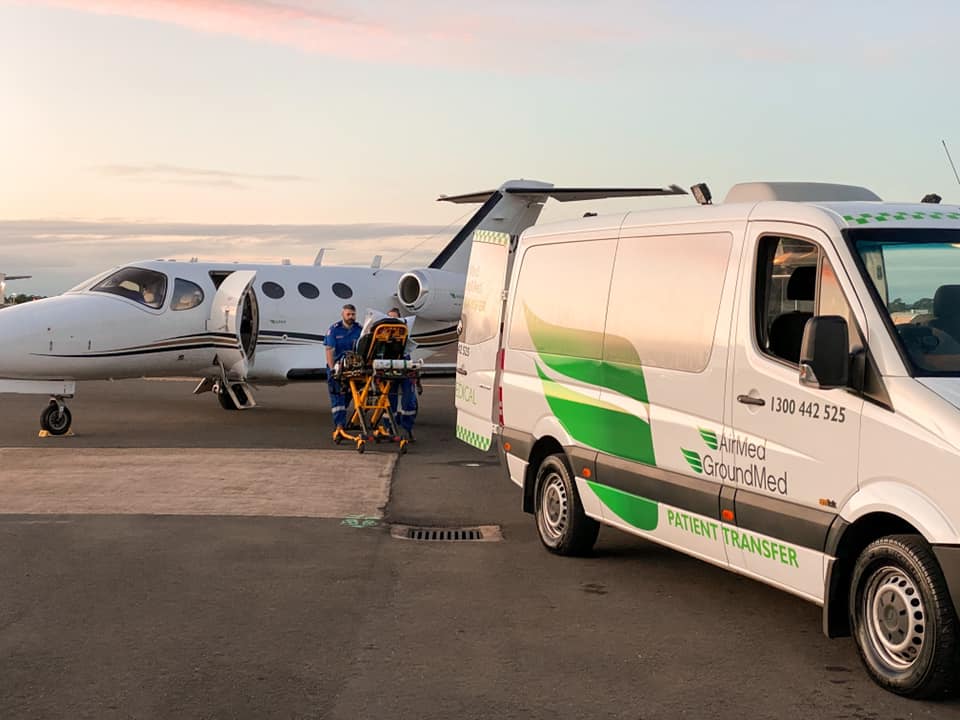
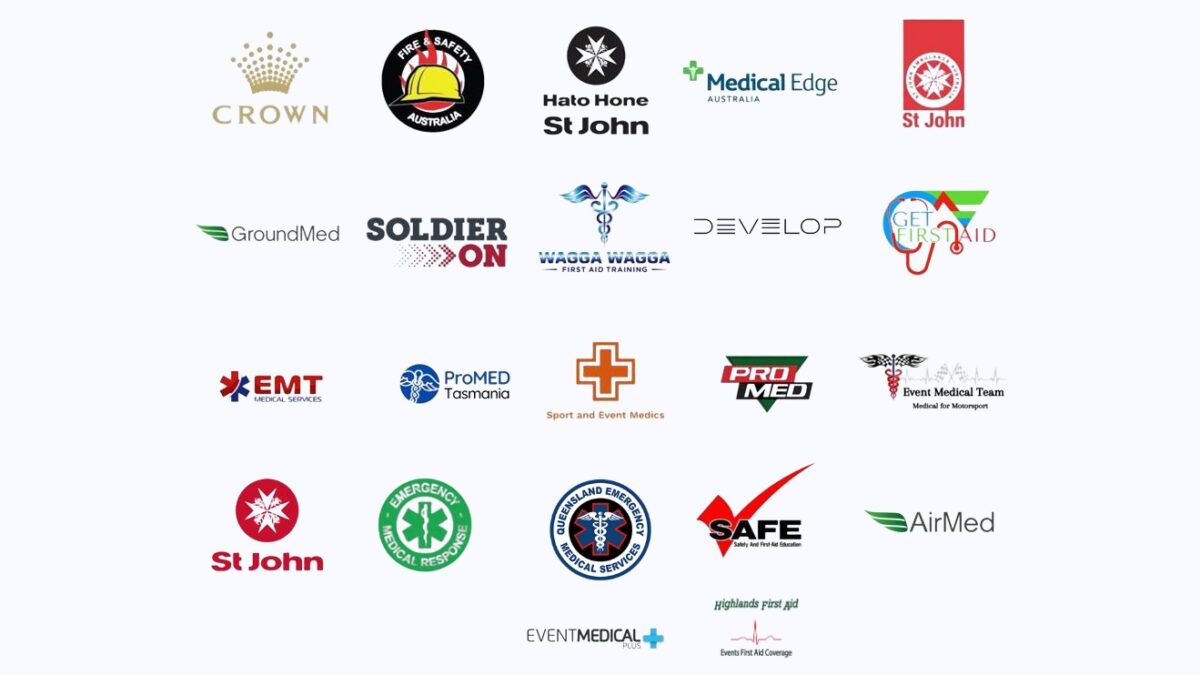
We’re proud to partner with over 20 established organisations across Australia and Aotearoa New Zealand, including St John, AirMed & GroundMed, Fire & Safety Aus, Medical Edge and many more, creating employment opportunities for our students and graduates. Learn more here.
University Pathways
From Diploma to Bachelor of Paramedic Science
The HLT51020 Diploma of Emergency Health care is an excellent stepping stone for students who aspire to become registered paramedics. Studying with Australian Paramedical College not only provides you with a nationally recognised qualification but also prepares you for university entry.
You can progress to a Bachelor of Paramedic Science degree through two main pathways:
- Direct Entry – You can apply directly to university for a 3-year full-time or part-time study option to become a registered paramedic.
- Diploma Pathway – Gain a Vocation Education & Training (VET) qualification through APC, and then transition into university with a solid foundation of knowledge and practical experience.
Several universities have a VET entry pathway, meaning you can gain university entry with a Diploma-level qualification. Many of our graduates have even received credits towards their degree, shortening their study time.
Student Stories
Hear directly from our students as they share their journeys, experiences, and the impact APC had on their healthcare careers. See many more student story videos here.
Shannon, APC graduate
Shannon gained employment as a PTO with AirMed and was accepted into University via the Diploma pathway at CSU.
Rob, APC graduate
Rob is an Emergency Services Officer (ESO) in the mining industry, who studied with APC to gain skills and provide a higher level of clinical care.
Tamara, APC graduate
Tamara swapped teaching for emergency healthcare, earning her qualification with APC and starting work as an Emergency Services Technician (EMT).
Chris, APC graduate
Chris chose the Diploma pathway as a stepping stone to the Bachelor of Paramedicine. He enjoyed the flexibility and support APC provided for him.
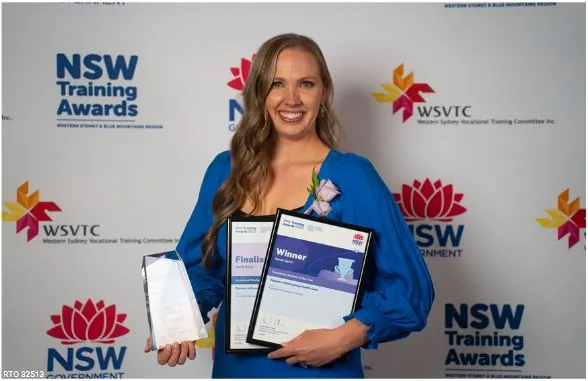
I’ve re-learnt how to learn, solidified my practical skillsets during Clinical Workshops before gaining invaluable experiences on Clinical Placement. All this led to the commencement of my career with NSW Ambulance as an on-road Trainee Paramedic just one week after my graduation.
Sarah Sgroi, APC graduate

Download the course overview
Complete the form below to receive a comprehensive course overview
By downloading the course guide, you agree to our Privacy Policy. You can opt-out at any time.
Trusted by Students and Industry Leaders
Thousands of students have chosen APC to launch their careers in emergency healthcare. We’re also trusted by major employers across Australia and New Zealand—many of whom hire directly from our graduate pool. Read what our students have to say on Google and Trustpilot.
Frequently Asked Questions
The HLT51020 Diploma of Emergency Health Care is a nationally recognised qualification designed for people wanting to develop knowledge and practical skills in pre-hospital emergency healthcare.
The course combines theoretical learning with practical training and supervised clinical placement to prepare graduates for a range of emergency healthcare and patient-focused roles, while also providing a strong foundation for further education and career development.
Yes. Australian Paramedical College (APC) is a Registered Training Organisation (RTO 32513), and the HLT51020 Diploma of Emergency Health Care is a nationally recognised qualification delivered under the Australian Qualifications Framework (AQF).
Upon successful completion, your qualification is formally issued by APC and recorded through your Unique Student Identifier (USI) transcript as an official record of your Australian Vocational Education and Training (VET) achievement.
Graduates use the Diploma to pursue opportunities across emergency healthcare and related industries, depending on employer requirements, experience, and location.
Many graduates pursue opportunities in patient transport, industrial and remote healthcare, event medical services, emergency response, defence support, community healthcare, and other patient-facing healthcare roles.
The Diploma also provides a strong foundation for those wishing to continue into further study or expand their healthcare opportunities.
No. The title of “Paramedic” is a protected professional title in Australia. Since 2018, to become a registered Paramedic in Australia, you must meet the registration requirements set by the Australian Health Practitioner Regulation Agency (AHPRA), which generally includes completing an approved bachelor degree in paramedicine.
Many students choose the Diploma as a pathway towards university because it helps develop relevant emergency healthcare knowledge, practical skills, and clinical experience. Some universities also consider vocational qualifications for entry or credit; however, admission and credit arrangements vary between institutions.
The HLT51020 Diploma of Emergency Health Care and a Bachelor of Paramedicine are different qualifications that can complement each other throughout your healthcare career.
The Diploma of Emergency Health Care is a nationally recognised vocational qualification that typically takes 1–2 years to complete. It combines practical training, clinical placement, and industry-focused learning to prepare graduates for a range of roles across emergency healthcare and related industries.
A Bachelor of Paramedicine is a university degree that typically takes 3 years of full-time study and is designed to meet the educational requirements for registration as a Paramedic with the Australian Health Practitioner Regulation Agency (AHPRA).
Many students choose to complete the Diploma first because it allows them to gain a nationally recognised qualification, develop practical clinical skills, and enter the healthcare workforce sooner. This means they can begin building valuable industry experience and, in many cases, continue working in healthcare while completing a Bachelor of Paramedicine.
The Diploma can also be a more accessible and cost-effective first step. It generally takes less time to complete than a bachelor degree, and university can cost significantly more, with total tuition fees often substaintially higher than a Diploma depending on the institution, funding arrangements, and student eligibility.
For students who later decide to pursue university, some institutions may consider vocational qualifications for admission or offer credit towards a bachelor degree. Entry requirements, tuition fees, and credit arrangements vary between universities.
No. An ATAR is not required to enrol in the Diploma of Emergency Healthcare.
The course is suitable for students from a range of backgrounds, including school leavers, career changers, and people already working in healthcare who are looking to expand their skills.
Applicants must meet the course entry requirements, and our Course Advisors can help determine whether the Diploma is the right pathway for your goals.
Yes. Clinical placement is an important component of the Diploma of Emergency Health Care and allows students to apply their learning in real healthcare environments under appropriate supervision.
APC works with a network of placement providers across Australia and New Zealand to help facilitate placement opportunities.
Placement experiences vary depending on the host organisation and location. Many of APC’s preferred placement partners offer placement at no additional cost, although some providers may charge a placement fee.
Students in regional or remote areas may need to travel to complete placement.
At Australian Paramedical College, you learn from experienced emergency healthcare professionals who understand what it takes to work in real emergency healthcare environments.
Many of our trainers are registered Paramedics with extensive frontline experience across ambulance services, emergency response, patient care, and pre-hospital healthcare. Their practical experience allows them to bring real-world insights, scenarios, and industry knowledge into the classroom.
Some of our trainers began their own healthcare journey as APC students before progressing into further study, becoming registered Paramedics, and building careers across the emergency healthcare industry.
Our trainers are located across our campuses in New South Wales, Victoria, Queensland, and Western Australia, allowing students to learn from educators with strong connections to the local healthcare environments they are preparing to enter.
Beyond delivering the qualification requirements, our trainers are passionate about helping students develop the confidence, skills, and professional mindset needed for success in emergency healthcare.
The Diploma combines flexible online learning with practical training and clinical placement.
Students complete theory through APC’s online learning platform, while also attending two 5-day intensive clinical workshops and completing 160 hours of supervised clinical placement.
This flexible delivery model allows many students to balance study with work, family, and other commitments while gaining valuable hands-on experience.
The time required to complete the Diploma depends on your study pace, individual circumstances, and any Credit Transfer (CT) or Recognition of Prior Learning (RPL). The maximum duration to complete the course is 24 months, although most students aim to complete within 12-24 months.
Our Course Advisors can explain the expected study duration, practical training requirements, and recommend study workload based on your situation.
Yes. The Diploma is designed with flexibility in mind, allowing many students to balance employment, family, and other commitments. The online learning structure combined with scheduled practical workshops and placement requirements allows students to plan their study around their existing lifestyle.
Choosing the right training provider is an important decision when starting or progressing your emergency healthcare career.
Since 2011, Australian Paramedical College (APC) has specialised in pre-hospital and emergency healthcare education, helping thousands of students develop the knowledge, practical skills, and confidence to pursue careers in the industry.
Unlike generalist training providers, APC focuses specifically on emergency healthcare pathways. Our Diploma of Emergency Health Care is delivered by experienced healthcare professionals, including registered Paramedics with frontline ambulance and pre-hospital healthcare experience.
Students benefit from a combination of flexible online learning, practical hands-on training, supervised clinical placement opportunities, and support from educators who understand the realities of working in emergency healthcare.
With campuses across Australia, strong industry connections, and a proven history of supporting students into healthcare careers, APC provides a specialist learning experience designed around the environments our graduates aspire to work in.
Ready to take the next step?
Apply using through our application form and one of our experienced Career Advisors will give you a call to discuss your pre-hospital healthcare course options and answer any questions you have.